
Asteroids Reveal the Building Blocks of Life: Unraveling the Cosmic Origins of DNA

New discoveries on asteroids provide insights into the cosmic origins of DNA and its raw materials, shedding light on how life's foundations may have reached Earth.
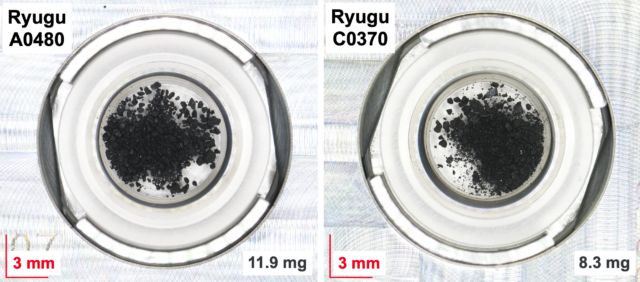
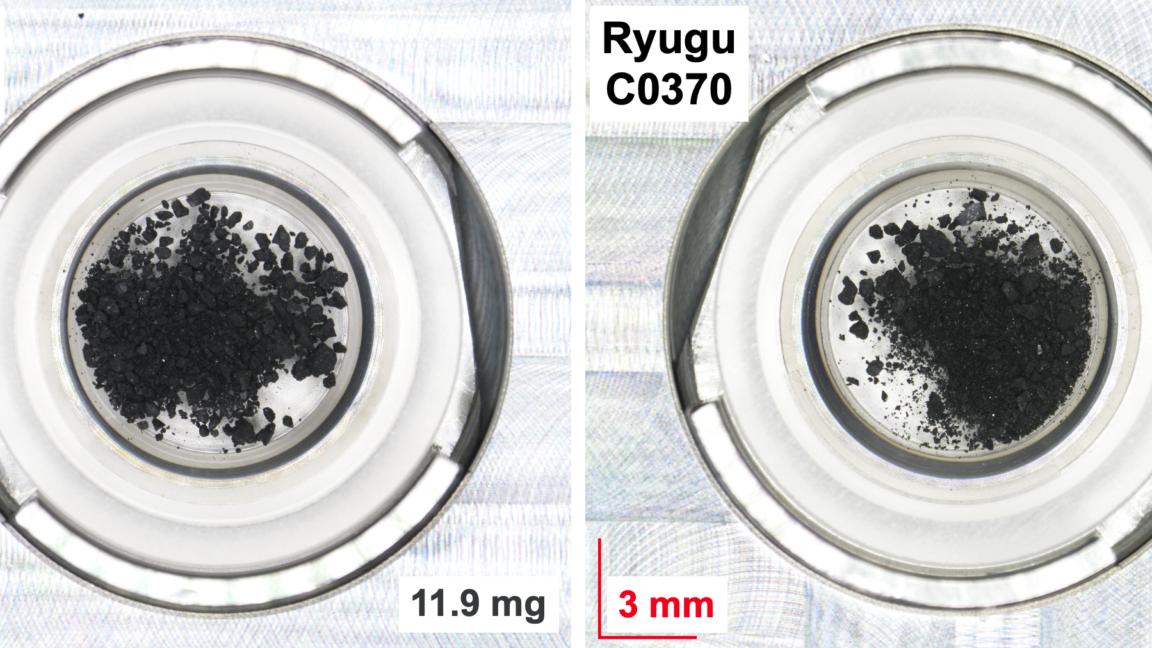
Asteroids have long been a source of fascination for scientists, and the latest discoveries on these celestial bodies are shedding new light on the origins of life. Recent studies have uncovered the presence of all four DNA bases on the asteroid Ryugu, confirming what earlier research had hinted at since 2011. These findings offer valuable clues about how the raw materials for life may have made their way to Earth, a critical piece of the puzzle in understanding our planet's biological history.
While the headlines have focused on the discovery itself, the new work is notable for providing additional context and solving a previous mystery. Earlier studies had failed to detect the DNA bases on Ryugu, despite their presence in many other asteroid samples. The latest research not only confirms the bases' existence but also sheds light on how they may have ended up there in the first place.
To understand the significance of this discovery, it's important to look at the structure of DNA and RNA, the two nucleic acids that are the foundation of life. Both share a similar backbone, consisting of a chain that alternates between sugars and phosphates, all chemically linked together. While the specific sugar differs between DNA and RNA, the backbone itself varies only in length; otherwise, the backbone of every DNA or RNA molecule is identical.
The four DNA bases – adenine, guanine, cytosine, and thymine – are the informational building blocks that are attached to this backbone, forming the familiar double-helix structure. The new research on Ryugu has now conclusively shown that all four of these bases are present on the asteroid, providing valuable clues about the cosmic origins of the raw materials for life.
Understanding how these bases ended up on Ryugu could be crucial for getting a better picture of how the foundations for life made their way to Earth in the first place. The new work suggests that the bases may have been delivered to the asteroid through a process known as aqueous alteration, where interactions with water-bearing minerals can help concentrate and preserve these crucial organic compounds.
This finding is particularly significant because it aligns with the growing body of evidence that asteroids and comets played a key role in seeding the early Earth with the building blocks of life. As these celestial bodies collided with our planet, they may have brought not just the DNA bases, but also other essential organic compounds necessary for the emergence of life.

The continued exploration and analysis of asteroid samples will be crucial for further unraveling the cosmic origins of life's foundations. By studying the chemical composition and formation processes of these ancient objects, scientists can piece together a more complete picture of how the essential ingredients for life were distributed throughout the early solar system, and how they ultimately found their way to Earth.
As the headlines have shown, the discovery of DNA bases on Ryugu is a significant development in our understanding of the origins of life. But the real value of this research lies in the additional context and clues it provides, helping to solve long-standing mysteries and paving the way for further insights into the cosmic journey of the raw materials that gave rise to the life we know today.
Source: Ars Technica


