
Australia Braces for Drier, Hotter Winter Amid El Niño

Australia's southeast faces below-average rainfall and higher temperatures this winter as the Bureau of Meteorology forecasts potential El Niño conditions developing across the Pacific Ocean.
Large sections of south-east Australia are preparing for a significant shift in weather patterns over the coming three months, as meteorological experts warn of drier and hotter conditions expected to dominate the region. The Bureau of Meteorology has issued forecasts indicating that a potential El Niño weather phenomenon is developing across the Pacific Ocean, which could have profound implications for rainfall distribution and temperature patterns throughout the Australian continent.
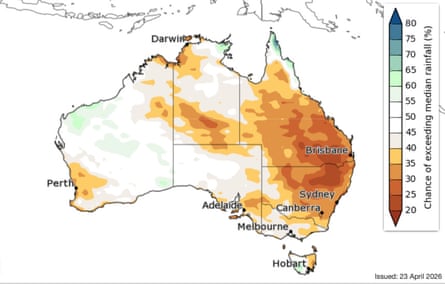
Queensland and New South Wales are particularly affected by these projections, with both states forecast to experience lower than usual rainfall during the winter months of May, June, and July. This reduction in precipitation comes at a time when many farmers and agricultural communities depend on consistent rainfall to maintain productivity and water reserves heading into the drier months ahead.
According to the most recent meteorological analyses, almost the entire country is likely to experience hotter than average maximum temperatures during this period, breaking the traditional expectation of cooler winter weather. This warming trend represents a notable departure from historical winter patterns and underscores the significant influence that El Niño conditions can exert on Australia's climate and weather systems.

The El Niño phenomenon is a complex oceanic and atmospheric interaction that occurs irregularly across the Pacific Ocean, typically bringing warmer waters to the eastern Pacific and influencing global weather patterns. When El Niño conditions develop, they can fundamentally alter precipitation and temperature distributions across vast geographic regions, including Australia. The warming of Pacific waters disrupts normal wind patterns and ocean circulation systems, creating cascading effects on weather systems thousands of kilometers away.
For Queensland specifically, the forecast suggests that residents and agricultural sectors should prepare for extended dry periods throughout the winter season. Farmers may need to adjust irrigation schedules and water management strategies to accommodate the anticipated reduction in rainfall. Similarly, water authorities across the state are likely reviewing their management protocols and ensuring adequate water storage for the potentially drier months ahead.
New South Wales faces comparable challenges, with rainfall projections indicating amounts significantly below the long-term seasonal averages. The combination of reduced rainfall and elevated temperatures could create conditions conducive to increased water stress across the state, particularly in agricultural regions that depend on consistent precipitation for crop production and livestock watering.
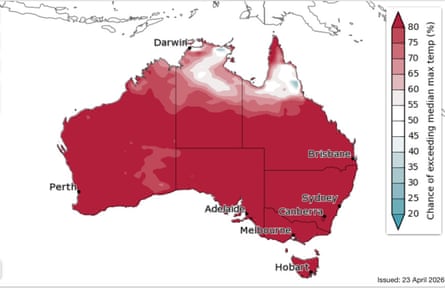
The warming trend predicted across most of Australia during this winter period is particularly noteworthy given the season's historical association with cooler conditions. Higher than average maximum temperatures during May, June, and July could lead to increased energy consumption for cooling, accelerated evaporation from water bodies and soil, and potential impacts on ecosystems adapted to traditional winter temperature ranges. This shift also has implications for plant growth cycles and the broader agricultural calendar.
The Bureau of Meteorology's forecast is based on sophisticated atmospheric modeling and monitoring of oceanic conditions in the Pacific region. Meteorologists continuously track sea surface temperatures, wind patterns, and atmospheric pressure systems to identify emerging El Niño signatures. When these indicators suggest conditions favorable for El Niño development, forecasters issue guidance to help government agencies, agricultural sectors, and businesses prepare for the anticipated weather changes.
Environmental scientists emphasize that while individual weather forecasts for specific regions can sometimes shift, the broader patterns indicated by oceanic monitoring systems provide valuable insight into likely seasonal trends. This advance warning allows communities and organizations to take proactive measures rather than reacting to conditions as they develop. Water managers can adjust reservoir releases, farmers can modify planting and irrigation strategies, and emergency management agencies can prepare for potential drought-related challenges.
The potential development of El Niño conditions during the Australian winter season also carries implications for tourism, energy production, and broader economic activity. Reduced water availability can impact hydroelectric power generation in regions where dams supply electricity. The warmer temperatures and drier conditions may affect the availability of seasonal tourism attractions and outdoor recreation opportunities that depend on specific weather conditions.
Climate experts note that while El Niño represents one significant influence on Australia's weather patterns, it operates alongside other climate factors including the Indian Ocean Dipole, the Southern Annular Mode, and longer-term climate change trends. Understanding how these various systems interact helps meteorologists develop more accurate and nuanced forecasts. The current forecast reflects the anticipated combined influence of these multiple climate drivers.
For communities across the southeast, these forecasts serve as a reminder of the importance of climate preparedness and resilience planning. Water conservation measures, drought-resistant agricultural practices, and robust emergency management protocols become increasingly important when extended dry periods are anticipated. Businesses and households can use this advance notice to implement efficiency measures and prepare for potentially challenging conditions.
The accuracy of seasonal forecasts continues to improve as meteorological agencies invest in enhanced monitoring systems and computational modeling capabilities. However, weather remains inherently variable, and actual conditions may differ from forecasts. Nonetheless, the directional guidance provided by these forecasts—indicating drier and warmer conditions ahead—gives communities valuable time to implement preparedness measures and adjust operational strategies accordingly.
Source: The Guardian


