
Australia Mourns: Vigils Planned for Slain 5-Year-Old

Communities across Australia gather to honor Kumanjayi Little Baby, found dead after disappearing from Alice Springs Aboriginal town camp. Vigils planned nationwide.
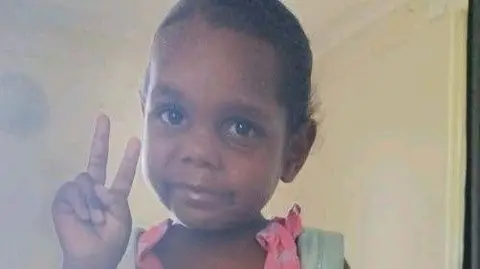
Vigils are being organized across Australia to commemorate the tragic death of five-year-old Kumanjayi Little Baby, whose body was discovered following her mysterious disappearance from an Aboriginal town camp in Alice Springs. The heartbreaking incident has sent shockwaves through communities nationwide, prompting an outpouring of grief and solidarity from people across the country who are determined to honor her memory and demand justice.
The young girl vanished from the town camp in Alice Springs, located in the heart of Australia's Northern Territory. Her disappearance sparked urgent search efforts involving local authorities, community members, and volunteers who worked tirelessly to locate the missing child. The discovery of her body has left the community devastated and raises serious questions about the safety and protection of vulnerable children in remote Aboriginal communities.
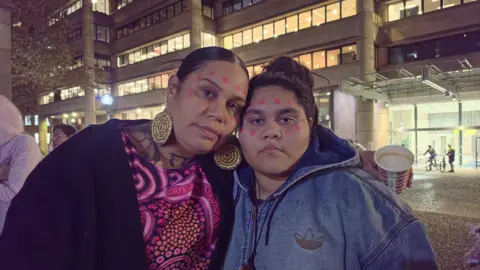
Aboriginal communities throughout Australia are responding to this tragedy by organizing candlelit vigils and memorial gatherings. These events serve as powerful expressions of collective mourning and solidarity, bringing together people from diverse backgrounds who are united in their commitment to remembering Kumanjayi and demanding accountability. The vigils represent more than ceremonial tributes; they are calls for systemic change and improved child protection measures across remote and regional areas.
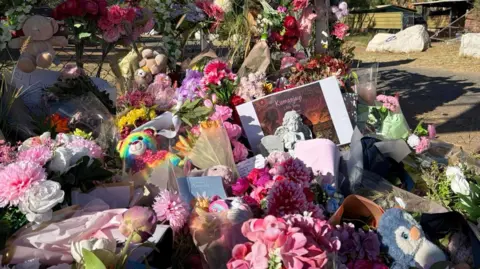
The death of this young child has ignited conversations about the broader challenges facing Indigenous communities in Australia, particularly regarding child safety, welfare services, and access to essential resources. Many advocates and community leaders are using this moment to highlight the systemic inequalities and inadequate support systems that have long plagued remote settlements. The tragedy underscores the urgent need for enhanced protection mechanisms and greater investment in child welfare infrastructure within these communities.
Local authorities have launched a comprehensive investigation into the circumstances surrounding Kumanjayi's death. Law enforcement agencies are working with community members and Indigenous leaders to gather information and ensure that all aspects of the case are thoroughly examined. The investigation's findings will be crucial in determining what occurred and whether any criminal charges will be pursued in connection with the incident.
The Alice Springs town camp where the child disappeared is home to many Aboriginal families living in challenging conditions. These settlements, often characterized by overcrowding, limited resources, and inadequate infrastructure, have been subject to ongoing scrutiny from child protection advocates and government agencies. The loss of Kumanjayi has renewed calls for improved living conditions, better access to healthcare and social services, and more robust child welfare monitoring in these vulnerable communities.
National organizations dedicated to protecting children's rights have responded to the tragedy by renewing their calls for comprehensive policy reforms. These groups are advocating for increased funding for early intervention programs, enhanced training for social workers, and better coordination between government agencies responsible for child protection. They emphasize that such preventable tragedies highlight the critical need for proactive investment in community welfare and child safety initiatives.
The vigils planned across Australia will provide opportunities for communities to gather, share their grief, and reflect on systemic failures that may have contributed to this loss. In major cities and regional centers, people from all walks of life are expected to participate in these memorial events, demonstrating widespread concern about child safety and Indigenous welfare. These gatherings will also serve as platforms for discussing solutions and mobilizing support for meaningful change.
Family members and friends of Kumanjayi Little Baby are receiving support from community organizations and mental health professionals as they grapple with this devastating loss. The emotional toll of losing a young child in such tragic circumstances is profound, and many in the community are struggling with shock, anger, and a sense of helplessness. Counseling services and support groups are being made available to help affected individuals navigate this traumatic event.
This tragedy has also sparked discussions about the effectiveness of current child protection protocols and the adequacy of resources allocated to monitoring vulnerable populations in remote areas. Critics argue that child welfare systems in Australia, particularly those serving Indigenous communities, are stretched thin and inadequately funded. They contend that more robust oversight mechanisms and increased community engagement are essential to prevent similar tragedies from occurring in the future.
The case has attracted significant media attention both within Australia and internationally, bringing global focus to the challenges facing Aboriginal communities. International human rights organizations have expressed concern about child safety in these settlements and are calling for improved accountability and transparency in how governments manage these critical welfare issues. The international scrutiny adds pressure on Australian authorities to demonstrate their commitment to protecting vulnerable children and addressing systemic inequalities.
As vigils take place across the nation, Kumanjayi Little Baby's legacy will serve as a catalyst for essential conversations about child protection, Indigenous rights, and community welfare. Her short life and tragic death have prompted reflection on what more must be done to ensure that every child, regardless of their circumstances or geographical location, has access to safety, protection, and opportunity. The nationwide mourning reflects a collective commitment to preventing such tragedies and creating a safer future for all of Australia's children.
Moving forward, advocates stress that these vigils must translate into concrete action and policy changes. The lessons learned from Kumanjayi's death should inform new approaches to child protection, community development, and Indigenous welfare. Community leaders, government officials, and child welfare experts are working together to ensure that her memory inspires meaningful reform and renewed dedication to safeguarding all vulnerable children in Australia.
Source: BBC News


