
Austrian Climber Convicted After Partner Dies on Mountain

Court finds Austrian mountaineer guilty following tragic death of girlfriend from hypothermia during winter climbing expedition on Grossglockner peak.
An Austrian mountaineer has been convicted by a court following the tragic death of his girlfriend, who succumbed to hypothermia during a climbing expedition on Austria's highest peak. The devastating incident occurred during a winter ascent of the Grossglockner mountain in January 2025, highlighting the extreme dangers faced by climbers attempting challenging routes in harsh winter conditions.
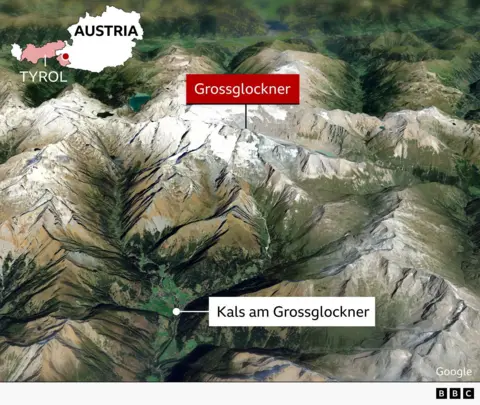
The woman's death from hypothermia on Grossglockner has sent shockwaves through Austria's mountaineering community, raising serious questions about safety protocols and the responsibilities climbers bear for their partners' welfare during high-altitude expeditions. The Grossglockner, standing at 3,798 meters, is notorious for its unpredictable weather patterns and treacherous conditions, particularly during the winter months when temperatures can plummet to life-threatening levels.
Court proceedings revealed disturbing details about the circumstances leading to the woman's death, with prosecutors arguing that the Austrian climber's negligence directly contributed to the fatal outcome. The case has drawn significant media attention across Austria and the broader Alpine climbing community, as it represents one of the most serious legal consequences ever imposed on a climber for a partner's death during a mountaineering expedition.
Mountain rescue experts testified during the trial about the extreme conditions present on Grossglockner during the January climbing attempt, describing winds exceeding 100 kilometers per hour and temperatures dropping below -30 degrees Celsius. These conditions, combined with poor visibility and unstable snow conditions, created a perfect storm of hazardous factors that ultimately proved fatal for the victim.

The guilty verdict marks a significant precedent in Austrian legal history, as courts have traditionally been reluctant to hold climbers criminally responsible for deaths that occur during voluntary mountaineering activities. Legal experts suggest this case could fundamentally change how climbing partnerships are viewed under Austrian law, potentially establishing new standards for duty of care in extreme mountain environments.
Witnesses who encountered the couple during their ascent described concerning signs that proper safety protocols were not being followed, including inadequate cold-weather gear and apparent disagreements between the partners about continuing the climb despite deteriorating conditions. These testimonies proved crucial in establishing the prosecution's case that the defendant's decisions directly endangered his girlfriend's life.
The victim's family, who have remained largely private throughout the legal proceedings, issued a statement expressing their hope that the conviction would prevent similar tragedies from occurring in the future. They emphasized that their daughter was an experienced climber who trusted her partner's judgment, making his alleged negligence all the more devastating.
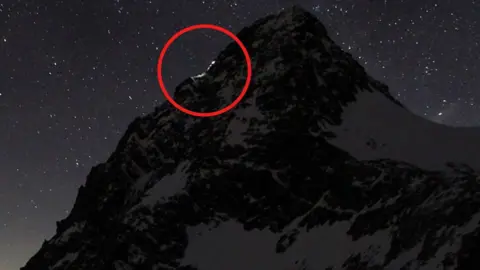
Emergency response teams who recovered the woman's body described the scene as particularly tragic, noting that she appeared to have survived for several hours in sub-zero temperatures before succumbing to severe hypothermia. Medical experts testified that prompt action and proper emergency procedures could have potentially saved her life, even under the extreme conditions present on the mountain.
The Austrian Alpine Club has announced plans to review their safety guidelines and training programs in response to this tragic incident. Club officials emphasize that winter climbing on peaks like Grossglockner requires exceptional preparation, experience, and most importantly, the ability to make life-or-death decisions under extreme pressure.
Professional mountain guides operating in the region have expressed mixed reactions to the court's decision, with some arguing that it could discourage climbers from attempting challenging routes, while others believe it sends a necessary message about personal responsibility in extreme environments. The debate reflects broader tensions within the mountaineering community about balancing individual freedom with safety obligations.
Meteorological data from the day of the incident revealed that weather conditions deteriorated much more rapidly than initially forecasted, creating a situation where the climbing pair found themselves trapped in life-threatening conditions with limited options for safe descent. However, prosecutors successfully argued that experienced climbers should have anticipated such possibilities and prepared accordingly.
The criminal conviction carries significant implications beyond the immediate legal consequences, as it establishes a new framework for evaluating negligence in mountaineering contexts. Legal scholars predict that similar cases may emerge as courts become more willing to scrutinize the decisions made by climbers when their choices affect others' safety.
Mountain safety organizations across Europe are closely monitoring the aftermath of this case, recognizing that it could influence how climbing accidents are investigated and prosecuted in other Alpine nations. The precedent set by the Austrian court may encourage more aggressive legal action in cases where climber negligence results in preventable deaths.
The tragic loss of life on Grossglockner serves as a stark reminder of the unforgiving nature of high-altitude mountaineering, where split-second decisions can mean the difference between life and death. As the mountaineering community grapples with the implications of this landmark legal case, the focus remains on preventing future tragedies while preserving the adventurous spirit that draws climbers to these magnificent but dangerous peaks.
Source: BBC News


