
Belfast Harbour Plans £1.3bn Investment Boost

Belfast Harbour Commissioners unveil massive £1.3bn investment plan to expand port facilities, boost offshore wind operations, and drive Northern Ireland's economic growth.
The operator of Belfast harbour has announced an ambitious £1.3 billion investment plan spanning the next 25 years, positioning the move as one of the most significant non-governmental capital injections in Northern Ireland's economic history. This substantial commitment reflects growing confidence in the region's economic trajectory and the strategic importance of the port as a crucial maritime hub for the island of Ireland.
The Belfast Harbour Commissioners have outlined a comprehensive development strategy that will fundamentally transform the port's capabilities and infrastructure. The investment will target multiple areas including the expansion of quay facilities, modernization of ferry terminal operations, and enhancement of cruise ship services. Additionally, the port has already made significant progress in upgrading its offshore wind facilities, positioning Belfast as a key player in renewable energy infrastructure development across the United Kingdom and Ireland.
Beyond the core port infrastructure upgrades, the Commissioners have signaled potential for substantial residential property developments that could generate an additional £750 million in complementary investment. These mixed-use developments would create vibrant waterfront communities while generating significant employment opportunities and tax revenues for local authorities. The broader economic multiplier effect of such developments could extend far beyond the immediate port operations, benefiting construction, hospitality, retail, and professional services sectors throughout Northern Ireland.
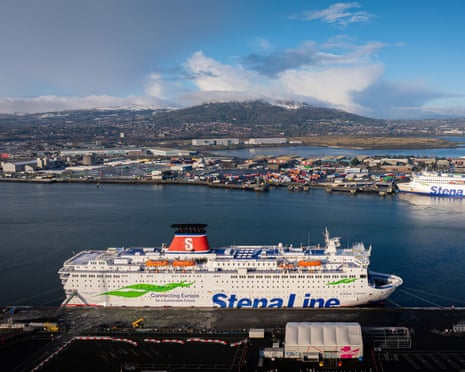
This Northern Ireland economic growth initiative comes at a pivotal moment for the region's development agenda. The port expansion project aligns with broader government initiatives to strengthen Northern Ireland's competitiveness as a gateway for international trade and investment. The enhanced ferry terminals will strengthen connections with Great Britain and continental Europe, while upgraded cruise ship facilities position Belfast to capture growing demand from the cruise tourism sector, which has experienced substantial growth across Northern European ports in recent years.
The offshore wind component of the investment strategy reflects Northern Ireland's strategic advantage in renewable energy development. The port's upgraded facilities will support the manufacturing, assembly, and maintenance of offshore wind turbines, tapping into the substantial growth in renewable energy infrastructure across the Irish Sea and beyond. This positions Belfast as a manufacturing and logistics hub for the clean energy transition, creating high-skilled employment opportunities and establishing the region as a leader in sustainable technology.
The scale of this investment demonstrates extraordinary confidence in Northern Ireland's long-term economic prospects and the central role maritime infrastructure plays in regional development. The Belfast Harbour Commissioners' commitment reflects recognition that port modernization is essential for competing in global trade networks and attracting foreign direct investment. As supply chains continue to evolve in the post-pandemic era, having modern, efficient port facilities becomes increasingly crucial for businesses considering location decisions.
The investment timeline of 25 years provides a realistic framework for phased development that can adapt to changing economic conditions, technological advances, and market demands. Rather than attempting to execute all improvements simultaneously, the staggered approach allows the port authority to optimize each phase based on emerging opportunities and evolving needs. This patient capital approach, combined with substantial financial commitment, signals long-term strategic thinking rather than short-term profit maximization.
The economic implications of this investment extend throughout Northern Ireland's broader economy. Construction projects associated with the port expansion will generate employment across skilled trades, engineering, and project management sectors. The modernized port facilities will attract shipping companies and logistics operators, creating permanent jobs in port operations, warehousing, and transportation services. Furthermore, the enhancement of cruise ship capabilities will drive growth in tourism-related services including hospitality, retail, and cultural attractions throughout Belfast and the surrounding region.
The Belfast Harbour Commissioners' strategic vision acknowledges that Northern Ireland's geographic location between Great Britain and the Republic of Ireland, combined with natural deep-water harbor advantages, positions the port uniquely for growth. As companies increasingly diversify supply chains away from traditional European ports and seek alternative logistics hubs, Belfast represents an attractive option for businesses seeking efficiency and strategic advantage. The improved facilities will enable the port to handle larger vessels and more complex cargo, expanding the range of industries and sectors that can utilize the port effectively.
The residential development component of the investment strategy deserves particular attention as it represents an innovative approach to port area regeneration. Rather than limiting investment to purely commercial maritime facilities, the integration of high-quality residential properties creates mixed-income communities in previously industrial areas. This urban regeneration model has proven successful in other port cities, transforming waterfront zones into vibrant neighborhoods that attract professionals, young families, and retirees seeking waterfront living.
Environmental sustainability has clearly influenced the investment strategy, with offshore wind facility upgrades indicating alignment with climate change mitigation objectives. The port's commitment to supporting renewable energy infrastructure demonstrates recognition that future economic success depends on environmental responsibility and carbon footprint reduction. This positions Belfast as a forward-thinking maritime hub that balances economic growth with environmental stewardship, an increasingly important consideration for investors and multinational corporations making location decisions.
The Belfast Harbour investment represents a powerful statement about confidence in Northern Ireland's economic future and the maritime sector's continuing importance in the global economy. As regional economies increasingly compete for investment capital and talented workforces, the commitment of £1.3 billion to port infrastructure sends a clear signal to business leaders, investors, and international companies that Northern Ireland is serious about modernization and growth. The combination of substantial capital investment, strategic location, and commitment to infrastructure excellence positions Belfast harbour for significant expansion and increased economic impact over the coming decades.
Looking forward, the success of this investment initiative will depend on effective execution, regulatory support, and sustained economic conditions. The Belfast Harbour Commissioners will need to manage construction projects efficiently while maintaining operational continuity for existing port users. Coordination with regional government, national authorities, and international partners will be essential for maximizing the benefits of this substantial investment. As Northern Ireland positions itself for sustainable long-term growth, the modernization of its primary maritime gateway represents a foundational element of broader economic strategy and regional competitiveness.
Source: The Guardian


