
BJP Leader's Aide Shot Dead in Post-Election Violence

A personal assistant to a top BJP leader contending for West Bengal's chief minister position was fatally shot during post-election violence. Latest details on the incident.
In a shocking turn of events following the Indian state elections, Chandranath Rath, a personal assistant to prominent BJP leader Suvendu Adhikari, was killed in a violent incident that has raised serious concerns about electoral violence and political safety in West Bengal. The tragic death comes at a particularly sensitive time, as Adhikari is widely considered a front-runner to assume the position of West Bengal's chief minister, making the attack even more alarming for political observers and security analysts alike.
The incident has sent shockwaves through political circles in the state, highlighting the volatile nature of post-election tensions that frequently emerge in West Bengal politics. Rath's assassination represents a disturbing trend of political violence that has plagued the region for years, threatening democratic processes and the safety of political workers and their associates. The circumstances surrounding the shooting remain under investigation, though initial reports suggest it may be connected to the intense political rivalry that characterizes state elections in this region.
Suvendu Adhikari, who holds significant influence within the Bharatiya Janata Party hierarchy, had recently emerged as a leading contender for the state's top administrative position. As Adhikari's personal assistant, Rath would have been closely involved in the leader's daily operations and campaign activities. The death of his aide during this critical political juncture raises questions about the security measures in place for high-ranking party members and their support staff during volatile electoral periods.

Political analysts point out that West Bengal has historically experienced sporadic outbursts of electoral violence following major state polls, though the direct targeting of individuals closely associated with national party leadership is relatively less common. The incident underscores the inherent dangers that political workers face in the state's intensely competitive electoral environment. Various political factions and regional rivalries have long contributed to a climate where violence sometimes erupts during and after elections, creating significant security challenges for law enforcement agencies.
The BJP, which has been making significant electoral inroads in West Bengal over the past decade, expressed grave concern over the incident and demanded swift action from state authorities. Party officials have called for enhanced security measures for their workers and leaders, particularly those involved in high-profile political roles or campaigning activities. The party's response reflects broader anxieties within national political circles about the safety of their representatives operating in volatile state-level political environments.
Suvendu Adhikari himself has been a prominent figure in West Bengal politics, having earlier been associated with the ruling Trinamool Congress before switching allegiance to the BJP. His transition to the saffron party and subsequent rise within the organization has made him a controversial and closely watched figure in state politics. The fact that his personal aide has become a victim of violence adds a layer of complexity to ongoing political dynamics in the state and raises serious questions about the personal security of major political figures.
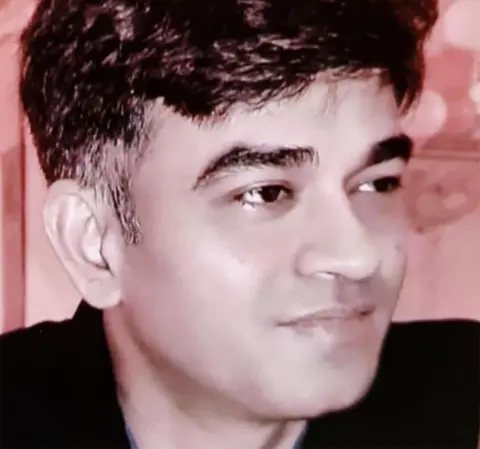
The state police have launched a comprehensive investigation into the circumstances of Rath's death, working to identify perpetrators and establish clear motives behind the attack. Preliminary investigations suggest potential links to political animosities, though authorities have not yet ruled out other criminal motivations. The investigation process will be crucial in determining whether this was a targeted political killing or part of broader criminal activity in the region. Security forces have intensified their presence in areas frequented by senior political leaders as a precautionary measure.
This incident comes against the backdrop of ongoing political tensions in West Bengal, where electoral competition between the ruling Trinamool Congress and the growing BJP presence has created a highly charged political atmosphere. The state has witnessed multiple instances of violence during and after recent elections, attributable to both organized political rivalry and sporadic criminal incidents. Law enforcement agencies continue to grapple with the challenge of maintaining order during periods of heightened political activity and intense electoral competition.
The broader implications of Rath's assassination extend beyond the immediate tragedy to encompass serious questions about democratic governance and the safety of political participants in Indian elections. Civil rights organizations and opposition groups have called for a comprehensive review of security protocols for political workers and leaders, regardless of party affiliation. The incident serves as a grim reminder of the vulnerabilities that exist within India's political system and the ongoing challenges in ensuring a secure environment for democratic participation.
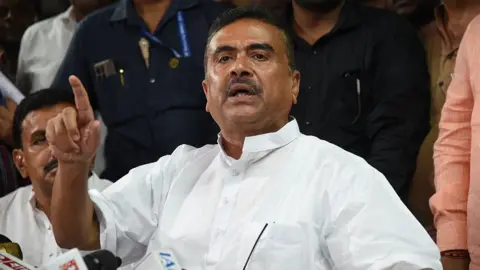
Family members and colleagues of the deceased have expressed their grief and shock over the sudden loss, while demanding justice and swift action from the authorities. Rath's death represents not only a personal tragedy for his family but also a loss to the political organization he served. His colleagues within Adhikari's office have raised concerns about the security environment they operate in and the risks associated with their work in the politically volatile state.
The incident has prompted broader discussions about electoral violence and the need for stronger mechanisms to protect political workers across party lines. Various civic organizations and democratic watchdogs have called for comprehensive reforms in security arrangements for political personnel. These discussions underscore the importance of creating safer conditions for all participants in India's democratic processes, regardless of their political affiliations or hierarchical positions within their respective organizations.
Source: BBC News


