
BJP's Historic Bengal Victory Reshapes India's Political Landscape

Modi's BJP achieves unprecedented success in West Bengal elections, marking a dramatic shift in one of India's most competitive political battlegrounds and redefining regional politics.
West Bengal's recent electoral verdict represents a watershed moment in Indian politics, signaling a fundamental realignment that could reshape both the state's political dynamics and the broader trajectory of Prime Minister Narendra Modi's Bharatiya Janata Party. The results from this crucial eastern state, long considered one of the nation's most fiercely contested political frontiers, demonstrate the BJP's expanding influence beyond its traditional strongholds in central and northern India. For decades, West Bengal has been a bastion of regional and left-wing politics, making the party's breakthrough achievement all the more significant in understanding contemporary Indian electoral patterns.
The Bengal election results underscore a remarkable political transformation that has unfolded over the past decade. What was once considered an impenetrable fortress for regional players has gradually opened up to the BJP's political expansion, reflecting changing voter preferences and the party's sophisticated organizational machinery. The state, which boasts a population of over 90 million people and carries substantial weight in national politics, had previously been dominated by regional parties and left-wing movements. This electoral shift cannot be attributed to a single factor but rather represents a convergence of multiple political, social, and economic developments that have reshaped voter sentiment.
The Modi-led BJP has invested considerable resources in establishing organizational infrastructure across West Bengal, deploying seasoned political operatives and crafting messaging strategies specifically tailored to local concerns. The party's cadre organization, known for its grassroots mobilization capabilities, has methodically built networks at the village and neighborhood levels. This ground-level presence proved instrumental in translating national narratives into localized campaigns that resonated with diverse voter constituencies. The BJP's organizational approach represented a departure from traditional methods employed by established players in Bengal politics, introducing modern campaign techniques and digital engagement strategies.
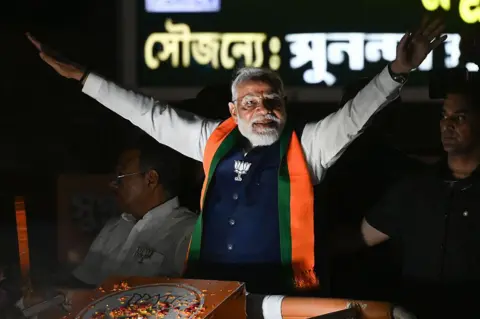
Understanding the implications of Bengal's verdict requires examining the political landscape of India and how regional power dynamics have evolved. The eastern state holds particular symbolic importance as a center of intellectual discourse, literary tradition, and political activism throughout independent India's history. Bengal gave the nation some of its most prominent freedom fighters, social reformers, and political thinkers. For this reason, controlling or gaining significant influence in Bengal carries prestige and practical political consequences for any national party. The West Bengal politics have traditionally been characterized by competitive regional movements and strong personalities, making the entry of a national political organization of the BJP's scale a significant development.
The electoral dynamics in Bengal reveal important patterns about voter behavior and the shifting priorities of the Indian electorate. Exit polls and post-election analyses suggest that Modi's political strategy successfully connected with voters on various issues ranging from development, administrative efficiency, and national pride to concerns about governance and law and order. The party's messaging emphasized economic development, infrastructure projects, and administrative competence, positioning itself as a change agent in contrast to incumbent regional governments. These themes, when communicated through extensive campaign networks and organizational machinery, proved persuasive across diverse demographic segments including rural farmers, urban middle classes, and youth voters.
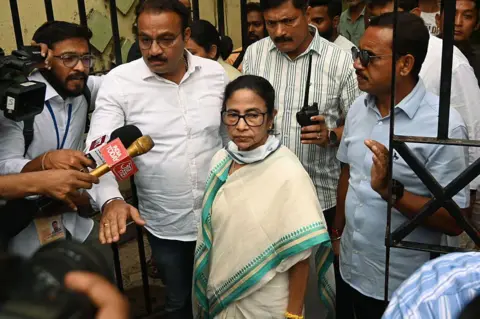
The future of Bengal politics appears poised for significant transformation following this electoral outcome. The BJP's success in the state creates ripple effects across India's political ecosystem, influencing calculations of other regional and national parties. If the saffron party can consolidate its gains in Bengal, it would represent a major achievement in Modi's broader political project of building a pan-Indian political organization with presence across diverse regions. The implications extend beyond merely winning elections; they encompass the ability to shape governance priorities, allocate resources, and influence policy directions in a state of considerable demographic and economic importance.
Regional parties in Bengal face a critical juncture in reassessing their political strategies and reconnecting with voters. The traditional dominance of regional movements has been challenged, forcing political organizations to adapt their approaches and renewal strategies. Some regional parties are exploring coalition arrangements, while others are attempting to refocus on grassroots issues and local governance. This period of political flux creates both challenges and opportunities for various political actors operating within Bengal's competitive electoral environment. The state's political future will likely depend on how effectively regional players can address governance challenges and reconnect with voter aspirations.
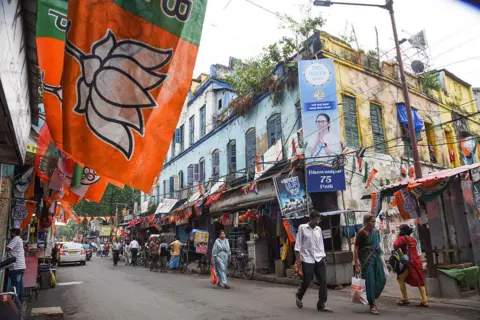
The implications of Modi's BJP success in Bengal extend to India's broader political economy and federal structure. A strong BJP presence in state governments across multiple regions potentially strengthens Modi's political position at the national level and provides administrative laboratories for testing policy initiatives. Conversely, regional governments can serve as platforms for scrutinizing and challenging national-level policies, providing checks and balances within India's federal democratic system. The distribution of political power across different states influences the balance between centralization and federalism, affecting everything from fiscal distribution to policy autonomy in various governance sectors.
Looking ahead, West Bengal's political evolution will be closely watched as a bellwether of national political trends. Elections in India's states often foreshadow patterns that emerge in subsequent national elections, making Bengal results particularly significant for understanding the electoral mood of Indian voters. The state's demographic diversity, economic challenges, and rich political traditions make it a microcosm of broader Indian political dynamics. Political analysts, researchers, and observers will scrutinize how the new political configuration in Bengal addresses governance challenges, implements policies, and responds to constituent needs over the coming years.
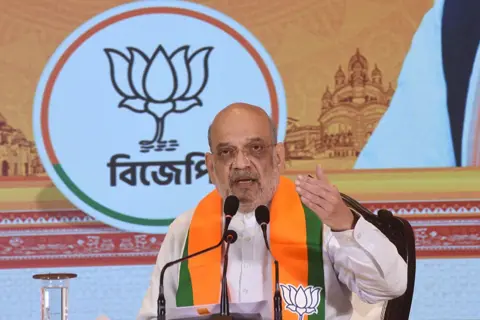
In conclusion, West Bengal's recent electoral verdict marks a pivotal moment in Indian politics with consequences that extend far beyond the state's borders. The BJP's Bengal victory demonstrates the party's organizational capacity and political appeal across diverse regions of the country. The outcome reflects broader shifts in voter preferences and the evolving competitive landscape within Indian democracy. As India continues its democratic journey, the political developments in states like West Bengal provide crucial insights into the functioning of federal democracy and the dynamic nature of electoral politics. The coming years will reveal how effectively the new political arrangements in Bengal address state-specific challenges and contribute to India's overall development trajectory. This electoral outcome underscores that Indian politics remains vibrant, competitive, and responsive to voter sentiment, characteristics essential for the health of any democratic system.
Source: BBC News


