
Trump's UFO Files Release: A Win-Win Political Strategy

Trump's UFO document release serves his political agenda regardless of what evidence emerges. Analyze how this plays into conspiracy theories.
The Trump administration's UFO file release represents a masterclass in political strategy that works in the president's favor no matter what the classified documents ultimately reveal. By directing the Department of Defense to make their first batch of UFO files public, Trump has positioned himself at the center of one of America's most enduring conspiracy narratives, a move that simultaneously appeals to his base while managing expectations through plausible deniability.
Trump's decision to declassify these files capitalizes on a genuine phenomenon of public interest that spans the political spectrum. The president correctly identified that nearly half of all Americans maintain a belief that extraterrestrial visitors have visited Earth, according to polling data from major research organizations. This widespread belief represents far more than fringe conspiracy thinking—it reflects mainstream curiosity about humanity's place in the cosmos and lingering questions about government transparency regarding unexplained aerial phenomena.
The strategy underlying this release reveals a sophisticated understanding of how to manage competing narratives. Should the files contain no credible evidence of alien contact, Trump can pivot his messaging toward criticizing the "deep state" for allegedly withholding or destroying the most significant evidence. This allows him to maintain credibility with conspiracy-minded supporters while positioning himself as a champion of governmental transparency who was thwarted by entrenched bureaucratic resistance.
Conversely, if the released files contain any ambiguous or difficult-to-explain phenomena, Trump positions himself as the president who finally revealed what previous administrations kept hidden. In this scenario, he becomes the hero who brought truth to light, regardless of whether the evidence actually confirms extraterrestrial contact. This dual-track advantage means the political calculus favors Trump regardless of the actual content of the documents.

The historical context of UFO conspiracy theories in American culture cannot be overlooked when examining this development. The modern era of widespread UFO belief traces directly back to the 1947 Roswell incident in New Mexico, when the Roswell Army Airfield issued an official news release announcing the recovery of a "flying disc" from a ranch in the desert. Within hours, the military retracted the statement and issued a revised explanation involving a weather balloon, but the damage to government credibility had been done. That single reversal spawned decades of speculation about what the government was actually hiding.
The Roswell mythology has proven remarkably durable, evolving and adapting across generations even as specific claims have been debunked or reframed. What began as a singular incident in New Mexico transformed into a broader narrative about systematic government coverups of extraterrestrial contact. This narrative has permeated American popular culture, inspired countless films and television programs, and created a persistent undercurrent of public suspicion regarding official explanations of unexplained aerial phenomena.
Trump's understanding of this cultural landscape demonstrates political acumen. He recognizes that UFO disclosure has become a litmus test for government honesty and transparency among a significant portion of the electorate. By appearing to grant this long-standing demand, he casts himself as responsive to public interest while simultaneously insulating himself from criticism through the strategic ambiguity inherent in the actual content of the files being released.
The timing of this announcement also merits consideration within the broader context of Trump's political positioning. The release comes at a moment when questions about government transparency and institutional trustworthiness dominate public discourse. By making UFO files available, Trump aligns himself with those who believe government agencies routinely conceal important information from citizens. This positioning reinforces his broader political narrative about draining a corrupt system and putting power back into the hands of ordinary Americans.

The conspiracy theory community's likely response to these file releases is predictable and worth examining. Regardless of what evidence or lack thereof appears in the declassified documents, dedicated conspiracy theorists have already prepared interpretive frameworks to make sense of the release. If the files appear to contain genuine mysteries, supporters will trumpet this as vindication. If the files show mundane explanations, skeptics will claim the truly significant evidence remains hidden in deeper classified archives not included in this public release.
This predetermined interpretive flexibility means that Trump's political victory is essentially guaranteed. The conspiracy theory community has decades of experience in reinterpreting contradictory evidence to maintain their underlying beliefs. A release that might satisfy academic skeptics or genuine truth-seekers will instead become fodder for further speculation among those committed to the extraterrestrial hypothesis. Trump benefits from this dynamic because his political base includes many who hold these beliefs, and he appears responsive to their demands.
The broader implications of this strategy extend beyond the UFO issue itself. Trump's approach demonstrates how government transparency initiatives can be deployed as political tools that simultaneously serve multiple contradictory purposes. By releasing files while maintaining that deeper secrets remain classified, by claiming to satisfy public demands while ensuring no definitive answers emerge, he has found a way to harvest political benefit from a contentious issue without actually resolving it.
From a governmental perspective, the actual content of these UFO files matters far less than the political narrative surrounding their release. Whether they contain evidence of advanced aerospace technology from foreign powers, natural phenomena requiring further study, or genuine anomalies without conventional explanations, the political calculation remains consistent. Trump wins political credit for releasing them while maintaining the ability to claim that the most significant evidence remains inaccessible to the public.
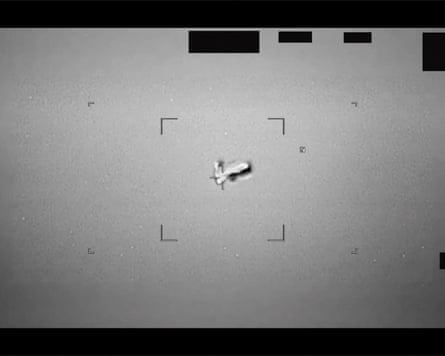
The role of media coverage in amplifying this strategy cannot be understated. The announcement of UFO file releases guarantees significant media attention, with coverage spanning from mainstream news outlets to fringe conspiracy-focused platforms. This broad media attention serves Trump's interests by keeping the narrative alive and generating discussion that keeps him in the center of the conversation about government transparency and institutional trust.
Future administrations will likely face pressure to release additional UFO-related materials, creating an iterative cycle where each release is followed by demands for more information. Trump has positioned himself as the catalyst for this process, gaining credit for initiating disclosure while ensuring that genuine resolution of these questions remains perpetually out of reach. This represents a sophisticated political operation that weaponizes public curiosity about the unknown.
Ultimately, Trump's UFO file strategy exemplifies how political actors can leverage genuine public interest in unexplained phenomena to serve their own agenda. Whether the files prove mundane or mysterious, whether they satisfy or frustrate conspiracy theorists, the political benefits accrue to the president who authorized the release. In an era of widespread distrust in institutions, offering partial transparency while maintaining the possibility of hidden truths serves political purposes that transcend the actual question of whether extraterrestrials have visited Earth.
Source: The Guardian


