
Britain Votes on Nation's Favourite Butterfly

Butterfly Conservation launches historic poll letting Britons choose their favourite from 60 species. Vote until June 7 for small tortoiseshells, purple emperors, and more.
For the first time in British history, the nation is being invited to participate in a nationwide butterfly poll that celebrates the remarkable diversity of lepidopterans that grace the UK's natural landscape. The Butterfly Conservation charity has orchestrated this unprecedented democratic exercise, allowing the public to cast their votes for their most beloved butterfly species from an impressive roster of 60 different varieties. The voting competition remains open until 7 June, providing citizens across the country with a meaningful opportunity to express their personal preferences and contribute to determining which winged insect will claim the prestigious title of Britain's favourite butterfly.
The question of national butterfly preference has sparked considerable interest and debate among both nature enthusiasts and casual observers alike. Will voters rally behind the small tortoiseshell, a once-ubiquitous garden visitor that has experienced a dramatic and concerning population decline in recent years? Or might the charismatic purple emperor, immortalized in verse by the renowned poet John Masefield as an "oakwood haunting thing," capture the public's imagination with its regal appearance and elusive behaviour? The brimstone butterfly also presents a compelling choice for many, having earned its reputation as the ultimate herald of spring with its distinctive pale colouration and early emergence each year.
This inaugural butterfly voting initiative represents a significant moment for conservation efforts and public engagement with British wildlife. By inviting the public to participate in such a democratic process, Butterfly Conservation aims to raise awareness about the incredible variety of butterfly species that inhabit the British Isles and the various ecological challenges they face. The poll serves not merely as a popularity contest but as a vehicle for education, encouraging participants to learn about different species they may never have encountered before and to develop a deeper appreciation for these delicate creatures that play vital roles in our ecosystems.

The selection of 60 species represents a carefully curated snapshot of Britain's butterfly biodiversity, encompassing everything from the most commonly spotted varieties to rarer and more elusive specimens that require dedicated observation to locate. Each species brings its own unique characteristics, habitats preferences, and conservation status to the table. Some butterflies, like the small tortoiseshell, have become emblematic of changing environmental conditions, their population fluctuations reflecting broader ecological shifts occurring across the British countryside and urban gardens alike. Others, such as the purple emperor, maintain an air of mystery and exclusivity, found primarily in ancient woodlands where they conduct their ethereal aerial displays during summer months.
The conservation implications of this voting exercise extend far beyond simple entertainment value. By bringing attention to butterfly species and their varying fortunes, the initiative encourages voters to consider the interconnected web of habitat loss, climate change, pesticide use, and other threats that endanger these insects. Many of Britain's butterfly species have experienced significant population declines over recent decades, with some species now virtually extinct and others persisting only in specialized protected areas. The public engagement fostered by this poll could translate into increased support for butterfly habitat conservation efforts and greater awareness of the actions individuals can take in their own gardens and communities to support these creatures.
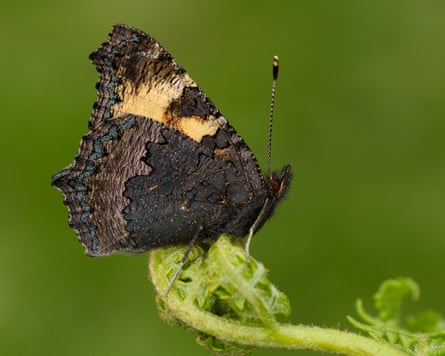
The small tortoiseshell's troubled status makes it a particularly poignant candidate in this butterfly poll. Once considered one of Britain's most abundant and familiar garden butterflies, this species has experienced a catastrophic decline that has puzzled conservationists and scientists alike. The causes of this decline remain incompletely understood, though theories include parasitic infections, loss of nettle-rich habitats where caterpillars feed, and shifting climate patterns that disrupt the species' life cycle. Despite its former prevalence, younger generations of Britons may have limited personal experience with these butterflies, making this voting opportunity a chance to reconnect with a species that symbolizes the broader changes affecting Britain's natural heritage.
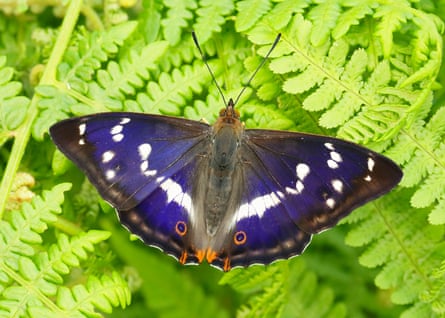
The purple emperor, by contrast, represents a butterfly that has maintained its mystique and appeal throughout British history. This large, majestic species with its distinctive dark wings and iridescent purple patches remains a highly prized sighting for butterfly enthusiasts and naturalists. Found predominantly in southern England's ancient woodland habitats, particularly in the New Forest and other protected areas, the purple emperor exemplifies the rarer, more exclusive specimens that attract dedicated observers willing to venture into specific landscapes at particular times of year. Its association with poetry and literature, as evidenced by Masefield's evocative description, underscores how butterflies occupy a special place in British cultural consciousness.
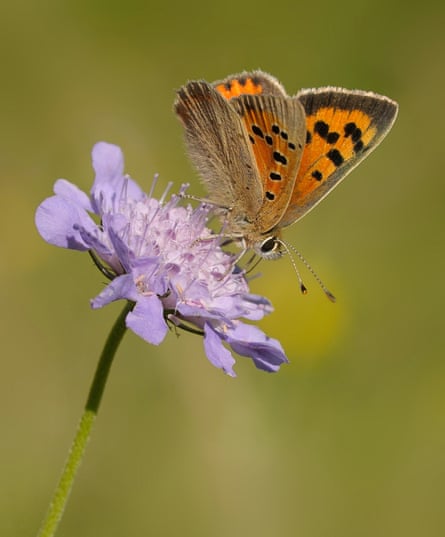
The brimstone butterfly holds yet another position in the nation's butterfly pantheon, regarded universally as one of the surest signs that winter's grip has loosened and spring's renewal approaches. The pale yellow wings of the brimstone adult butterfly provide an unmistakable sight during the earliest warm days of the year, often appearing as early as February in mild years. This butterfly's longevity is remarkable among British species, with individuals living through the winter in a state of hibernation and remaining active into late spring before completing their reproduction cycle. The brimstone's role as a spring harbinger has made it culturally significant and personally meaningful to countless Britons who associate its appearance with the turning of the seasonal wheel.
Beyond these well-known contenders, the butterfly voting competition offers participants the opportunity to discover and champion numerous other fascinating species. The common blue, a diminutive butterfly of chalk grasslands and meadows, might appeal to those who prefer delicate beauty to dramatic grandeur. The peacock butterfly, with its striking eyespots that serve as a defence mechanism against predators, represents another visually arresting option. Red admirals, tortoiseshells, fritillaries, and countless other species each bring their own stories, ecological roles, and conservation needs to the table, ensuring that the poll captures the remarkable diversity of British butterfly fauna.
The Butterfly Conservation organization stands as a crucial advocate for these insects and their habitats, working tirelessly to protect Britain's butterfly populations through habitat restoration, research initiatives, and public education programmes. By orchestrating this favourite butterfly poll, the charity leverages the power of public participation to amplify conservation messages and build a constituency of butterfly supporters across the nation. The results of the voting will provide valuable insights into which species most capture public affection and imagination, potentially informing future conservation priorities and public engagement strategies.
For those wishing to cast their vote, the process is straightforward and accessible through the official Britain's Favourite Butterfly website, where detailed information about each of the 60 candidate species is provided. Participants can learn about distinguishing features, typical habitats, seasonal patterns, and conservation status for each butterfly, enabling informed decision-making based on genuine knowledge rather than mere aesthetic preference. This educational component transforms the voting experience into a genuine opportunity for butterfly learning and discovery.
As the voting period progresses toward its June 7 deadline, butterfly enthusiasts across the nation will be making their voices heard and casting their votes for the species most deserving of the honour of being named Britain's favourite butterfly. Whether the ultimate victor proves to be a species that evokes nostalgic memories of childhood summers, represents a rare and treasured sighting, or simply captivates with its extraordinary beauty, the poll itself stands as a remarkable affirmation of the public's enduring fascination with these remarkable insects and the natural world they inhabit.
Source: The Guardian


