
British Crew Member Urgently Evacuated From Cruise Ship

A British crew member faces urgent medical evacuation from MV Hondius cruise ship following suspected hantavirus outbreak in Atlantic Ocean.
A British crew member has been identified for immediate medical evacuation from the MV Hondius, a luxury expedition cruise ship currently navigating the Atlantic Ocean, following a suspected hantavirus outbreak that has affected multiple individuals aboard the vessel. The decision to evacuate the crew member comes after authorities confirmed that both the British national and a Dutch colleague have developed concerning respiratory symptoms consistent with the virus, prompting urgent action from maritime and health officials coordinating the operation.
According to statements released by Dutch authorities overseeing the evacuation procedure, the two crew members require immediate and urgent medical care to address their deteriorating health conditions. The respiratory symptoms they are experiencing have raised significant alarm among ship medical staff and international health coordinators, who have determined that the severity of their conditions warrants emergency evacuation rather than onboard treatment. Oceanwide Expeditions, the tour operator responsible for the MV Hondius, confirmed that both individuals would be removed from the vessel as swiftly as possible using available maritime rescue resources.
The hantavirus outbreak aboard the MV Hondius represents a serious public health concern given the vessel's capacity to house hundreds of passengers and crew members in close quarters. Hantavirus is a relatively rare but potentially life-threatening infection that can spread through contact with infected rodent droppings or through airborne particles, making the confined environment of a cruise ship particularly susceptible to rapid transmission. The virus has previously been associated with severe respiratory illness and, in some cases, fatal outcomes, which explains the heightened urgency surrounding the evacuation of symptomatic crew members.
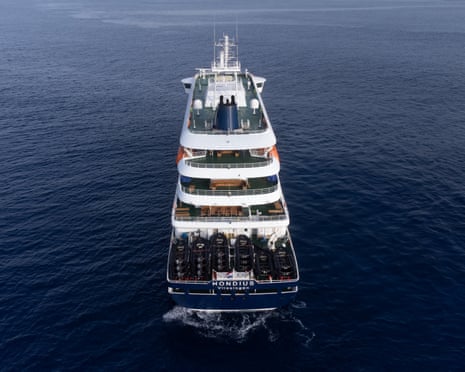
The MV Hondius, operated by Oceanwide Expeditions, is a modern expedition vessel designed for luxury polar and remote region cruises, typically carrying approximately 100-150 passengers alongside crew members dedicated to providing specialized expedition services. The ship's relatively small size compared to mainstream cruise vessels actually makes containment and health management procedures more challenging, as the close-knit environment aboard increases the likelihood of disease transmission among both passengers and staff. This particular voyage was part of the company's scheduled Atlantic expedition route, with passengers from various international backgrounds sharing common spaces throughout the vessel.
The identification of multiple cases aboard the vessel has prompted coordinated responses from health authorities in multiple countries, including the Netherlands, which has taken the lead in organizing the evacuation procedure. Maritime protocols dictate that when crew members or passengers develop serious infectious diseases while at sea, the nearest capable medical facilities and rescue services must be mobilized to ensure patient safety. The complexity of conducting a medical evacuation in the Atlantic Ocean, where the nearest land-based hospitals may be hundreds of miles away, requires careful coordination between ship captains, coast guard services, and specialized maritime medical teams.
The respiratory symptoms observed in both the British crew member and their Dutch colleague represent the primary clinical indicators that led medical professionals to suspect hantavirus infection. These symptoms typically include fever, muscle aches, cough, and difficulty breathing, which develop within one to three weeks of initial viral exposure. The presence of these symptoms in multiple crew members raised immediate red flags for the ship's medical officer and prompted urgent consultation with shoreside infectious disease specialists who recommended immediate evacuation and hospitalization.
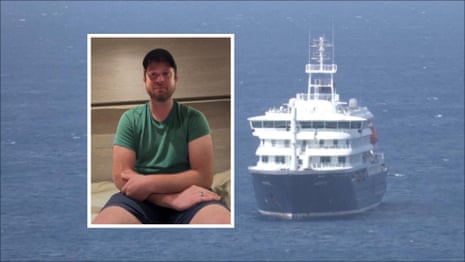
Previous cases of hantavirus in cruise ship environments have been exceptionally rare, making this outbreak a notable public health event that has attracted attention from epidemiological and maritime safety communities worldwide. The investigation into the source of the outbreak has become a priority for health authorities, who are examining the ship's ventilation systems, food storage areas, and passenger common spaces for evidence of rodent activity or contamination. Understanding how the virus was introduced to the vessel is crucial for preventing similar outbreaks on other expedition vessels operating in remote regions.
The evacuation operation itself involves multiple logistical challenges, including identifying the nearest suitable medical facility capable of treating hantavirus cases, positioning rescue vessels or helicopters for patient transfer, and ensuring that the evacuation does not compromise the safety or health of other passengers and crew members remaining aboard the ship. Maritime rescue authorities have established communication channels with the MV Hondius to coordinate the precise timing and method of evacuation, considering factors such as sea conditions, weather patterns, and the current location of the vessel relative to available rescue resources.
Oceanwide Expeditions has issued formal statements assuring passengers and the families of crew members that all necessary precautions are being implemented to protect public health and ensure the safety of everyone aboard the vessel. The company has emphasized their commitment to transparent communication throughout this crisis, providing regular updates to relevant health authorities and maintaining open dialogue with affected passengers regarding the situation and the steps being taken to address it. The operator's response to this outbreak will likely influence how expedition cruise operators worldwide approach infectious disease protocols and emergency preparedness procedures in the future.
The broader implications of this cruise ship outbreak extend beyond the immediate medical emergency, raising important questions about ventilation standards, disease surveillance, and emergency response capabilities aboard expedition vessels that operate in remote or international waters far from immediate medical support. Industry experts are already discussing whether additional regulations or voluntary safety measures should be implemented to better protect passengers and crew from emerging infectious diseases. This incident underscores the vulnerability of maritime environments to disease transmission and highlights the critical importance of rapid detection and evacuation protocols in preventing larger outbreaks.
As the evacuation proceeds and medical authorities continue investigating the outbreak, the case serves as a sobering reminder of the persistent threat posed by zoonotic diseases—infections transmitted from animals to humans—in our increasingly interconnected world. The work of public health officials, maritime authorities, and medical professionals responding to this crisis demonstrates the complex coordination required to manage health emergencies in unconventional settings where traditional medical infrastructure and rapid response systems may not be immediately available. The outcomes for the affected crew members and any lessons learned from this incident will undoubtedly contribute to improved protocols for managing infectious disease emergencies aboard cruise ships globally.
Source: The Guardian


