
Can Democrats Flip the Senate Amid GOP Turmoil?

Democrats aim to capitalize on Trump's low approval ratings and Republican infighting to reclaim Senate control. But rural America presents a stubborn challenge.
The political landscape across America's heartland tells a compelling story of shifting allegiances and intensifying partisan divisions. Even as Trump's approval ratings continue to face headwinds and the Republican party grapples with internal discord, Democrats confront a formidable challenge in their bid to reclaim control of the Senate. The path to victory requires winning back crucial swing regions that have proven increasingly resistant to Democratic messaging in recent election cycles.
In eastern Iowa, the county of Louisa represents a microcosm of these broader political currents reshaping American electoral geography. This deeply rural region, characterized by vast stretches of farmland and small communities, lacks even a single traffic stoplight on its roads. The county seat of Wapello, with characteristic Midwestern humor, has earned itself the tongue-in-cheek title of "Capital of the World"—a designation that belies the outsized influence such regions wield in national politics.
Though the moniker may seem whimsical, the decisions made in places like Louisa carry genuine weight that has reverberated throughout the nation and beyond. This county, nestled among a strategic band of communities along the Mississippi River corridor, exemplifies the dramatic political transformation that has reshaped electoral mathematics in America's Midwest. These counties along the river once represented dependable Democratic strongholds, twice delivering their support to Barack Obama during his successful presidential campaigns.
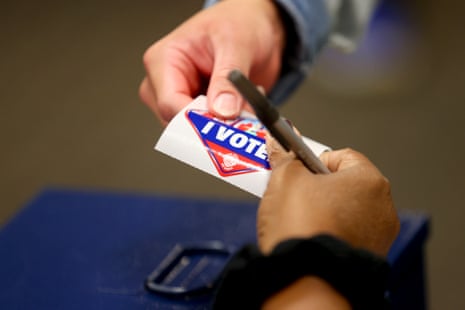
The political trajectory changed dramatically beginning in 2016, when the entire region, much like Iowa as a state, pivoted decisively toward Republican leadership. That initial shift toward Donald Trump in 2016 proved to be merely the opening chapter in a larger realignment story. In subsequent elections, these historically significant counties have continued their rightward migration, voting more heavily Republican with each electoral cycle that has featured the former president's name on the ballot.
Understanding this transformation requires examining the complex factors driving rural America's political realignment. Economic anxieties related to agricultural policy, manufacturing decline, and globalization have combined with cultural concerns about changing demographics and social values. The Republican party has effectively channeled these concerns into electoral gains, particularly among working-class voters who had previously supported Democratic candidates.
Despite these headwinds, Democrats remain committed to their Senate takeover strategy, recognizing that control of the upper chamber represents the foundation for advancing their legislative agenda. The challenge lies in reversing years of accumulated losses in precisely the regions where Democratic political power once held considerable sway. Campaign operatives from both parties acknowledge that the struggle for Senate majority status will likely be determined by whether Democrats can stem their bleeding in rural and small-town America.
The 2024 Senate race landscape reflects the stakes of this political realignment. Democrats must defend seats in several states where Trump enjoys substantial popularity, even as they attempt to capitalize on Republican vulnerabilities in other competitive markets. The mathematical reality is unforgiving: without significant progress in reversing losses among rural voters, Democratic prospects for gaining Senate control remain substantially constrained.
Republican infighting and internal conflicts have provided Democrats with potential openings, however. The party has been wracked by disputes over leadership, ideological direction, and strategy. Some Republican candidates in key swing states have struggled to distance themselves from the more controversial aspects of the Trump agenda, potentially creating opportunities for Democratic challengers to frame themselves as moderates offering steady governance.
Republican dysfunction extends beyond mere personal conflicts between political leaders. Fundamental disagreements about economic policy, foreign affairs, and social issues have occasionally bubbled into the public sphere, generating negative headlines that may alienate independent and moderate voters. Democrats hope to leverage these divisions by positioning themselves as the party of stability and competent administration.
The Iran situation weighing on Republican political fortunes adds another layer of complexity to the electoral equation. Foreign policy crises typically benefit the incumbent party if handled with perceived competence, but can become significant liabilities if the public questions decision-making or execution. How voters assess Trump and Republican leadership on this issue could meaningfully influence Senate race outcomes, particularly among persuadable independent voters and those with national security concerns.
Demographic trends present a mixed picture for Democratic Senate aspirations. While younger voters and suburban college-educated voters increasingly support Democratic candidates, rural America continues drifting Republican. The net effect of these competing demographic currents varies significantly by state and specific Senate battleground, creating a patchwork electoral map that offers both opportunities and challenges for Democrats pursuing Senate control.
Ultimately, the question of whether Democrats can reclaim the Senate hinges on their ability to address the genuine concerns of rural and working-class voters while also energizing their core constituencies. The transformation of counties like Louisa from Democratic strongholds to Republican bastions did not occur through happenstance but rather reflected real shifts in voter priorities and preferences. Reversing this trajectory would require not merely effective campaigning but substantive engagement with the communities that have drifted away from the Democratic coalition.
The path forward for Senate Democrats remains viable but decidedly uphill. Success will depend on winning close races in competitive states, defending their existing seats in Trump-friendly territory, and potentially finding unexpected opportunities in Republican-leaning regions where local factors and candidate quality create openings. The Senate battles of the coming years will test whether Democratic strategists can craft a message that resonates beyond metropolitan areas and college towns to reach the rural voters who now represent a potentially decisive voting bloc.
Source: The Guardian


