
Changing Tides: Trump's EPA Rollbacks and State Climate Action

How Trump's EPA rollbacks have empowered US states to take on climate change in court, with Vermont and New York facing high stakes in their climate accountability laws.
In a move that has significant implications for the battle against climate change, the Trump administration's rollback of a key climate legal determination has inadvertently strengthened the hand of US states seeking to hold major polluters accountable. Vermont and New York, in particular, are facing high stakes as they defend their groundbreaking climate superfund laws against attacks from the Trump administration's Department of Justice (DoJ).
By rescinding a bedrock climate regulation, the Trump administration's EPA has undercut its own arguments in the ongoing legal battles over state-level climate accountability measures. Green groups have argued in court that this move has actually empowered states to take more assertive action to protect their residents from the devastating impacts of climate change.
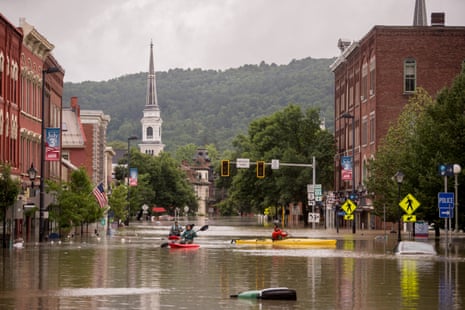
The Trump administration's DoJ has attempted to strike down Vermont's pioneering "climate superfund" policy, which requires major polluters to pay for the damages caused by their past greenhouse gas emissions. The DoJ has argued that federal law, not state law, should govern emissions, but the EPA's recent rollback has undercut this position.
Similarly, in New York, state officials are fighting to defend their own climate accountability law, which holds fossil fuel companies responsible for the costs of adapting to climate change. These legal battles have high stakes, as the outcomes could significantly impact the ability of states to protect their citizens from the growing threats posed by a warming planet.
The Trump administration's EPA rollbacks have inadvertently given states new tools to fight back against the federal government's efforts to shield major polluters from accountability. As Vermont and New York continue their legal battles, the reverberations of this policy shift could be felt nationwide, empowering other states to take bold action to address the climate crisis and hold the largest contributors to global warming responsible for their actions.
This unexpected turn of events highlights the complex and ever-evolving landscape of climate change policy in the United States. As the stakes continue to rise, the outcomes of these legal battles could have far-reaching consequences for the future of environmental protection and the fight against the climate emergency.
Source: The Guardian


