
Chicago Teen Dies After Fighting ICE, Cancer

Kevin González, 18, died of stage 4 colon cancer shortly after reuniting with parents in Mexico. He had advocated for their release from ICE custody.
Kevin González, an 18-year-old Chicago native who became an advocate for his parents' freedom while battling a devastating terminal illness, has passed away shortly after being reunited with his family in Mexico. The young man's death marks the tragic conclusion to a heartbreaking immigration story that captured the attention of activists and media outlets across the United States. His family confirmed the news of his passing to multiple news organizations, bringing an end to his courageous public campaign to secure his parents' release from US immigration authorities.
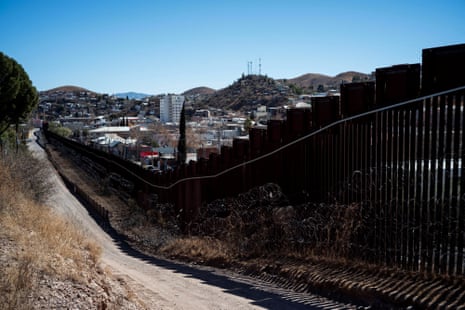
The circumstances surrounding González's final months reveal the intersection of two profound challenges: navigating the American immigration system while confronting a life-threatening medical condition. His parents had made a desperate decision in mid-April when they crossed the US border from Mexico without authorization, driven by the urgent desire to be present with their son as his health deteriorated rapidly. This decision, made out of parental love and desperation, resulted in their apprehension and detention by Immigration and Customs Enforcement (ICE) agents in Arizona.
González was diagnosed with metastatic stage four colon cancer, one of the most aggressive and difficult-to-treat forms of the disease. At only 18 years old, he faced extraordinary physical and emotional challenges that would test the resolve of anyone, regardless of age. Despite his deteriorating health condition, the young man demonstrated remarkable courage and determination by becoming a vocal advocate for his parents' release from federal custody. He understood that his time was limited and that every moment with his family was precious and irreplaceable.
After his parents' detention, González made the difficult decision to travel to Mexico to join his extended family members while continuing his medical treatment. Rather than accept his situation in silence, he chose to use his platform and his story to shine a light on what he viewed as an unjust immigration system. In his final days, González made public pleas through various media channels, urging federal authorities to release his parents from ICE custody so that they could be reunited with him during his final battle with cancer.
The case of Kevin González highlights the complex and often heartbreaking stories that exist at the intersection of immigration policy and human tragedy. His parents faced an impossible choice: remain separated from their son during a critical time in his life, or risk crossing the border illegally and facing potential detention. They chose to attempt reunion, believing that being present for their son during his final days was worth the risk. Unfortunately, their apprehension meant that they were separated from him at precisely the moment when their support was most needed.
During his advocacy efforts, González spoke publicly about the emotional toll of his situation. He expressed the pain of not having his parents by his side as he underwent treatment and battled the progression of his disease. His public statements garnered attention from immigration reform advocates, who saw his case as emblematic of the difficulties faced by immigrant families navigating the American immigration and customs enforcement system. Many supporters organized campaigns calling for his parents' immediate release, citing the humanitarian aspects of the family's situation.
The timeline of events leading to González's death paints a picture of a family torn apart by circumstances beyond their control. His parents, who had previously left Mexico to seek better opportunities and build a life in the United States, were faced with the choice of either remaining in America as undocumented immigrants or risking apprehension by attempting to reach their son. When they learned that Kevin's condition was critical and his time was running short, they made their decision and began their journey northward. The ICE agents who encountered them in Arizona followed protocol in taking them into custody, unaware of the deeply personal circumstances driving their border crossing.
During his final weeks, González became a symbol of the larger immigration debate happening in the United States. Advocacy groups and immigration reform supporters shared his story widely on social media platforms, using his case to illustrate what they viewed as the flaws in current ICE policies and border enforcement practices. Despite these efforts and the emotional weight of his story, the federal system continued to process his parents' case through standard channels. González was ultimately able to reunite with his family in Mexico before his death, a small consolation in an otherwise tragic situation.
The death of Kevin González serves as a sobering reminder of the human costs associated with immigration enforcement and border policy. While immigration authorities and policymakers grapple with questions of law enforcement and national security, individual families continue to navigate systems that often seem indifferent to their personal circumstances. González's case raises difficult questions about how the immigration system balances enforcement priorities with humanitarian considerations when families are involved.
His parents, who had risked legal consequences to be with their son, ultimately faced a bittersweet outcome: they were able to reunite with Kevin in Mexico before his passing, but only after spending weeks separated from him during his most critical period. Immigration advocates have used González's story to argue for policy reforms that would allow for humanitarian exceptions or compassionate releases when serious medical situations are involved. The case underscores ongoing debates about whether immigration enforcement policies adequately account for family situations and medical emergencies.
In the days following his death, social media tributes and news coverage highlighted González's courage and his advocacy efforts during his final months. Despite facing unimaginable physical pain and emotional suffering, he had chosen to speak publicly about his family's situation, hoping that his voice might make a difference for others in similar circumstances. His legacy extends beyond his individual story, becoming part of the broader conversation about immigration policy, family separation, and the human dimensions of enforcement actions.
The González family's experience represents just one of countless stories involving families affected by immigration enforcement actions. Many families continue to face similar dilemmas regarding border crossings, legal status, and the challenges of maintaining family unity while navigating an increasingly complex immigration system. Kevin's public advocacy during his illness helped bring attention to these issues, even as it remained unclear whether his efforts would result in policy changes or improved procedures for handling humanitarian cases.
As the nation continues to debate immigration reform and border security, the story of Kevin González stands as a testament to the real human consequences of these policies. His determination to reunite with his parents and his willingness to speak publicly about his situation, despite his illness, demonstrated a strength of character that moved many observers. The 18-year-old's death marks the end of an individual battle, but his story continues to resonate within advocacy communities and among those pushing for more compassionate approaches to immigration enforcement.
Source: The Guardian


