
Climate Change Extends Pollen Season Across Europe

New research reveals global heating has lengthened pollen season in UK and Europe by 1-2 weeks since 1990s, worsening allergies.
Climate breakdown is transforming the natural calendar across Europe, with extensive research now confirming that pollen seasons have been significantly extended over the past three decades. A comprehensive study published in The Lancet has uncovered alarming evidence that global heating has already lengthened the pollen season in the UK and mainland Europe by between one and two weeks since the 1990s. While this phenomenon may seem minor compared to catastrophic weather events like floods and wildfires, scientists emphasize that this seasonal shift represents a profound increase in the cumulative suffering experienced by tens of millions of Europeans each year.
The research demonstrates a clear connection between rising temperatures and the extended bloom cycles of allergenic plants across the continent. As fossil fuel pollution continues to warm the planet, the timing of nature's annual plant reproduction cycle has fundamentally shifted. Spring now arrives earlier in many regions, triggering earlier pollen release, while autumn extends further into what was traditionally winter, prolonging the season during which millions experience allergic reactions. This extended period means that individuals suffering from seasonal allergies face a longer window of itchy eyes, runny noses, and respiratory discomfort throughout the year.
The implications of this extended pollen season extend far beyond mere inconvenience. Medical professionals warn that longer exposure to pollen can exacerbate existing respiratory conditions, increase the prevalence of new allergies in susceptible populations, and place additional strain on healthcare systems already managing the consequences of climate change. The research team behind this study emphasizes that while individual symptoms may seem trivial, the aggregate health burden across the entire European population represents a substantial public health crisis that has been largely overlooked in climate change discussions.

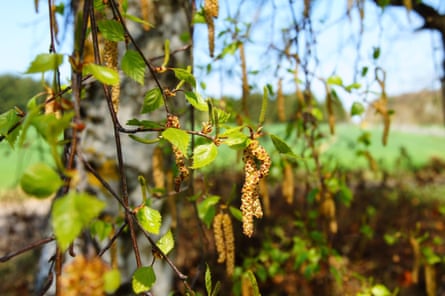
Europe's diverse geography means that different regions experience varying impacts from this climate-driven phenomenon. Northern regions that previously enjoyed shorter, milder pollen seasons are now witnessing the emergence of plant species and extended blooming periods previously unknown to their ecosystems. Mediterranean areas face even more dramatic shifts, with heat-stressed vegetation producing more potent allergens earlier in the year. The UK, positioned at the northern edge of continental temperate zones, has seen particularly pronounced changes in the timing of birch and oak pollen release, affecting millions of British residents annually.
The physiological mechanisms driving this transformation are well understood by climate scientists and botanists. Plants respond to warming temperatures by initiating their reproductive cycles earlier in the calendar year. Additionally, extended warm periods in autumn delay the dormancy that typically characterizes plant physiology during colder months. This double-sided effect—earlier spring starts and delayed autumn endings—creates the one to two week extension documented in the research. Furthermore, elevated CO2 levels and warming temperatures can increase the allergenicity of pollen itself, meaning that not only is the season longer, but the pollen may trigger stronger allergic responses in susceptible individuals.
Historical temperature data and botanical records spanning multiple decades form the foundation of this research. Scientists analyzed pollen counts, flowering dates, and climatic conditions across numerous monitoring stations throughout the UK and mainland Europe, creating a comprehensive database that reveals unmistakable trends. The data conclusively demonstrates that warmer years consistently correspond with earlier pollen seasons and extended duration. This correlation becomes increasingly pronounced in recent decades, reflecting the acceleration of global warming documented by climate scientists worldwide.
The economic implications of extended pollen seasons merit serious consideration from policymakers and public health officials. Increased allergy severity translates to higher healthcare costs, including medications, emergency room visits, and lost productivity as workers struggle with symptoms. Pharmaceutical companies have responded by developing stronger antihistamines and alternative treatments, but these interventions only manage symptoms rather than address the underlying cause. Additionally, the mental health impacts of chronic symptoms throughout an extended season should not be underestimated, as individuals report reduced quality of life during months that would previously have offered relief.
School systems and educational institutions across Europe face unique challenges from this extended pollen season phenomenon. Springtime, traditionally a period when students might enjoy increased outdoor activities and improved learning conditions, now coincides with peak pollen exposure for millions. Teachers report increased absenteeism during the extended season, and students managing allergy symptoms often demonstrate reduced concentration and academic performance. Outdoor educational activities and sports must now be carefully scheduled to minimize pollen exposure, fundamentally altering traditional school calendars and curricula.
Agricultural impacts represent another dimension of this complex problem. Farmers and horticulturists across Europe are adapting to shifting flowering patterns and extended growing seasons, which create both opportunities and challenges. Crop varieties that previously thrived in specific regions may now require adaptation or replacement. The timing of agricultural allergenic plant management, such as cutting grass and removing weeds before they flower, has become increasingly complicated by unpredictable pollen season timing. This adds another layer of economic pressure on Europe's agricultural sector, already stressed by drought, flooding, and other climate-related challenges.
Vulnerable populations, including children, elderly individuals, and those with pre-existing respiratory conditions, bear a disproportionate burden from extended pollen seasons. Young children developing their immune systems during longer pollen exposures may develop increased sensitivity or new allergies they might otherwise have avoided. Elderly patients often manage multiple health conditions that complicate allergy treatment, and the extended season increases the risk of complications. Individuals with asthma particularly struggle, as pollen exposure frequently triggers exacerbations that can escalate to serious respiratory events requiring hospitalization.
The research community emphasizes that this extended pollen season represents merely one of countless ways in which climate breakdown manifests in human health and environmental systems. Scientists stress that while individual climate impacts may seem manageable in isolation, the cumulative effect of numerous simultaneous environmental stressors creates compounding public health crises. The extended pollen season intersects with air pollution, extreme heat, and other climate-related health hazards to create complex challenges for healthcare systems and environmental management strategies. The interconnected nature of these problems demands equally comprehensive and integrated solutions rather than fragmented approaches.
Looking forward, researchers project that without significant reductions in greenhouse gas emissions, pollen seasons across Europe will continue extending at accelerating rates throughout the coming decades. Climate models suggest that by mid-century, many regions could experience pollen seasons lasting three to four weeks longer than the baseline established during the 1990s. Some areas may eventually experience year-round pollen presence from successive plant species blooming outside their traditional schedules. These projections underscore the urgency of climate action and the importance of public awareness regarding the less visible but deeply impactful consequences of planetary warming.
Source: The Guardian


