
Climate Crisis Threatens Democracy Through Election Disruptions

New research reveals how extreme weather events like floods, wildfires, and heatwaves disrupted 23 elections in 18 countries during 2024, posing unprecedented threats to democratic processes worldwide.
A comprehensive new analysis has exposed a troubling intersection between the escalating climate crisis and the stability of democratic institutions globally. Researchers have documented extensive evidence showing how natural hazards linked to climate change are increasingly becoming significant factors that shape electoral outcomes and disrupt voting processes in nations across multiple continents. The findings paint a stark picture of a world where political campaigns and democratic participation are no longer determined solely by traditional political forces, but are being fundamentally altered by environmental catastrophes including devastating floods, destructive wildfires, and record-breaking extreme weather events.
According to the latest research, the scale of this phenomenon is far more extensive than previously recognized. Over the past two decades, at least 94 separate elections and referendums conducted across 52 different countries have experienced significant disruptions directly caused by climate-related impacts. This alarming trend accelerated dramatically in 2024, when researchers documented that natural hazards connected to the climate crisis disrupted a minimum of 23 distinct elections spread across 18 countries in just a single year. The concentration of these incidents in 2024 suggests a rapidly deteriorating situation that demands immediate attention from policymakers, election officials, and climate scientists alike.
The mechanisms through which climate events disrupt democratic processes are multifaceted and complex. Flooding events have forced the relocation or postponement of polling sites, making it physically impossible for voters to access voting locations. Extreme heatwaves have rendered outdoor voting facilities uninhabitable and have contributed to voter fatigue and reduced turnout, particularly among vulnerable populations including the elderly and those with health conditions. Wildfires have forced mass evacuations from entire regions, displacing millions of potential voters and preventing them from participating in critical electoral decisions that shape their nation's future.
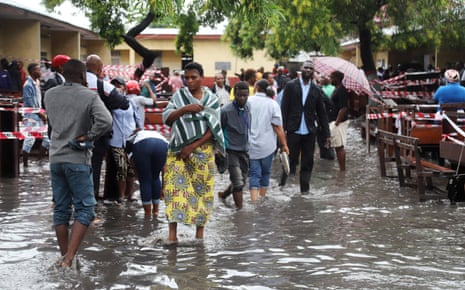
Beyond the immediate logistical challenges, extreme weather events create broader conditions that undermine democratic stability and institutional confidence. When governments struggle to manage climate disasters while simultaneously administering elections, public faith in democratic institutions can erode significantly. Voters may become disengaged from political processes when their governments appear unable or unwilling to address environmental threats to their safety and livelihoods. Additionally, the stress placed on government resources during climate emergencies can result in inadequately funded and poorly managed electoral processes, raising concerns about the integrity and fairness of democratic outcomes.
The research reveals that certain regions face disproportionately severe threats from this intersection of climate change and democratic disruption. Developing nations and small island states, which have contributed the least to historical greenhouse gas emissions, face some of the most severe climate impacts combined with comparatively weaker institutional capacity to manage electoral disruptions. In 2024, several countries in Southeast Asia, the Caribbean, and sub-Saharan Africa experienced multiple climate-disrupted electoral events, suggesting that inequality in climate impacts is also creating inequality in democratic participation and representation.
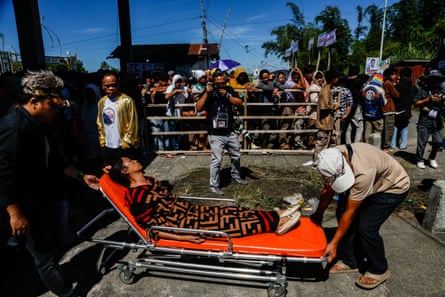
The political ramifications of climate-disrupted elections extend far beyond the immediate election cycle. When large segments of the population are prevented from voting due to climate disasters, the resulting governments may lack legitimate democratic mandates, potentially weakening their authority and effectiveness. This delegitimization can fuel political instability, increase social tensions, and make it more difficult for governments to implement the urgent climate policies necessary to address the crisis. Furthermore, when certain demographic groups or geographic regions are systematically excluded from voting due to climate events, the resulting representation becomes skewed and fails to reflect the true will of the people.
Election officials and governments worldwide are beginning to recognize this emerging threat and are exploring potential solutions. Some jurisdictions have expanded early voting periods and mail-in ballot options to provide flexibility when extreme weather strikes near election day. Others have developed emergency protocols for relocating polling places and trained personnel to manage disruptions. However, these reactive measures are often insufficient when faced with truly catastrophic weather events. Long-term solutions will require fundamental changes to how societies approach both climate change adaptation and democratic administration, including substantial investments in climate resilience infrastructure and modernization of electoral systems.
The findings arrive at a critical moment when global attention to climate policy is intensifying. International climate negotiations and national climate commitments increasingly recognize the interconnection between environmental stability and human security, yet the specific threat to democratic processes has received limited attention. This research underscores that climate change is not merely an environmental or economic issue, but fundamentally a challenge to democratic governance itself. As global temperatures continue to rise and climate impacts intensify, the frequency and severity of climate-disrupted elections will likely increase unless substantial mitigation and adaptation measures are implemented urgently.
Looking forward, the research suggests that policymakers must integrate climate resilience into electoral systems planning and that climate action must be recognized as essential to democratic stability. International cooperation will be necessary to support nations with limited resources to strengthen their electoral infrastructure and develop climate adaptation strategies. Additionally, civil society organizations and election monitoring bodies will play crucial roles in documenting climate-related electoral disruptions and maintaining democratic accountability. The urgency of addressing this challenge cannot be overstated, as the convergence of worsening climate impacts and vulnerable electoral systems threatens the foundation of democratic governance in an increasingly unstable world.
As nations prepare for upcoming electoral cycles, the lessons from 2024's climate-disrupted elections must inform policy decisions and resource allocation. Investment in climate-resilient electoral infrastructure, comprehensive contingency planning, and enhanced international support for vulnerable nations are essential steps. The data makes clear that addressing the threat to democracy posed by the climate crisis is not optional but imperative for maintaining the legitimacy and functionality of democratic institutions globally. Only through coordinated action combining climate mitigation, adaptation measures, and electoral system strengthening can societies hope to protect democratic processes in the face of accelerating climate change impacts.


