
Coalition Plans Major Overhaul of Immigration Levels

Leaked documents reveal Coalition's strategy to slash net overseas immigration to 150,000-200,000 annually as Angus Taylor prepares for potential early election.
The Coalition has unveiled an ambitious strategy to significantly reduce net overseas immigration levels across Australia, according to confidential policy documents that have emerged revealing the opposition's broader electoral strategy. The leaked internal roadmap indicates that senior Coalition leadership, including prominent figure Angus Taylor, is preparing comprehensive policy platforms as the party rebuilds following its significant electoral setback in 2025. This strategic repositioning on immigration represents a pivotal moment in Australian political discourse, reflecting ongoing public concerns about population growth and social cohesion.
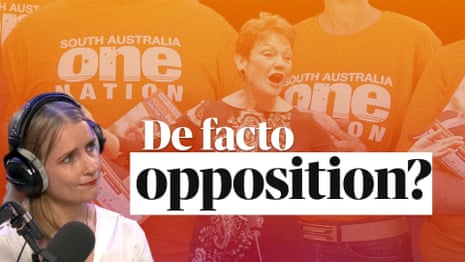
The confidential policy framework circulated among senior Coalition members outlines plans to reduce annual net overseas immigration to a range of 150,000-200,000, marking a dramatic departure from current levels. This proposed reduction would represent a substantial cut of nearly half from existing immigration intake figures, positioning the Coalition as a serious advocate for controlled population growth. The target sits between the harder stance of One Nation, which has consistently advocated for a strict 130,000 annual cap, and the more moderate approaches of the Howard-era government, which targeted 100,000 arrivals per year.
The strategic policy document reveals that the Coalition is preparing multiple pathways to address what party strategists identify as critical electoral issues. As the opposition rebuilds its infrastructure and messaging following the 2025 election defeat, immigration policy has emerged as a central pillar of the party's renewed platform. The focus on immigration reflects extensive internal polling and stakeholder consultation that suggests this issue resonates strongly with Coalition target voters across diverse demographic and geographic constituencies.

Angus Taylor, positioned as a key architect of this policy framework, appears to be preparing the Coalition for the possibility of an early federal election. The comprehensive nature of the leaked roadmap suggests that Coalition strategists are treating this period as a critical window for policy development and public positioning. Taylor's involvement in shaping these immigration proposals underscores the importance the Coalition places on distinguishing itself from the current government on this contentious policy domain.
The proposed immigration reduction target of 150,000-200,000 annually would represent a significant recalibration of Australia's approach to population growth through migration. This middle-ground positioning appears designed to appeal to Coalition voters who support stricter immigration controls without alienating those concerned about labour market needs and economic growth. The range provided in the policy document suggests that final implementation would allow for flexibility based on economic conditions and labour market requirements at the time of policy enactment.
Contextualizing these proposals requires understanding the historical trajectory of Australian immigration policy. The Howard government's 100,000 annual target represented a significant reduction during its time in office, establishing precedent for major policy shifts in this domain. One Nation's advocacy for a 130,000 cap reflects the far-right positioning on immigration within contemporary Australian politics. The Coalition's proposed 150,000-200,000 range attempts to occupy a middle position that acknowledges genuine concerns about immigration levels while maintaining economic pragmatism.
The leaked documents provide insight into broader Coalition thinking beyond immigration policy alone. The internal roadmap reportedly encompasses multiple policy areas that the opposition intends to emphasize as it attempts to rebuild voter confidence following its 2025 defeat. This comprehensive approach suggests that Coalition leadership recognizes the need for a cohesive platform addressing multiple voter concerns rather than relying on single-issue positioning.
The timing of these policy revelations carries significant political implications for the current government. By obtaining and analyzing these leaked documents, Labor strategists gain valuable insight into Coalition campaign planning and can prepare counter-messaging well in advance of potential electoral contests. The transparency around Coalition thinking—whether intentional or through security breaches—affects the political dynamics surrounding immigration policy in ways that extend beyond simple policy debate.
Public response to immigration policy variations reflects deep divisions within the Australian electorate. Supporters of stricter immigration controls argue that reduced levels protect wage conditions, housing affordability, and social services capacity. Conversely, advocates for higher immigration emphasize labour market requirements, economic growth potential, and Australia's multicultural heritage. The Coalition's proposed middle-ground approach attempts to address both constituencies, though critics across the spectrum question whether such positioning satisfies either group's fundamental concerns.
Economic considerations underpin much of the immigration policy debate. Australian businesses, particularly in agriculture, construction, hospitality, and healthcare sectors, have consistently expressed concerns about labour shortages that immigration helps address. The Coalition's proposed immigration levels would need to balance concerns about protecting domestic wage conditions with maintaining sufficient labour supply for economic growth. This tension between competing economic interests explains why immigration policy remains contested across the political spectrum.
The leaked policy roadmap also suggests that the Coalition is considering various implementation mechanisms to achieve its immigration reduction targets. These might include modifications to skilled migration programs, changes to family reunion categories, or alterations to humanitarian intake levels. Each approach carries different implications for various stakeholder groups and would affect immigration composition in different ways.
As Angus Taylor and other Coalition figures prepare for what they anticipate could be an early election, this immigration policy framework represents a calculated attempt to appeal to voter concerns while maintaining policy credibility. The detailed nature of the leaked documents indicates serious policy development work has already occurred within Coalition ranks. Whether these proposals ultimately form the centerpiece of a Coalition election campaign or undergo further refinement remains to be seen.
The Coalition's emphasis on net overseas immigration reduction reflects recognition that population growth remains a salient issue for many Australian voters. Housing affordability, infrastructure strain, and rapid demographic change have become increasingly prominent concerns in public discourse. By positioning itself as responsive to these concerns, the Coalition aims to regain voter confidence in its capacity to manage growth and address quality-of-life issues.
These developments will likely shape political discourse around immigration for the foreseeable future. Whether the government responds by adjusting its own immigration policies, defending current levels, or repositioning its policy rationale remains a critical question. The leaked documents have effectively forced immigration policy back onto the political agenda as an active area of contestation rather than settled policy terrain. As electoral dynamics continue to evolve, both major parties will likely refine and develop their immigration platforms further.
Source: The Guardian


