
Congress Moves to Halt Trump's Escalating Conflict with Iran

Republican-led Senate poised to reject Democratic resolution aimed at preventing further military action against Iran without Congressional approval
Congress is set to take a major vote on a resolution that would prevent President Trump from continuing his escalating military conflict with Iran without first seeking approval from lawmakers. Senate Republicans are expected to vote down the Democratic-backed war powers resolution, arguing the president is "acting in the best interest of the nation".
Democrats have strongly condemned Trump's decision to order an air campaign against Iran without first consulting Congress, while the administration has offered shifting explanations for the objectives of the military strikes. The war powers resolution, introduced by Democratic Senators Tim Kaine, Adam Schiff and Minority Leader Chuck Schumer, would force an end to U.S. participation in the current hostilities and require the president to get Congressional approval before re-entering the war.
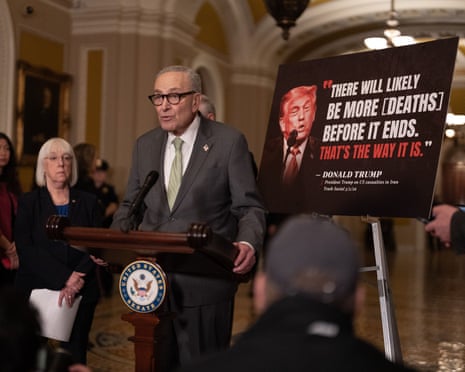
Despite the Democratic push, the Republican-controlled Senate is expected to reject the resolution, with Majority Leader John Thune arguing that Trump is "acting in the best interest of the nation". This sets up a potential constitutional clash between the executive and legislative branches over the president's authority to initiate military action without explicit Congressional authorization.
The vote comes amid heightened tensions in the Middle East, with Iran and the U.S. exchanging military strikes in recent days. Trump has defended the U.S. actions as necessary to protect American interests and deter further Iranian aggression, but Democrats argue he has overstepped his authority as commander-in-chief.
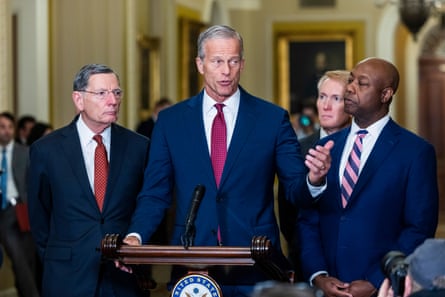
The war powers vote represents the latest flashpoint in the ongoing power struggle between the White House and Congress over the president's ability to engage in foreign conflicts without legislative approval. Proponents of the resolution argue it is a crucial check on executive war-making powers, while opponents claim it would undermine the president's ability to respond to national security threats.
Regardless of the outcome, the debate is likely to continue, with both sides digging in on their positions and the constitutional balance of power at the heart of the dispute. As the U.S.-Iran conflict shows no signs of abating, the stakes of this political battle continue to rise.
Source: The Guardian


