
Controversy Over Anglican Leadership: Conservatives Retreat from Rival Archbishop Plans

Conservative Anglicans have decided against electing a rival leader to challenge the current Archbishop of Canterbury, Sarah Mullally, the first woman to hold the position.
In a surprising move, conservative Anglicans have backtracked on their plans to elect a rival archbishop to challenge the authority of the current head of the Church of England, Sarah Mullally. Mullally made history in 2019 as the first female to be appointed to the prestigious role of Archbishop of Canterbury.
The conservative faction within the Anglican Communion had previously stated its intention to select a new leader with the same title as Mullally, effectively creating a parallel authority structure. However, in a recent development, these plans have now been shelved, signaling a retreat from the confrontational approach.
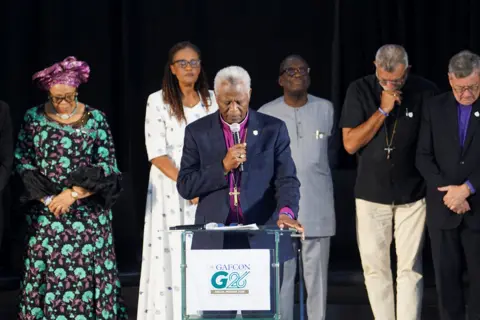
The decision by the conservative group, known as the Global Anglican Future Conference (GAFCON), comes after months of internal debates and discussions. GAFCON, which represents a significant portion of the worldwide Anglican Communion, had been critical of Mullally's progressive stances on issues such as same-sex marriage and the ordination of LGBTQ+ clergy.
Despite the setback, GAFCON has not abandoned its goal of asserting a more conservative theological agenda within the broader Anglican Communion. The group continues to explore alternative avenues to challenge the leadership and policies of the Church of England, which it perceives as straying from its traditional teachings.
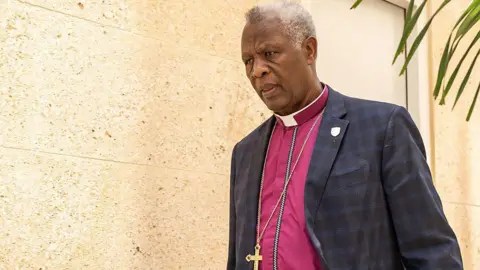
Mullally's appointment as the first female Archbishop of Canterbury was a landmark moment for the Church of England, which has traditionally been dominated by male leadership. Her tenure has been marked by efforts to modernize the Church and make it more inclusive, drawing both praise and criticism from various factions within the Anglican Communion.
The decision by GAFCON to step back from its plans to elect a rival archbishop is seen by some as a tactical retreat, rather than a complete abandonment of their vision. The group may now explore other means of exerting influence and shaping the future direction of the Anglican Communion, as the power struggle within the Church continues to unfold.
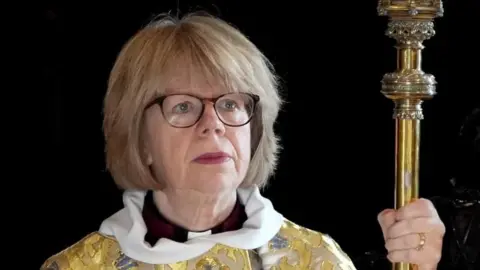
The ongoing tensions within the Anglican Communion underscore the deep ideological divisions that have plagued the Church in recent years. As the debate over issues such as LGBTQ+ inclusion and the role of women in leadership continues, the leadership of the Church of England, under Mullally's guidance, will likely face further challenges from conservative factions both within and outside the institution.
Source: BBC News


