
Cravat Man Steals Show at Parliamentary Hearing

Wiltshire councillor Andrew Edwards' distinctive neckwear captivates viewers during Olly Robbins' livestreamed parliamentary grilling. Discover the story behind the viral moment.
In what was expected to be a high-stakes political confrontation, the livestreamed parliamentary grilling of Olly Robbins captured the attention of political enthusiasts and casual viewers alike across the United Kingdom. The former Foreign Office civil servant faced intense questioning from committee members regarding his role in critical government decisions. However, amid the serious proceedings and pointed inquiries, an unexpected figure managed to steal considerable attention from the main event—a meticulously dressed gentleman whose choice of neckwear became the unlikely star of the day.
Andrew Edwards, a Wiltshire town councillor, sat visibly throughout the livestreamed parliamentary proceedings, and his distinctive fashion choice did not go unnoticed by viewers monitoring the event. The cravat, that classic and somewhat old-fashioned accessory, became the subject of considerable online discussion and commentary. What might have been overlooked in previous eras of politics—where parliamentary hearings were conducted without live public viewing—became impossible to ignore in the age of digital streaming and social media engagement.
When asked about his sartorial selections, Edwards was refreshingly candid about his wardrobe preferences. "I've got a big collection," the town councillor explained, indicating that his appearance at the hearing was far from a one-off fashion statement. His collection of cravats suggested a deliberate and sustained commitment to this particular style choice, making him something of an expert in the art of formal neckwear coordination.

The phenomenon of Edwards becoming an unexpected viral talking point raises interesting questions about public attention and media focus during significant political moments. While Robbins' testimony was undoubtedly substantive and newsworthy, featuring crucial discussions about foreign policy decisions and governmental oversight, the visual elements of the proceedings captured imaginations in unexpected ways. This represents a broader trend in modern politics where appearance and presentation often intersect with substantive political discourse.
The parliamentary grilling itself was described as blockbuster viewing for political insiders and interested members of the general public. The sacked civil servant faced rigorous questioning about his tenure and the decisions made during his time in office. Nevertheless, the moment that resonated most prominently across social media platforms and online forums was not a particularly sharp exchange between questioner and respondent, but rather the quiet presence of a man dressed impeccably in formal attire, complete with a striking cravat.
Edwards' fashion statement inadvertently highlights how modern parliamentary proceedings have transformed in the digital age. Unlike previous generations where only written records and occasional photographs documented these events, today's livestreaming capability means that every detail—from facial expressions to clothing choices—is available for public scrutiny and commentary. This democratization of access has created new dynamics in how political events are consumed and discussed.
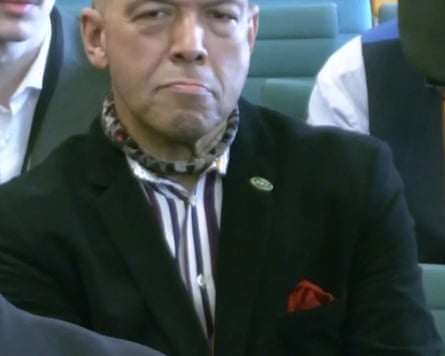
The cravat itself carries historical significance and cultural weight. This particular style of neckwear has been associated with formal occasions, diplomatic functions, and distinguished dress codes for generations. The garment represents a commitment to traditional formality and careful presentation—values that Edwards clearly embraces in his public appearances and professional life as a town councillor. His collection suggests that he views the cravat not merely as an accessory but as an essential element of proper formal presentation.
The reaction to Edwards' appearance demonstrates the power of visual narratives in contemporary politics. In an era where political discourse can feel overwhelming and complex, with numerous policy positions and governmental decisions to parse and understand, a simple visual element like an unusual choice of formal neckwear provides a point of cultural connection and collective attention. Social media users, journalists, and observers all found themselves discussing and analyzing this fashion choice with genuine interest and amusement.
The livestreaming of parliamentary proceedings represents a significant shift in governmental transparency and public engagement. Where once only committed political observers would attend or follow such events in detail, the availability of live video feeds means that broader audiences now have access to parliamentary activities. This expanded viewership inevitably brings different perspectives and interests to bear on proceedings, sometimes focusing attention on unexpected elements of the experience.
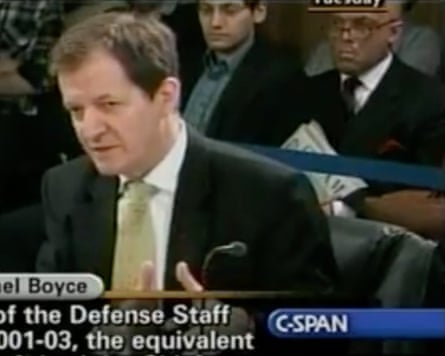
Andrew Edwards' brief moment in the spotlight, despite it being somewhat tangential to the main event's intended focus, illustrates how modern media consumption works in practice. Viewers watching the Robbins hearing may have been equally interested in the substance of the questioning and the responses provided, but the distinctive visual element of the cravat provided a memorable hook for discussion and sharing. This phenomenon is not unique to parliamentary proceedings; it reflects broader patterns in how information and entertainment are processed in the digital age.
The Wiltshire councillor's willingness to discuss his collection openly when asked speaks to a confidence in his fashion choices and a recognition that personal style and formal professional appearance matter in public settings. His collection of cravats appears to represent not a whimsical eccentricity but rather a deliberate approach to dressing well and maintaining high standards of formal presentation. For Edwards, the cravat is clearly an essential component of proper parliamentary attire.
As the dust settles on the Robbins parliamentary grilling, the lasting image for many viewers will not be a particular moment of challenging testimony or a significant policy revelation, but rather the sight of Andrew Edwards, town councillor from Wiltshire, sitting attentively in his carefully selected cravat. This serves as a reminder that in our complex modern world, sometimes the most memorable aspects of significant events are the smallest and most unexpected details.
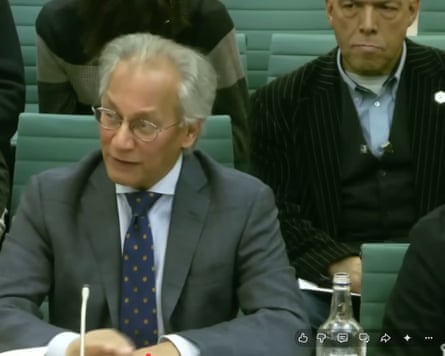
The story of "cravat man" will likely endure as a footnote to the Robbins hearing, a moment of levity and human interest amid serious political discourse. It demonstrates that parliamentary proceedings, even when addressing weighty matters of state and government accountability, can still contain moments of unexpected charm and entertainment. Andrew Edwards, whether intentionally or not, provided viewers with a memorable detail that transcended the typical parameters of political coverage and discussion.
Source: The Guardian


