
Cuba Faces Severe Energy Crisis Amid Oil Shortage

Cuba's energy minister warns of an 'extremely tense' situation as diesel and oil supplies dwindle due to US blockade, causing widespread power cuts across the island nation.
Cuba is grappling with a severe energy crisis that has pushed the Caribbean island nation to the brink of an unprecedented fuel emergency. The country's energy minister has made alarming statements regarding the critical shortage of diesel and oil, declaring that the situation has become extremely tense as supplies continue to dwindle at an alarming rate. This fuel scarcity has already triggered widespread power cuts affecting homes, businesses, and essential services across the island, impacting the daily lives of millions of Cubans who are struggling to cope with extended blackouts.
The root cause of this catastrophic fuel shortage stems largely from the long-standing US blockade that has severely restricted Cuba's ability to access international oil markets and maintain reliable energy imports. The economic embargo, which has been in place for decades, continues to limit the island's trading partners and access to petroleum products that are essential for maintaining the nation's power infrastructure. This geopolitical constraint has created a perfect storm of energy challenges, leaving Cuban authorities with few viable options to address the mounting crisis.
The impact of the energy emergency extends far beyond simple inconvenience, affecting critical infrastructure including hospitals, water treatment facilities, and telecommunications systems that depend on consistent power supply. Power outages lasting several hours or even entire days have become increasingly common across urban and rural areas, disrupting medical services, food storage, and economic productivity. Citizens report that blackouts often occur during peak hours, creating dangerous conditions and hampering efforts to maintain essential services in a nation already struggling with economic hardship.
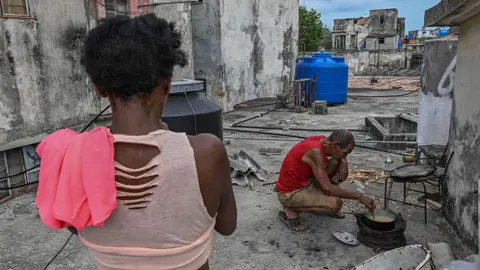
The government has warned that the diesel shortage shows no signs of improving in the near term, with officials suggesting that the crisis could persist for months or even longer without significant changes to international relations or unexpected new supply sources. Energy rationing has become a daily reality for ordinary Cubans, who must plan their activities around unpredictable schedules of electricity availability. The oil crisis has forced authorities to implement rotating power cuts designed to distribute the burden somewhat equitably across different regions, though the effectiveness of these measures remains questionable.
Cuba's reliance on imported fuel has made the nation particularly vulnerable to external shocks and geopolitical pressures, a dependency that has been exacerbated by years of economic mismanagement and declining domestic production. The country once benefited from subsidized oil imports from Venezuela, but declining Venezuelan output and political tensions have reduced this critical lifeline significantly. Without access to traditional energy imports and facing restrictions on alternative suppliers, Cuba finds itself in an increasingly dire situation with limited pathways toward resolution.
The industrial and commercial sectors have been hit especially hard by the ongoing energy crisis, with factories forced to reduce production, tourism operations curtailed, and small businesses struggling to maintain operations. The agricultural sector, already challenged by limited resources and outdated equipment, faces additional pressure as fuel shortages prevent farmers from accessing mechanized equipment and transporting goods to market efficiently. This compounding of economic difficulties threatens to deepen poverty and food insecurity among Cuba's population.
Public health concerns have emerged as hospitals struggle to maintain consistent power for critical medical equipment, refrigeration of medications, and life-sustaining machinery like dialysis machines and ventilators. Healthcare workers report having to make difficult decisions about resource allocation when power is rationed, potentially compromising patient care during already stressful situations. The energy crisis compounds existing challenges in Cuba's healthcare system, which has long struggled with limited medical supplies and aging infrastructure.
The government has appealed for international assistance and has explored alternative energy sources, including increased reliance on renewable energy projects and efforts to improve energy efficiency across the economy. Solar power initiatives have been accelerated in recent months, though these projects require significant capital investment and time to implement effectively. Wind energy projects have also been proposed as part of a long-term strategy to reduce dependence on imported fossil fuels, but immediate relief from these sources remains years away.
Citizens have become accustomed to adapting their daily routines around power availability, with residents relying on generators, battery-powered devices, and alternative lighting sources during blackouts. Communities have begun developing local coping mechanisms, including sharing resources and coordinating activities to maximize productivity during hours when power is available. However, these informal solutions cannot address the systemic nature of the energy crisis or provide sustainable long-term relief for the population.
International observers have characterized the situation as a humanitarian concern, noting that prolonged energy shortages can lead to serious public health consequences and economic deterioration. The United Nations and various humanitarian organizations have expressed concern about the potential for the crisis to worsen without external assistance or significant policy changes regarding the international blockade. Some analysts argue that the embargo itself requires reassessment given the human costs associated with the energy crisis and its cascading effects on public welfare.
Looking forward, Cuba faces a complex challenge requiring solutions on multiple fronts, from diplomatic efforts to address international trade restrictions to domestic investments in alternative energy infrastructure and efficiency improvements. The immediate situation remains dire, with the energy minister's warnings serving as a stark reminder of the fragility of the island's energy security and the urgent need for comprehensive solutions to address this multifaceted crisis.
Source: BBC News


