
Damning Report Exposes Escape Issues at Australian Immigration Detention Centers Under US Firm

A new report finds at least 12 escapes since a US private prison operator took over Australia's immigration detention network, including a high-risk detainee placed in an unsecured vehicle.
A scathing new report from the National Preventive Mechanism (NPM), Australia's prisons watchdog, has uncovered a series of troubling issues at the country's immigration detention centers since a US private prison operator, Management and Training Corporation (MTC), took over management of the facilities.
The report reveals that at least 12 escapes have occurred since MTC began running the detention network, including a harrowing incident where a high-risk detainee was mistakenly placed in an unsecured Kia Carnival with a makeshift weapon. This alarming breach of security highlights the critical staffing and operational problems plaguing the centers under MTC's control.
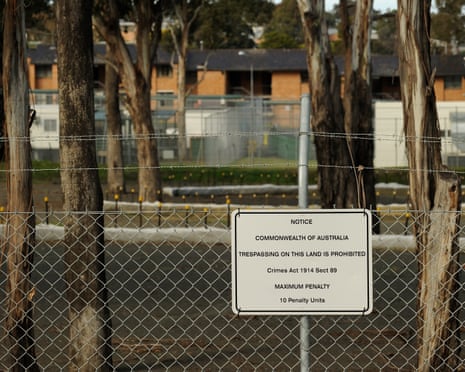
According to the NPM's findings, staffing levels at the detention centers have reached critical levels under MTC's management. This has led to a breakdown in basic safety and security protocols, putting both detainees and staff at risk.
The report paints a damning picture of the US firm's stewardship of Australia's immigration detention system. It comes as the government faces increasing scrutiny over its treatment of asylum seekers and migrants, with concerns raised about the human rights implications of the country's hardline policies.
The NPM's investigation uncovered a litany of other issues, including poor medical care, inadequate mental health support, and a general lack of oversight and accountability. These systemic problems have eroded the well-being and safety of detainees, many of whom are already in vulnerable situations.
The findings of this report have reignited the debate around the use of private contractors to manage sensitive government functions, such as immigration detention. Critics argue that the profit motive of these firms can lead to cost-cutting measures that compromise the quality of care and security provided to detainees.
As the Australian government grapples with the fallout from this damning report, it will be under increasing pressure to address the human rights concerns and operational failures within the immigration detention system. The future of MTC's involvement, and the broader policies surrounding the treatment of asylum seekers and migrants, will likely be a key focus of ongoing political and public scrutiny.


