
Daredevil: Born Again Season 2 Review

Marvel's Daredevil: Born Again season 2 delivers darker, grittier storytelling as Matt Murdock and Wilson Fisk clash in New York.
Marvel's Daredevil: Born Again has triumphantly returned for its second season, maintaining the momentum and critical acclaim that made the show's debut a standout success within the MCU's Phase Six slate. The sophomore installment continues to build upon the foundation established in season one, delivering the darker and grittier tone that fans have come to expect from this reimagining of the beloved Netflix Defenders universe. With the second season now concluded and production already underway on a highly anticipated third installment, the series solidifies itself as one of Marvel Studios' most compelling and character-driven offerings.
From the very beginning, Daredevil: Born Again was conceived as a story of fundamental conflict between two iconic characters trying to navigate redemption and power in different ways. Matt Murdock, portrayed brilliantly by Charlie Cox, finds himself at a crossroads between his dual identities—the blind lawyer seeking justice through the legal system and the masked vigilante operating in the shadows of Hell's Kitchen. Simultaneously, Wilson Fisk, brought to menacing life by Vincent D'Onofrio, pursues a dramatic reinvention of himself as the newly elected mayor of New York City, attempting to distance himself from his criminal empire and legitimize his power through political office.
This central tension between Murdock's desire to abandon his Daredevil persona in favor of a legitimate legal career and Fisk's manipulative attempts to gain respectability through politics creates the narrative backbone that propels season two forward. The show explores whether true redemption is possible for individuals who have operated in moral gray zones, and whether genuine change can be achieved when both characters continue to wield power in fundamentally different but equally dangerous ways. The conflict transcends simple hero-versus-villain dynamics, instead presenting two complex figures whose ideologies, methodologies, and endgames remain at odds despite their respective attempts at transformation.
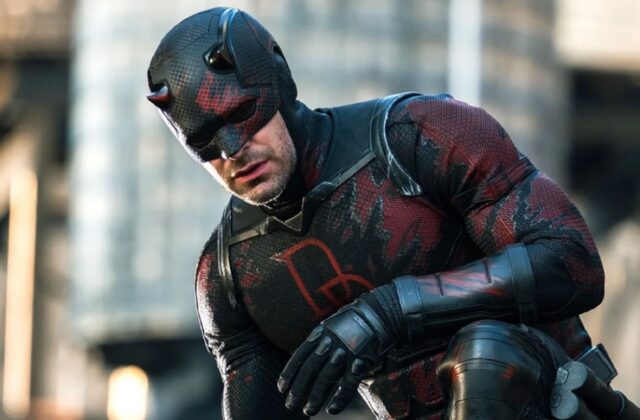
The second season deepens the psychological exploration of both protagonists while introducing new challenges that test the boundaries of their convictions. As Murdock attempts to concentrate exclusively on his law practice and leave vigilantism behind, circumstances conspire to draw him back into conflict with Fisk and the criminal underworld that continues to plague New York's streets. The show masterfully balances intimate character moments with larger-scale action sequences, creating a layered narrative that satisfies both viewers seeking emotional depth and those craving explosive superhero spectacle.
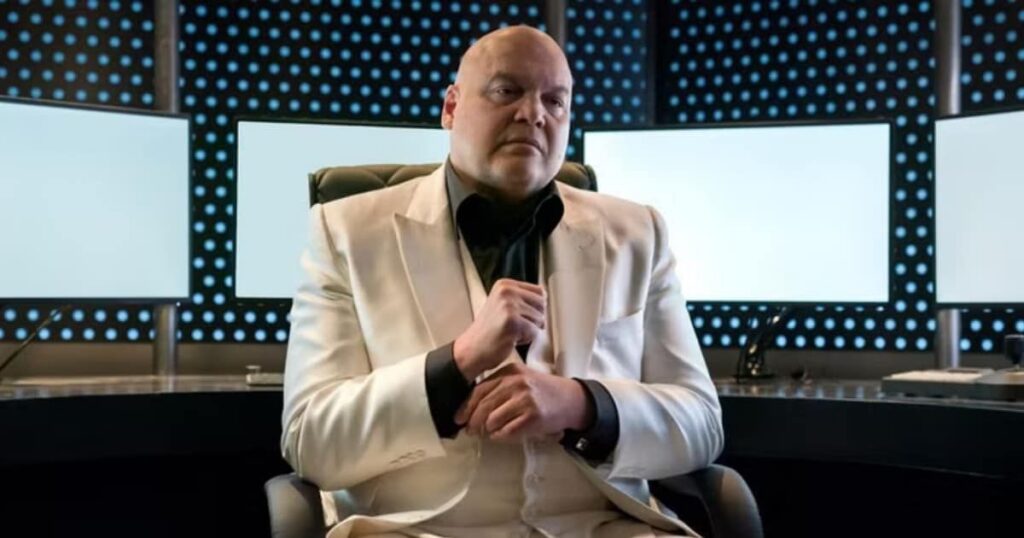
Vincent D'Onofrio's portrayal of Wilson Fisk continues to be one of the show's greatest assets, bringing nuance and complexity to a character who could easily become one-dimensional. His journey from ruthless crime boss to ambitious politician reveals layers of motivation and vulnerability beneath the surface of his menacing exterior. D'Onofrio excels at depicting Fisk's internal conflict between his instinctive brutality and his genuine desire to legitimize himself through political power, creating a villain who remains sympathetic even when his actions are undeniably reprehensible.
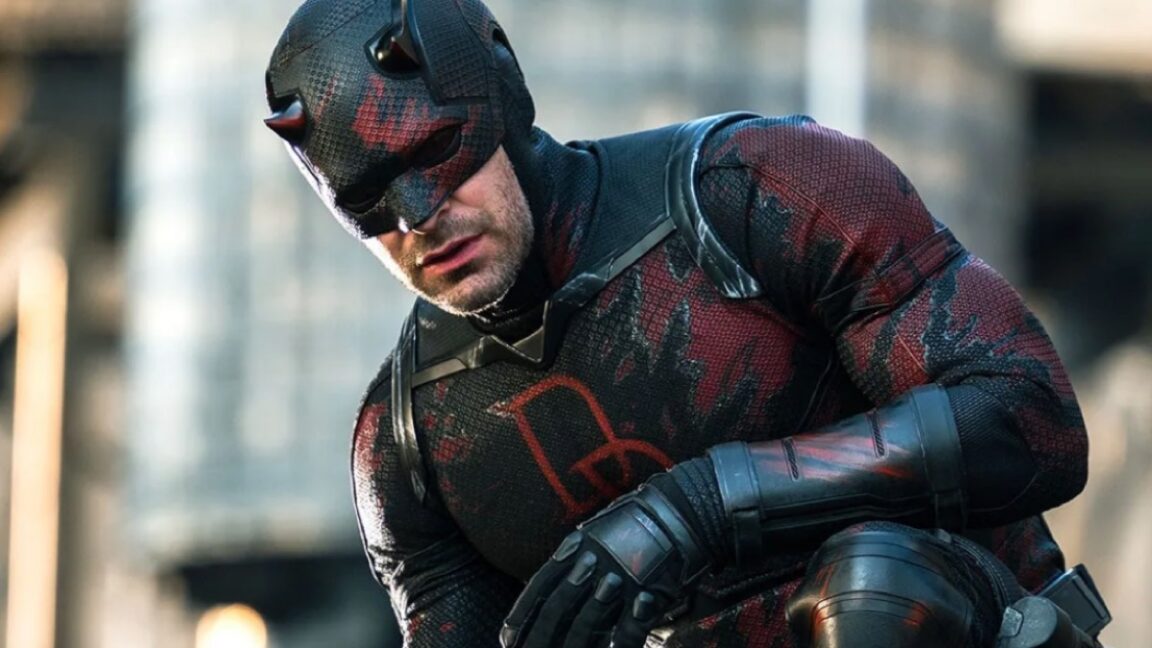
Charlie Cox's interpretation of Matt Murdock has evolved significantly across the show's runtime, and season two showcases his versatility as an actor navigating the character's internal struggle between his two identities. Cox brings vulnerability and determination to Murdock's scenes in the courtroom, while also delivering the physical prowess and tactical precision required for the show's well-choreographed action sequences. His chemistry with D'Onofrio creates electric tension whenever their characters share screen time, making their confrontations feel consequential and fraught with genuine danger.
The visual storytelling of Daredevil: Born Again season two represents a significant leap forward from previous iterations of the character on screen. The cinematography embraces the darker aesthetic that defines the show, with shadowy lighting, muted color palettes, and compositions that emphasize the moral ambiguity of the narrative. The camera work during action sequences prioritizes clarity and impact, allowing viewers to appreciate the intricate choreography and stunt work without relying on excessive quick cuts or disorienting editing techniques.
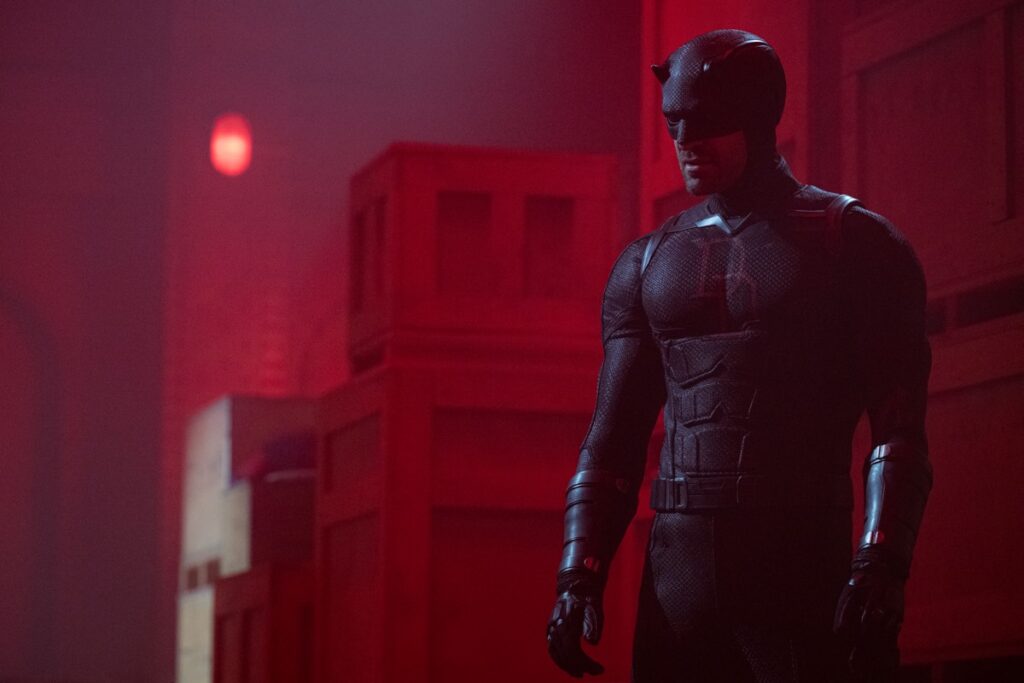
The supporting cast deserves recognition for their contributions to the show's overall excellence. The ensemble of characters populating Matt Murdock's world—including allies, adversaries, and morally complicated figures—adds depth and texture to the narrative landscape. These secondary characters aren't mere plot devices; they serve as thematic mirrors to the central conflict between Murdock and Fisk, each representing different responses to the moral quandaries posed by power, justice, and redemption in a corrupt city.
The writing of season two demonstrates a sophisticated understanding of Marvel's broader cinematic universe while maintaining the show's grounded, street-level focus. The series doesn't rely on references to cosmic threats or multiversal implications to drive its narrative; instead, it grounds its storytelling in the tangible consequences of violence, corruption, and personal choice. This approach distinguishes Daredevil: Born Again from many other MCU properties and contributes to its distinctive identity within the larger franchise.
As the show progresses toward its third season, viewers will find themselves deeply invested in the trajectories of its central characters and the broader implications of their ongoing conflict. The second season plants seeds for future developments while providing satisfying character arcs and narrative payoffs that reward long-time fans of the series. The critical acclaim surrounding the season reflects both the quality of the storytelling and the expert execution of the creative vision established in season one.
The MCU's Phase Six benefits immeasurably from the presence of Daredevil: Born Again, a series that demonstrates Marvel Studios' commitment to character-driven storytelling and artistic ambition. As the broader Marvel Cinematic Universe continues to expand in multiple directions, this show serves as a reminder that the most compelling superhero narratives often emerge when creators prioritize emotional authenticity and thematic resonance over spectacle alone.
Source: Ars Technica


