
Deadlock in Washington Drags On as Congress Fails to Resolve DHS Shutdown

The partial government shutdown over DHS funding continues as the House takes no action on a compromise bill passed by the Senate, prolonging the impasse.
Congress remains locked in a stalemate over funding for the Department of Homeland Security (DHS), as the US House of Representatives failed to take any action on a compromise measure that was passed by the Senate. This inaction raises serious questions about how much longer the record-breaking funding lapse will continue, leaving the critical agency without the resources it needs to carry out its vital national security responsibilities.
The DHS has been operating without funding since mid-February, after Democrats refused to vote for its appropriations unless Republicans agreed to new safeguards and restrictions on federal agents involved in immigration enforcement operations. This partisan standoff has resulted in a partial government shutdown, with hundreds of thousands of DHS employees either furloughed or working without pay.
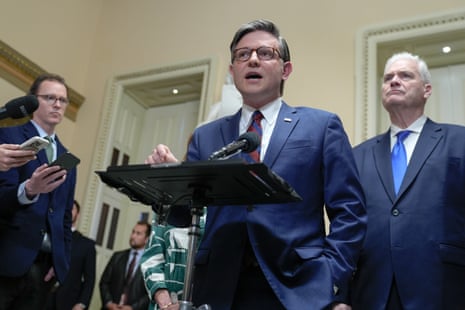
Despite an apparent agreement between congressional Republican leaders and the White House on a compromise deal, the House has yet to take any action on the Senate-passed funding plan. This inaction is further exacerbating the uncertainty and disruption caused by the shutdown, as federal agencies and the public alike await a resolution to the impasse.
Analysts warn that the prolonged DHS funding crisis could have serious consequences for national security, as the agency's critical functions, such as border protection, immigration enforcement, and disaster response, are being hampered by the lack of resources. Additionally, the uncertainty surrounding the agency's future is taking a toll on employee morale and retention, which could further undermine its ability to fulfill its mission.
As the shutdown drags on, both parties are likely to face increased pressure from constituents and stakeholders to find a solution. However, the deep partisan divisions and political posturing that have characterized the negotiations so far suggest that a quick resolution may not be forthcoming. Observers will be closely watching the developments in the coming days and weeks to see if the House takes action on the Senate-passed compromise, or if the impasse continues to deepen.
Regardless of the outcome, the DHS funding crisis serves as a stark reminder of the dysfunction and gridlock that have plagued the US Congress in recent years, and the urgent need for lawmakers to find a way to work together to address the pressing issues facing the nation.


