
Deaths Now Outnumber Births: A Global Crisis

As deaths exceed births in developed nations, countries face unprecedented demographic shifts. Explore the social and economic consequences of population decline worldwide.
The demographic landscape of the developed world is undergoing a profound transformation that will reshape societies for generations to come. Population decline is no longer a theoretical concern confined to academic discussions—it is a present-day reality affecting countries across Europe, Asia, and beyond. The convergence of increasing life expectancy and declining birth rates has created a situation where deaths are beginning to outnumber births in numerous nations, triggering cascading social and economic consequences that governments and communities are only beginning to understand.
Japan has emerged as perhaps the most visible example of this demographic inversion, where the aging population has given rise to entirely new industries shaped by the realities of an aging society. Elderly care services have proliferated, including specialized cleaning companies that focus specifically on the tragic phenomenon of elderly individuals passing away and remaining undiscovered for extended periods. The cultural and health implications of these services underscore a broader isolation problem affecting senior citizens. Remarkably, sales of adult incontinence pads have substantially exceeded traditional baby nappy sales for over a decade, a stark indicator of where consumer demand now lies in the Japanese market.
Across Europe, the effects of declining birth rates are becoming increasingly visible in the physical landscape and infrastructure. Italy, facing severe depopulation in rural regions, has implemented creative yet desperate measures to reverse population flight. Entire villages are now offering homes for as little as €1 to prospective residents, with the primary goal of maintaining sufficient population to keep essential services operational. These initiatives reflect the urgent need for communities to maintain viable populations, as the costs of maintaining schools, hospitals, and utilities become economically unsustainable with shrinking populations.

The United Kingdom provides another compelling case study in how population decline directly impacts critical public institutions. Educational systems across parts of England are experiencing significant disruptions as falling pupil enrollment forces the closure of primary schools and individual classrooms. London and other regions have seen dozens of educational institutions shut their doors, leaving families with reduced options and communities with empty school buildings. These closures represent far more than simple administrative adjustments; they reflect the dissolution of community infrastructure that has served families for generations.
Prof Sarah Harper, the distinguished director of the Oxford Institute of Population Ageing, has provided sobering statistics that underscore the scale of this transformation. According to her research, during 2024 alone, an alarming 21 of the 27 European Union member states recorded more deaths than births. This represents a fundamental demographic shift across most of the European continent, signaling that aging populations now far outnumber younger generations entering adulthood. The implications extend well beyond simple population numbers—they touch on workforce participation, pension sustainability, healthcare capacity, and the fundamental character of these societies.
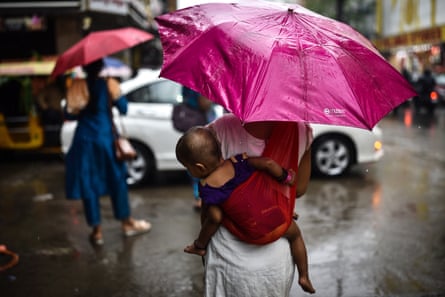
The phenomenon is far from limited to Europe. Across Asia, economically developed nations are experiencing similar or even more acute demographic challenges. Japan and South Korea, both highly industrialized nations with some of the world's highest life expectancies, have seen their populations decline in recent years. South Korea's birth rate has fallen to levels so low that demographers have expressed grave concerns about the nation's long-term economic viability. The cultural, economic, and psychological factors driving these historically low birth rates remain complex, involving everything from career pressures and housing costs to shifting attitudes toward family formation.
In the Americas, countries like Cuba and Uruguay are also navigating the same demographic waters, experiencing more deaths than births and the associated challenges. These nations must grapple with how to sustain social programs, maintain economic productivity, and support growing elderly populations with smaller working-age cohorts contributing to tax bases. The challenges are particularly acute in developing nations with less robust social safety nets and fewer resources to adapt quickly.

Economic implications of this demographic shift are staggering and multifaceted. Fewer workers supporting larger numbers of retirees creates obvious strain on pension systems and social insurance programs. Healthcare systems must adapt to treating populations with chronic age-related diseases, requiring substantial resource reallocation. Consumer demand patterns shift dramatically when elderly citizens comprise a larger percentage of the population, affecting everything from housing markets to entertainment industries. Labor shortages emerge in critical sectors, potentially requiring immigration policies that many countries find politically contentious.
The psychological and social dimensions of aging societies deserve equal attention to economic concerns. Higher rates of elderly isolation, depression, and loneliness have been documented in countries experiencing rapid aging. Family structures have transformed as traditional multigenerational households become less common, leaving elderly citizens without the informal caregiving networks that previous generations relied upon. Communities lose the vibrancy and energy that younger populations typically provide, potentially creating a feedback loop where declining social vitality further discourages younger people from remaining or starting families in these regions.
Adaptation strategies vary considerably across different nations, reflecting their unique cultural values, economic resources, and political systems. Some countries are investing heavily in eldercare infrastructure, robotics, and technology solutions to address labor shortages. Immigration has become a contentious but necessary strategy for many developed nations seeking to maintain their working-age populations. Others are attempting to incentivize higher birth rates through subsidies, housing support, and extended parental leave policies, though the long-term effectiveness of such measures remains uncertain.
The intersection of demographic trends and policy responses will fundamentally shape the future of these societies. Countries that successfully adapt to demographic realities while maintaining quality of life for both elderly and younger populations may serve as models for others. Those that fail to plan adequately risk economic stagnation, social fragmentation, and a diminishing capacity to fund essential services. The challenge is not merely to accept demographic decline, but to fundamentally reimagine how societies function when the traditional population pyramid is inverted.
Understanding these population trends is essential for policymakers, business leaders, and citizens alike. The decisions made in coming years will determine whether developed nations can maintain prosperous, stable societies or whether they will experience unprecedented social and economic disruption. The urgency of addressing this challenge cannot be overstated, as demographic trends are among the most predictable of all social phenomena—we know with certainty that today's young people are tomorrow's elderly, and current birth rates determine future working-age populations.
Source: The Guardian


