
Did Starmer's Olly Robbins Dismissal Backfire?

Analysis of Keir Starmer's Commons statement and Olly Robbins' testimony regarding Peter Mandelson's US ambassador vetting controversy.
The political landscape shifted dramatically this week following Keir Starmer's address to Parliament and the compelling testimony delivered by former top civil servant Olly Robbins. The controversy surrounding Peter Mandelson's vetting for his appointment as UK ambassador to the United States has dominated headlines since the Guardian's initial revelation last Thursday, raising serious questions about the government's handling of senior diplomatic appointments and internal processes.
The dismissal of Robbins, a highly respected figure within the civil service establishment, sparked immediate controversy among political observers and seasoned Westminster insiders. His subsequent public testimony has provided extraordinary insight into the inner workings of government decision-making at the highest levels. The sequence of events has unfolded with considerable drama, revealing deep divisions within the administration and raising troubling questions about how the Prime Minister's office conducts crucial vetting procedures.
In a comprehensive discussion, political correspondents Pippa Crerar and Kiran Stacey examine the evolving story with expert analysis and contextual understanding. Their podcast exploration delves into how the narrative has developed throughout the week, examining the implications of Starmer's dismissal decision and what Robbins' testimony reveals about the controversial vetting process. The conversation provides crucial insight into whether the Prime Minister's actions have strengthened or weakened his position regarding this significant controversy.
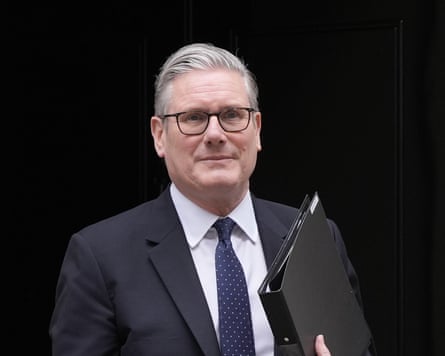
The Mandelson vetting controversy represents one of the most significant challenges to face the current government, with far-reaching implications for how the administration manages senior appointments. The involvement of a figure as prominent and experienced as Mandelson adds additional weight to the situation, given his long history in British politics and international diplomacy. The vetting process itself has come under intense scrutiny, with questions raised about procedural compliance and appropriate oversight mechanisms.
Robbins' removal from his position came as a shock to many observers within Westminster and the broader civil service community. His departure raised immediate speculation about the causes and motivations behind such a dramatic action by the Prime Minister. The timing of his dismissal, coupled with his subsequent willingness to speak publicly about the affair, has created a narrative that continues to capture media attention and parliamentary focus.
The Guardian's original reporting provided the initial spark for this unfolding crisis, with detailed investigations revealing significant details about the vetting process and its potential irregularities. This investigative journalism prompted swift responses from government officials and intensified scrutiny of the procedures governing diplomatic appointments. The revelations suggested potential problems with how such important positions are evaluated and approved.
During his Commons statement, Starmer attempted to address the mounting concerns and explain the government's position on the appointment and subsequent dismissal. His remarks were carefully crafted to justify the decision while attempting to maintain public confidence in the government's judgment and competence. However, observers noted that his explanation left numerous questions unanswered and failed to fully address the underlying issues that Robbins would later elaborate upon.
Robbins' testimony has proven particularly damaging, as his insider perspective on the vetting procedures provides credible detail about how decisions were made and implemented. As a respected civil servant with deep experience in government operations, his account carries significant weight and authority. His willingness to speak publicly suggests serious concerns about the propriety of how he was treated and the substance of the decisions made regarding Mandelson's appointment.
The ambassador appointment process typically involves rigorous vetting procedures designed to ensure that individuals elevated to such prominent diplomatic roles meet stringent standards of conduct, integrity, and suitability. Questions have emerged about whether these established procedures were properly followed in Mandelson's case, or whether exceptional circumstances or political considerations may have influenced the process in inappropriate ways. The integrity of these systems remains central to the ongoing debate.
Crerar and Stacey's podcast analysis examines the strategic implications of Starmer's decision to dismiss Robbins, considering whether this action has enhanced or damaged the Prime Minister's credibility. Political strategists are divided on whether the dismissal was a calculated move to control the narrative or a decision that has backfired by drawing further attention to underlying problems. The couple's thoughtful examination weighs these competing interpretations against the evidence presented throughout the week.
The broader implications of this controversy extend beyond the immediate question of Mandelson's suitability for the ambassadorial position. The incident raises important questions about civil service independence and the appropriate relationship between political leadership and permanent government staff. If career officials can be dismissed for challenging or questioning political decisions, this could have chilling effects on the willingness of civil servants to provide honest counsel to their political masters.
Throughout Westminster, observers continue to assess how this scandal might influence broader perceptions of the Starmer government's competence and judgment. The handling of the crisis will likely shape public and parliamentary opinion on the administration's ability to manage sensitive matters with appropriate discretion and integrity. The political consequences could extend well beyond this single appointment controversy.
The podcast discussion provides essential context for understanding how this story has evolved and what the various developments suggest about the current state of British politics and government. Listeners gain valuable perspective on the intersection of diplomatic appointments, civil service procedures, and political decision-making at the highest levels. The analysis helps clarify the key issues at stake and the different interpretations of recent events that circulate among political observers and policymakers.
Source: The Guardian


