
Dragonfly Crisis: India's Western Ghats Face Species Decline

Scientists warn of alarming dragonfly and damselfly population decline in India's Western Ghats, a critical ecological hotspot. New study reveals threats to aquatic biodiversity.
A comprehensive new study has raised critical concerns about the alarming decline of dragonfly and damselfly species across India's Western Ghats, one of the world's most biodiverse regions and a UNESCO World Heritage Site. Research teams conducting extensive field surveys have documented significant population decreases among these ancient aquatic insects, prompting scientists to issue urgent warnings about the ecological implications for this vital ecosystem. The findings underscore growing threats to aquatic biodiversity in one of Asia's most ecologically significant mountain ranges, stretching over 1,600 kilometers along India's southwestern coast.
The Western Ghats represent a treasure trove of biological diversity, hosting thousands of endemic species found nowhere else on Earth. This region has been recognized internationally as a biodiversity hotspot due to its exceptional concentration of plant and animal species, many of which are critically endangered. The mountains receive abundant monsoon rainfall, creating ideal conditions for diverse freshwater ecosystems that support complex food webs and numerous interconnected species. However, this delicate balance is increasingly threatened by human activities and environmental degradation, making the recent dragonfly population decline a concerning indicator of broader ecological stress.
Dragonflies and damselflies, scientifically classified as Odonata, serve as essential bioindicators for freshwater ecosystem health. These insects spend the majority of their life cycles in aquatic environments, making them particularly sensitive to water quality changes, habitat destruction, and pollution. Their presence or absence can provide valuable information about the overall condition of streams, rivers, and wetlands. Scientists have long recognized these charismatic insects as reliable indicators of environmental change, and their declining numbers often signal deeper problems within aquatic habitats that may eventually affect other species, including fish, amphibians, and birds.
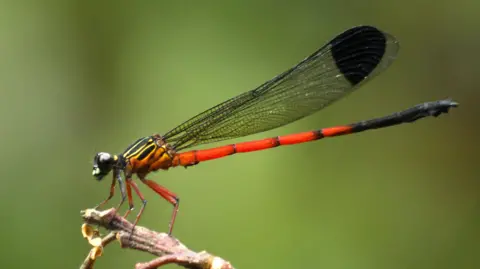
The research team conducted systematic surveys across multiple sites throughout the Western Ghats, documenting species composition, population sizes, and distribution patterns over an extended observation period. Researchers employed standardized sampling methodologies to ensure consistency and reliability of data collection across diverse habitat types and elevations. The study compared contemporary findings with historical records and previous research, revealing measurable declines in both species richness and individual population numbers. Some species previously common in certain areas have become increasingly rare or completely absent, suggesting localized extinctions and range contractions among vulnerable populations.
Several interconnected factors are driving the observed decline in dragonfly populations across the Western Ghats region. Habitat loss and fragmentation, primarily resulting from agricultural expansion, urban development, and infrastructure projects, have destroyed critical breeding and foraging areas. Streams and wetlands have been diverted, dammed, or filled for human use, eliminating essential aquatic habitats where dragonflies complete their larval development. Additionally, water pollution from agricultural runoff, industrial discharge, and domestic sewage has degraded water quality in many freshwater systems, directly harming dragonfly larvae and reducing the availability of aquatic invertebrate prey populations that adult dragonflies depend upon for nutrition.
Climate change introduces another layer of complexity to the conservation challenge facing dragonfly populations. Shifting precipitation patterns, altered temperature regimes, and changing seasonal cycles disrupt the carefully timed developmental requirements of these temperature-sensitive insects. Some species have very specific temperature requirements for proper larval development, and warming trends may push conditions outside their physiological tolerance ranges. Additionally, altered rainfall patterns affect water flow in streams and the water levels in lakes and ponds, potentially leaving dragonfly nymphs stranded or creating conditions unsuitable for their growth and survival.
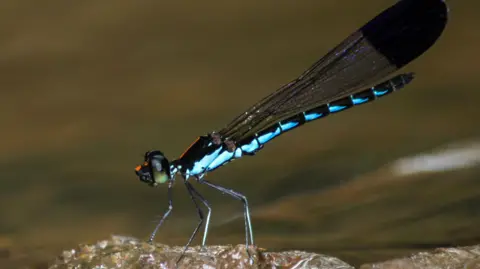
The ecological consequences of dragonfly decline extend far beyond the insects themselves, affecting multiple trophic levels within the Western Ghats ecosystem. Adult dragonflies serve as important food sources for birds, spiders, and other predators, while their aquatic nymphs constitute a major portion of the diet for fish populations and aquatic birds. Reduction in dragonfly abundance could trigger cascading effects through food webs, potentially affecting larger predators and ultimately impacting ecosystem balance. Furthermore, dragonflies are voracious predators of mosquito larvae and other aquatic insects, playing a crucial role in natural pest control that benefits both wildlife and human communities in the region.
Conservation experts emphasize that reversing dragonfly population declines requires comprehensive and multifaceted approaches addressing the root causes of habitat degradation. Establishing and maintaining networks of protected freshwater habitats, including streams, wetlands, and ponds, is essential for providing refuge and breeding grounds for dragonfly populations. Water resource management practices must be reformed to ensure adequate minimum flows in rivers and streams while maintaining natural seasonal fluctuations that many species depend upon. Additionally, reducing agricultural pollution through promotion of sustainable farming practices and implementing stricter regulations on industrial waste discharge could significantly improve water quality throughout the region.
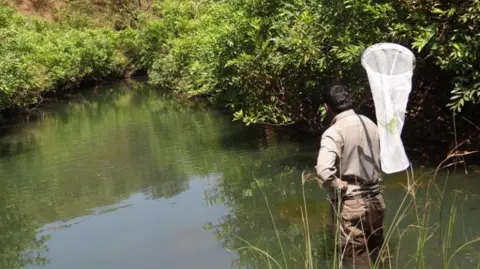
The study's findings have prompted calls for enhanced biodiversity monitoring programs and increased investment in conservation research focused on understanding specific threats to vulnerable species. Scientists recommend establishing baseline population surveys and long-term monitoring initiatives to track trends and evaluate the effectiveness of conservation interventions. Education and awareness campaigns targeting local communities, policymakers, and stakeholders are critical for building support for conservation measures and promoting understanding of the ecological importance of these remarkable insects. International collaboration and knowledge sharing among researchers can accelerate the development of evidence-based conservation strategies applicable across the broader Asian region.
Local communities and indigenous peoples of the Western Ghats have traditionally maintained sustainable relationships with their environment, and their participation in conservation planning is essential for long-term success. Traditional ecological knowledge about local species, seasonal patterns, and sustainable resource management practices can complement scientific approaches and provide valuable insights for developing culturally appropriate conservation solutions. Supporting community-based conservation initiatives and creating economic incentives for habitat protection can help align local livelihoods with environmental conservation objectives.
The Western Ghats dragonfly study exemplifies the broader challenge of protecting threatened species in biodiversity hotspots facing mounting anthropogenic pressures. As human populations continue to expand and economic development intensifies, the pressure on natural ecosystems increases exponentially. The rapid decline of dragonfly and damselfly populations serves as a wake-up call for immediate and decisive conservation action before additional species slip toward extinction. The urgency of this situation demands that policymakers prioritize freshwater ecosystem conservation and integrate biodiversity protection into development planning and land-use policies.
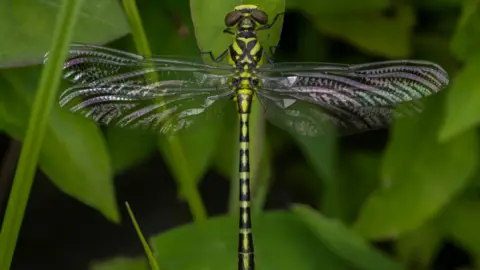
Moving forward, the scientific community continues to investigate specific mechanisms driving population declines and testing potential intervention strategies. Research into the temperature and water quality preferences of different dragonfly species can inform habitat restoration efforts and help identify priority areas for protection. Experimental studies on the impacts of different contaminants and habitat modifications provide crucial information for developing targeted management recommendations. This ongoing research effort represents a commitment to understanding and protecting the remarkable biodiversity of the Western Ghats for future generations.
Source: BBC News


