
Ebola Cases Surge in DRC as WHO Escalates Risk

WHO raises threat assessment to 'very high' as suspected Ebola cases triple in Democratic Republic of Congo within one week, reaching nearly 750 cases.
The Ebola outbreak in the Democratic Republic of the Congo has reached alarming levels, prompting the World Health Organization to escalate its threat assessment to "very high" status on Friday. Health officials have characterized the situation as "deeply worrisome," citing multiple compounding factors that are hampering containment efforts in the Central African nation. The rapid deterioration of the epidemic landscape has raised serious concerns about the potential for further regional spread and humanitarian catastrophe.
The scale of the DRC Ebola crisis has expanded dramatically in just seven days, with suspected cases now numbering approximately 750 compared to merely 246 cases reported just one week prior. This represents a tripling of confirmed and suspected infections in an extraordinarily short timeframe, indicating exponential growth in transmission rates. Similarly, suspected deaths have surged to 177 fatalities, more than doubling from the initial 65 deaths documented at the outbreak's first official report.
WHO officials have attributed the rapid escalation to multiple concurrent challenges facing response teams on the ground. The organization highlighted that aid cuts have significantly reduced resources available for outbreak containment, vaccination campaigns, and community education initiatives. Additionally, community distrust remains a critical obstacle, as some residents in affected areas remain skeptical of medical interventions and preventive measures, further complicating disease control efforts.
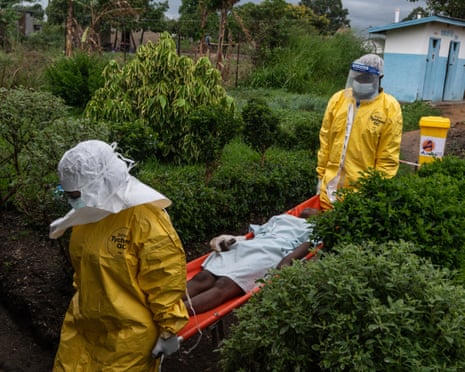
The Democratic Republic of the Congo has struggled with maintaining adequate funding for public health infrastructure even before this latest outbreak emerged. Budget constraints have left healthcare facilities ill-equipped to handle the influx of Ebola patients requiring intensive isolation and specialized treatment protocols. The shortage of properly trained medical personnel, protective equipment, and diagnostic facilities has created dangerous conditions that threaten both patients and healthcare workers attempting to combat the virus.
Community engagement has proven particularly problematic in this outbreak, with residents in some regions expressing deep skepticism toward government and international health authorities. Historical grievances stemming from previous medical interventions and perceived exploitation have fostered an environment of mistrust that threatens vaccination efforts and contact tracing operations. This sociological dimension of the crisis adds another layer of complexity to an already challenging epidemiological situation.
The Ebola virus responsible for the current outbreak is known for its devastating fatality rates, which can exceed 50% in certain strains. The virus spreads through direct contact with blood or body fluids of infected individuals, as well as through contaminated surfaces. Given the high population density in affected areas and limited healthcare infrastructure, transmission chains have proliferated rapidly throughout multiple provinces.
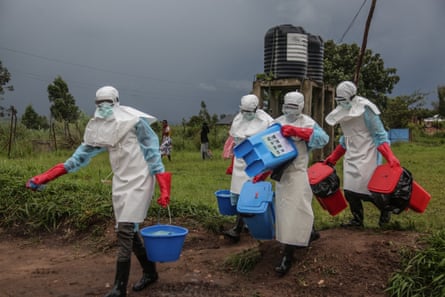
The WHO's revised threat assessment reflects growing concerns about the outbreak's potential trajectory and capacity for regional expansion. Officials emphasized that without substantial increases in funding, personnel deployment, and community cooperation, the epidemic could continue accelerating at its current alarming pace. The organization has called on international partners to increase support for response efforts and emphasized the critical importance of immediate action.
Healthcare workers deployed to affected regions face extraordinary risks despite protective measures. Many facilities lack adequate quarantine capacities, forcing staff to improvise containment strategies with limited resources. The psychological toll on responders has also increased as fatigue sets in during an extended outbreak response with uncertain duration and resolution timeline.
Vaccination campaigns, which have proven effective in previous Ebola outbreaks when properly implemented, have faced obstacles in rolling out at scale due to logistical challenges and vaccine hesitancy. Cold chain maintenance proves difficult in remote areas, and the complexity of reaching dispersed populations has limited immunization efforts. Strategic vaccination of healthcare workers and high-risk contacts should theoretically interrupt transmission chains, but implementation has lagged behind epidemiological needs.
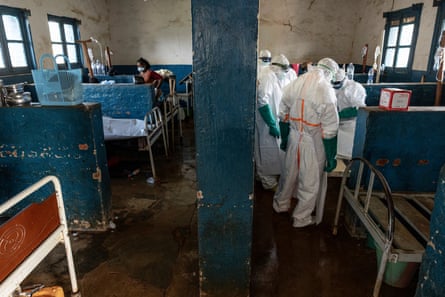
The economic impact of the outbreak extends beyond direct healthcare costs, affecting trade, employment, and food security across affected regions. Quarantine measures and movement restrictions have disrupted agricultural activities and market access for smallholder farmers already operating in fragile economic circumstances. Compounded by the severe funding shortages plaguing response efforts, the socioeconomic consequences continue mounting alongside the epidemiological crisis.
International attention to the outbreak, while increasing, has not yet translated into proportionate resource allocation relative to the scale of the emergency. The WHO has issued guidance emphasizing the need for coordinated multilateral action, including deployment of additional epidemiologists, laboratory technicians, and logistical support personnel. However, bureaucratic delays and competing global health priorities have constrained the speed of international response mobilization.
The situation in the Democratic Republic of the Congo underscores fundamental vulnerabilities in global disease surveillance and rapid response mechanisms. The nation's previous experience with Ebola outbreaks provided important lessons, yet systemic weaknesses remain inadequately addressed. Moving forward, health authorities stress that preventing future large-scale outbreaks requires sustained investment in strengthening primary healthcare capacity and community engagement frameworks throughout vulnerable regions.
The World Health Organization continues monitoring the situation closely and has established coordination mechanisms with national authorities to enhance response effectiveness. Regional neighboring countries have elevated their own surveillance activities in anticipation of potential cross-border transmission. The international community faces a critical window to contain this outbreak through accelerated resource mobilization and strategic intervention deployment.
Source: The Guardian


