
Ebola Risk Escalates to 'Very High' in DR Congo

UN health agency raises Ebola threat level in DR Congo to 'very high' while maintaining global risk remains low. Latest developments on outbreak response.
The head of the United Nations health agency has issued a stark warning about the escalating Ebola risk in the Democratic Republic of Congo, elevating the threat assessment to "very high" in the affected nation. This significant escalation reflects growing concerns about the transmission patterns and spread of the virus within the country's borders, prompting international health officials to intensify monitoring and response efforts. The announcement underscores the serious nature of the situation unfolding in Central Africa and the urgent need for comprehensive containment measures.
While the situation within the DR Congo has deteriorated markedly, UN health officials have emphasized that the broader regional risk remains classified as "high," indicating that neighboring countries face elevated but manageable threats. This distinction is crucial for understanding the containment strategy being implemented across Central Africa, as it allows health authorities to allocate resources more effectively based on proximity to the outbreak. The regional assessment takes into account factors such as cross-border movement, healthcare infrastructure capacity, and the epidemiological profile of surrounding nations.
Most significantly, the global Ebola risk remains at a "low" level according to the UN health agency's evaluation, providing reassurance to the international community about the pandemic threat. This assessment is based on current transmission data, established border controls, and the existing surveillance mechanisms in place globally. The distinction between regional and global risk levels reflects the relative isolation of the current outbreak and the effectiveness of existing preventive measures in other parts of the world.
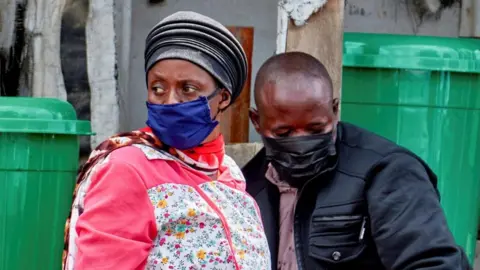
The Ebola outbreak in the Democratic Republic of Congo represents a critical public health challenge that demands sustained international attention and resources. Health officials are working tirelessly to implement rapid response protocols, including case identification, contact tracing, and isolation procedures to limit further transmission. The situation highlights the importance of maintaining robust healthcare systems and rapid response capabilities in regions vulnerable to infectious disease outbreaks.
The assessment from UN health authorities represents a careful evaluation of epidemiological data, transmission patterns, and the effectiveness of current containment measures being deployed across the affected region. These risk classifications are regularly updated based on new information about case numbers, transmission routes, and the success of intervention strategies. The "very high" designation within DR Congo reflects the reality on the ground, where transmission continues to occur despite ongoing control efforts.
Healthcare workers in the Democratic Republic of Congo face extraordinary challenges as they work to combat the Ebola virus in communities that may be geographically remote or difficult to access. The deployment of medical teams, diagnostic equipment, and personal protective equipment represents a substantial international effort coordinated through UN agencies and partner organizations. These frontline workers are essential to identifying cases early and implementing isolation measures that can prevent broader transmission.
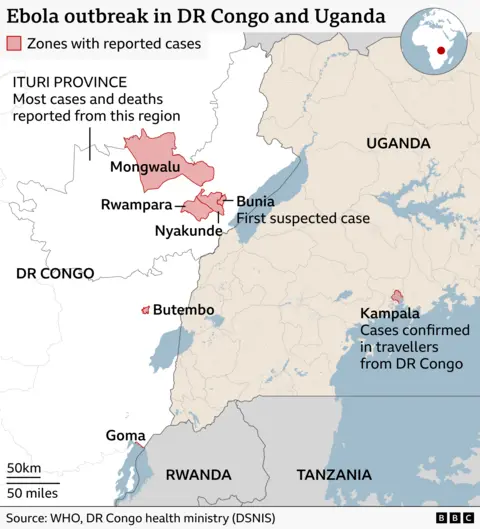
The regional "high" risk assessment acknowledges the potential for cross-border transmission given the population movements and trade routes that connect the Democratic Republic of Congo with neighboring nations. Countries bordering the affected region have heightened their surveillance and screening protocols at entry points, particularly in areas with significant population traffic. This proactive approach seeks to detect any spillover cases quickly and implement containment measures before sustained transmission can be established.
The global "low" risk classification reflects confidence in the ability of international health systems, border controls, and disease surveillance networks to detect and contain any potential cases outside the primary outbreak region. Modern air travel screening, quarantine protocols, and rapid diagnostic capabilities provide multiple layers of protection for countries worldwide. The experience gained from previous Ebola outbreaks has substantially improved the global community's capacity to respond quickly and effectively to potential international spread.
UN health agency officials emphasize that maintaining this favorable global risk assessment requires sustained vigilance, adequate funding for response efforts, and continued cooperation between national health authorities and international organizations. The delicate balance between the high regional risk and low global risk depends on the effectiveness of containment measures implemented within and around the Democratic Republic of Congo. Any significant deterioration in the situation could necessitate revised risk assessments and additional international interventions.
The distinction in risk levels across different geographic scales provides important context for understanding the current health emergency and the proportionality of response measures. National governments, international organizations, and health agencies must balance the need for rapid response with avoiding unnecessary panic or excessive restrictions that could undermine public trust and cooperation. Clear communication about actual risk levels helps ensure that resources are deployed efficiently and that the public understands the real threats they face.
As the situation continues to evolve, the UN health agency and partner organizations remain committed to providing timely updates and guidance to member states and the global health community. The risk assessments serve as crucial decision-making tools for governments determining appropriate public health measures, healthcare resource allocation, and international cooperation strategies. Continued monitoring and rapid reassessment protocols ensure that risk classifications remain accurate and reflect the true epidemiological situation on the ground.
Source: BBC News


