
El Niño Could Push Planet Past 1.5°C Warming

Scientists warn next strong El Niño could permanently exceed critical 1.5°C warming threshold, triggering irreversible climate impacts globally.
The Pacific Ocean functions as an immense climate engine, operating as a powerful heat distribution system that influences weather patterns, ocean ecosystems, and precipitation across continents separated by thousands of miles. This vast body of water contains the capacity to generate significant meteorological consequences that ripple across the globe, affecting everything from tropical storms to agricultural productivity. Scientists across multiple research institutions are intensely monitoring oceanic conditions to determine whether we are approaching a critical turning point in global climate dynamics.
Current climate projections from leading meteorological organizations indicate that the tropical Pacific Ocean is approaching conditions favorable for a strong El Niño event, which represents the warm phase of the Ocean-Atmosphere cycle known as the El Niño-Southern Oscillation (ENSO). This natural climate pattern has historically been associated with significant modifications to global weather systems, including altered precipitation distribution, temperature anomalies, and shifts in ocean currents. When El Niño transitions to its warm phase, it amplifies and redistributes the thermal energy stored in Pacific waters, creating cascading effects on atmospheric circulation patterns worldwide.
The implications of a strong El Niño emerging in the coming 12 to 18 months carry unprecedented significance for global climate stability. In an atmosphere already substantially warmed by anthropogenic greenhouse gas emissions, the combination of anthropogenic heating and natural El Niño warming could potentially cross the 1.5 degrees Celsius warming threshold that has been established in international climate agreements and scientific assessments as a critical tipping point. This boundary, recognized in documents such as the Intergovernmental Panel on Climate Change (IPCC) assessment reports and the Paris Agreement framework, represents a crucial inflection point beyond which certain climate impacts may become irreversible and self-reinforcing.
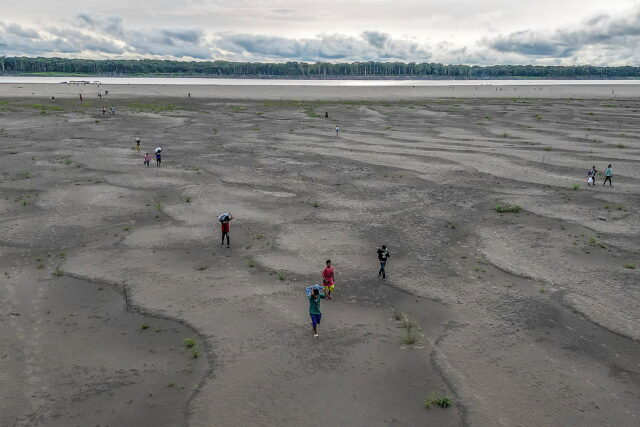
The significance of the 1.5°C threshold extends far beyond abstract scientific calculations. Scientists have identified this temperature increase as the point at which climate tipping points become increasingly probable, potentially triggering cascading failures in natural systems. Beyond this warming level, the risk of ice sheet collapse, permafrost thaw, and ecosystem disruption escalates dramatically, with consequences that could persist for centuries regardless of future emissions reductions. The transition from temporary fluctuations to permanent baseline shifts in global temperature represents a qualitative change in climate behavior.
Historical El Niño events have demonstrated the phenomenon's capacity to reshape global climate patterns during their active phases. The strong El Niño of 2015-2016 elevated global temperatures substantially, contributed to widespread coral bleaching events, and disrupted fishing patterns throughout the Pacific basin. Scientists analyzing ice cores, tree rings, and oceanographic records have established that particularly robust El Niño episodes can raise global temperatures by approximately 0.1 to 0.2 degrees Celsius during their peak influence, effects that typically persist for 12 to 24 months.
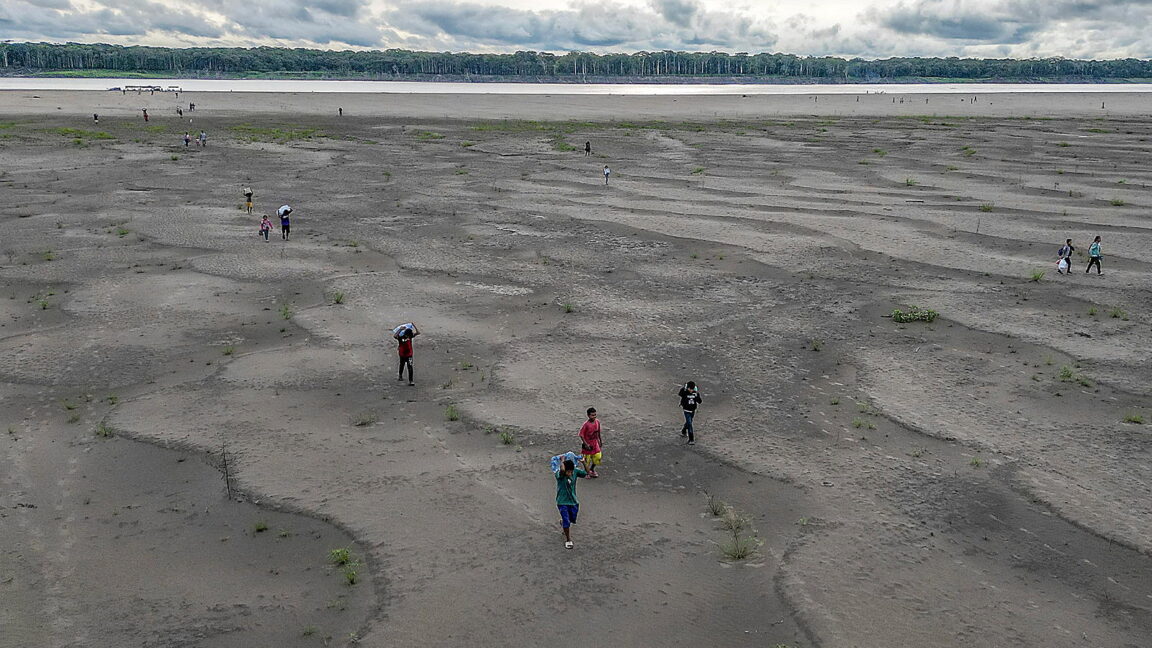
The current state of the Pacific Ocean exhibits several indicators that oceanographers interpret as precursors to El Niño development. Subsurface ocean temperatures in the equatorial Pacific have been gradually warming, heat content in the upper ocean layers has accumulated beyond historical norms, and atmospheric pressure patterns have begun showing characteristic shifts associated with El Niño onset. These physical observations, combined with computational climate models that simulate future ocean-atmosphere interactions, paint a picture of a system transitioning toward its warm phase.
What distinguishes the potential next El Niño from previous events is the elevated baseline global temperature from which the Pacific warming will begin. Current annual average global temperatures already approach the 1.5°C threshold established in international agreements, positioning the planet perilously close to this critical boundary. When natural climate variability, represented by El Niño warming, combines with the persistent heating from accumulated greenhouse gases, the cumulative effect could definitively cross this significant threshold.
The potential crossing of the 1.5°C threshold carries profound implications for climate policy and global adaptation strategies. Many developing nations and climate scientists have advocated strenuously for maintaining temperature increases below this level, arguing that the additional warming between 1.5°C and 2°C represents a qualitative difference in climate impacts. The difference between these two scenarios encompasses variations in sea level rise rates, extreme weather intensification, agricultural productivity changes, and freshwater availability across multiple regions simultaneously.
Beyond the immediate concerns about temperature thresholds, a strong El Niño event during the next year or so would generate severe weather consequences across vulnerable regions. Drought conditions could intensify across parts of Southeast Asia, Australia, and southern Africa, threatening food security for hundreds of millions of people dependent on rain-fed agriculture. Simultaneously, other regions could experience destructive flooding and landslides as El Niño alters moisture transport patterns, creating dangerous weather extremes that strain emergency response systems and displace populations.
Marine ecosystems face particular vulnerability during strong El Niño episodes, as warming waters stress organisms adapted to specific temperature ranges and disrupt breeding and migration patterns. Coral bleaching events, driven by elevated ocean temperatures, could devastate reef ecosystems that support fisheries sustaining millions of people. Fish stocks would redistribute geographically, creating economic disruption for fishing communities while altering the availability of crucial protein sources in developing nations.
The convergence of natural climate oscillations with anthropogenic climate change represents a pivotal moment in Earth's climate history. Scientific institutions worldwide are intensifying monitoring efforts, refining predictive models, and communicating findings to policymakers and the public. The next El Niño event, should it materialize as projections suggest, will serve as a stark demonstration of how natural variability operates within an already altered climate system, highlighting the accelerated pace of climate change and the urgency of mitigation efforts moving forward.
Source: Ars Technica


