
El Niño Set to Intensify Wildfires, Floods, Heatwaves

Scientists warn developing El Niño will amplify extreme weather events this year, but climate change from fossil fuels remains the primary concern.
As climate researchers convened for urgent discussions this week, a consensus emerged regarding the significant threat posed by a developing El Niño pattern. Scientists emphasized that this natural climate phenomenon is poised to substantially amplify heatwaves, droughts, and catastrophic flooding events throughout the year. However, researchers were careful to underscore a critical distinction: while El Niño effects will exacerbate weather extremes in the short term, the long-term warming trajectory caused by anthropogenic greenhouse gas emissions and fossil fuel combustion remains the primary driver accelerating climate change and intensifying extreme weather patterns globally.
El Niño represents the warm phase of a quasi-regular temperature oscillation occurring in the tropical Pacific Ocean. During El Niño events, enormous quantities of heat accumulated in the ocean's depths are released into the atmosphere, creating a temporary elevation in average annual global surface temperatures. Scientific measurements indicate this warming effect can raise global temperatures by as much as 0.3 degrees Fahrenheit above baseline levels. This naturally occurring phenomenon has shaped human civilizations for centuries, influencing agricultural productivity, water availability, and weather patterns across multiple continents simultaneously.
The mechanism underlying El Niño weather patterns involves complex ocean-atmosphere interactions in the equatorial Pacific region. Normally, trade winds push warm surface waters westward toward Asia and Australia, allowing cooler, nutrient-rich waters to upwell along South America's western coast. However, during El Niño conditions, these trade winds weaken substantially, allowing warm water to spread eastward across the Pacific basin. This redistribution of oceanic heat fundamentally alters atmospheric circulation patterns, precipitation distribution, and storm formation mechanisms across the globe, creating cascading effects on weather systems thousands of miles away.
During an extensive online briefing conducted this week, leading atmospheric and climate researchers presented alarming findings regarding the compounding effects of El Niño amplification in our warming world. The scientists collectively emphasized that the consequences of a moderate or strong El Niño occurring today are substantially more damaging and destructive than similar magnitude El Niño events that occurred merely a few decades ago. This intensification of impacts occurs because the entire global climate system has already warmed considerably due to accumulated greenhouse gases, creating a warmer baseline from which El Niño effects operate.
The scientific explanation for this heightened vulnerability revolves around basic atmospheric physics. When a warmer baseline atmosphere experiences El Niño-induced heating, the combined warming effect exceeds what would be expected from simple addition. A warmer atmosphere contains more water vapor—following the Clausius-Clapeyron relationship—which intensifies precipitation rates during wet periods and exacerbates aridity during dry phases. Additionally, warmer ocean temperatures provide more energy for tropical cyclone development and intensification, potentially leading to more powerful storms during the upcoming El Niño season.
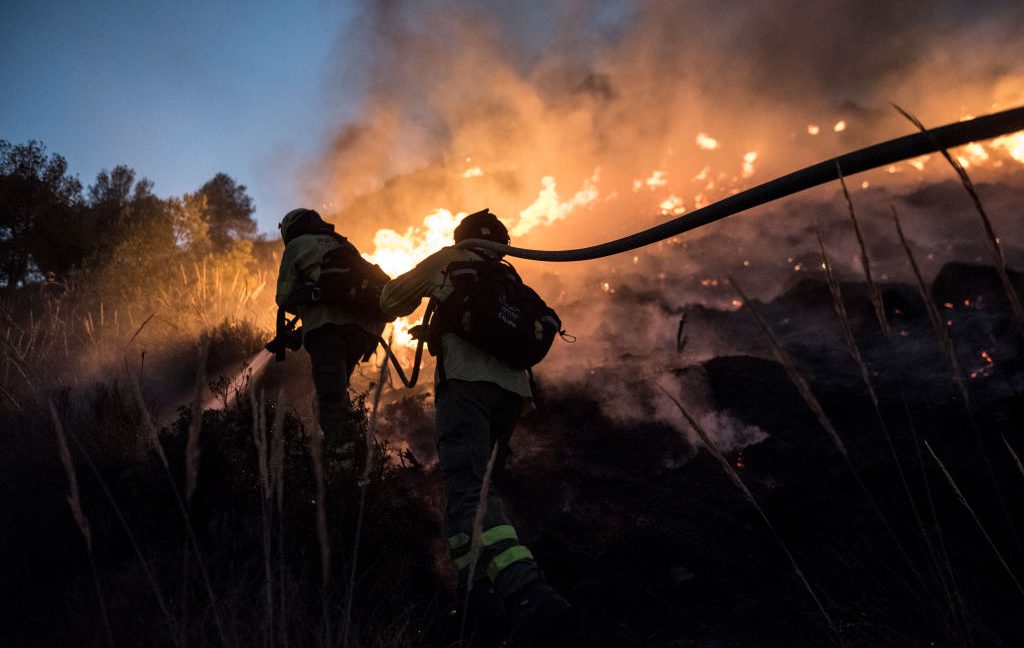
Specific regional impacts from the developing El Niño are already being forecast by meteorological agencies worldwide. Parts of South America face elevated risks of severe flooding as El Niño typically strengthens moisture transport to the region. Simultaneously, Southeast Asia and Australia confront heightened wildfire dangers due to drier-than-normal conditions and elevated temperatures expected during the austral summer. East Africa and other tropical regions may experience disrupted rainfall patterns, potentially impacting food security and water availability for millions of people already vulnerable to climate variability.
The wildfire threat represents one of the most immediate and visible consequences of combined El Niño and climate warming effects. Warmer temperatures dry out vegetation more rapidly, reducing the moisture content that provides natural fire resistance. Simultaneously, longer fire seasons and more favorable burning conditions allow flames to spread more extensively and intensely. Recent years have demonstrated this danger vividly, with record-breaking wildfire seasons occurring in Australia, California, and Mediterranean regions during or following strong El Niño events superimposed on decade-scale warming trends.
Heatwave intensification during El Niño represents another critical concern identified by researchers. Extreme heat events pose direct threats to human health, with vulnerable populations including elderly individuals, outdoor workers, and those without adequate cooling resources facing elevated mortality risks. Agricultural productivity suffers dramatically during extended heat and drought periods, as crops require specific temperature and moisture conditions for optimal development. Hydroelectric power generation faces constraints when drought reduces water availability, potentially creating energy shortages in regions dependent on hydropower.
The relationship between El Niño and global climate change creates what scientists describe as a "double whammy" effect for vulnerable regions and populations. The temporary warming from El Niño superimposes itself atop the persistent warming trend from greenhouse gas accumulation in the atmosphere. This means that peak temperatures during strong El Niño years push into unprecedented territory, surpassing previous historical records with increasing regularity. What were once considered rare, hundred-year weather events now occur with concerning frequency, challenging infrastructure design standards and emergency response capacities.
Scientists emphasized during the briefing that understanding and preparing for El Niño impacts requires sophisticated forecasting capabilities combined with robust adaptation strategies. Meteorological agencies have improved their ability to predict El Niño development months in advance, providing valuable lead time for emergency preparedness, agricultural planning, and resource allocation. However, the increased baseline warming from fossil fuel emissions means that even with accurate forecasts, the magnitude of impacts continues escalating with each passing year of unchecked greenhouse gas emissions.
The broader context surrounding this developing El Niño involves fundamental questions about humanity's approach to climate risk. While natural oscillations like El Niño will continue occurring regardless of human activities, the damage they inflict can be substantially reduced through aggressive mitigation of greenhouse gas emissions. Simultaneously, adaptation measures including improved water management infrastructure, early warning systems, and climate-resilient agricultural practices can reduce vulnerability to extreme events. Researchers stressed that addressing climate change causes and improving resilience to extreme weather impacts must proceed in parallel.
The scientific consensus articulated during this week's briefing underscores an urgent imperative for global climate action. El Niño serves as a reminder that natural climate variability will continue creating challenges for human societies, but the trajectory of long-term warming determines the severity of these challenges. Every fraction of a degree of warming reduction achieved through emissions reductions translates directly into measurable reductions in the intensity of heat waves, the severity of droughts, and the destructiveness of resultant wildfires and floods. The developing El Niño event offers another opportunity for policymakers, scientists, and citizens to recognize the interconnected nature of climate systems and the urgent necessity of comprehensive climate action.
Source: Ars Technica


