
Endangered Antelopes Return Home: Historic Kenya Rescue

Rare mountain bongos flown from Czech zoo to Kenya in landmark conservation effort. Fewer than 100 remain in the wild.
In a significant milestone for global wildlife conservation, a group of critically endangered mountain bongos has been transported from a Czech Republic zoo back to their native homeland in Kenya. This remarkable journey represents a historic homecoming for one of Africa's most elusive and threatened antelope species, marking a turning point in international efforts to save the endangered species from extinction.
The mountain bongo is a rare antelope that is endemic to Kenyan highland forests, meaning it is found nowhere else in the world. This distinctive species, characterized by its striking vertical white stripes and impressive spiral horns, has experienced a catastrophic decline in population over the past several decades. Today, conservationists estimate that fewer than 100 mountain bongos remain in their natural wild habitat, making this species one of Africa's most critically endangered large mammals. The loss of forest habitat due to deforestation, human encroachment, and poaching has pushed these magnificent creatures to the brink of extinction.
The decision to repatriate these antelopes from the Czech Republic represents years of diplomatic negotiation and careful planning between international zoo authorities and Kenyan wildlife organizations. Zoo officials and conservation experts worked meticulously to ensure that the animal translocation would be conducted with the highest standards of care and safety. The transportation process involved specialized logistics, veterinary oversight, and compliance with international wildlife agreements to guarantee the wellbeing of the animals during their lengthy journey across continents.
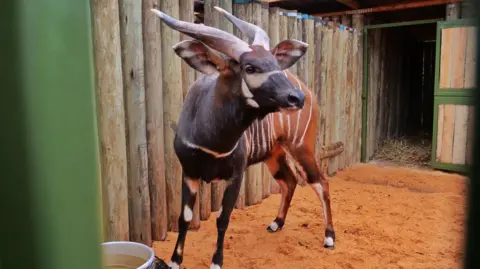
The transportation of these animals highlights the crucial role that zoo breeding programs have played in preserving genetic diversity of endangered species. Zoos around the world, including facilities in Europe, have maintained carefully managed breeding populations of mountain bongos through coordinated international programs. These breeding initiatives have proven invaluable in maintaining a genetic reservoir of the species while wild populations have plummeted. The animals being returned to Kenya represent the culmination of decades of dedicated breeding work and international cooperation between zoological institutions.
Kenya's wildlife authorities have prepared specially designated protected areas to receive these returning antelopes. These forest reserves have been equipped with appropriate habitat conditions and wildlife monitoring systems to track the animals' adaptation to their native environment. Veterinary teams will continue to monitor the health and behavior of the relocated bongos as they reintegrate into the forests of central Kenya. The success of this reintroduction effort will be carefully documented and analyzed by conservation scientists to inform future restoration projects for other endangered species.
The mountain bongo's plight is emblematic of the broader conservation challenges facing Africa's wildlife. Throughout the 20th century, habitat loss accelerated dramatically due to agricultural expansion, infrastructure development, and commercial logging in the highland forest regions of Kenya. Additionally, poaching has decimated populations of numerous large mammals across the continent. The mountain bongo, being restricted to small forest patches in the Aberdares and Mount Kenya regions, has been particularly vulnerable to these cumulative pressures.

International conservation organizations have long advocated for the creation of stronger legal protections and expanded habitat preservation measures specifically for the mountain bongo. The successful coordination of this repatriation initiative demonstrates that cross-border wildlife conservation can achieve tangible results when governments, zoos, and environmental organizations work in concert. The project serves as a model for how international partnerships can bridge the gap between captive breeding efforts and on-the-ground conservation in native habitats. Success stories like this reinforce the commitment of the global conservation community to reversing the decline of critically endangered species.
The reintroduction effort also underscores the importance of habitat restoration and land management practices that support wildlife habitat recovery. Kenyan authorities have invested in forest protection initiatives, anti-poaching patrols, and community engagement programs to create safer conditions for returning wildlife. Local communities living near these forest areas play a vital role in ensuring the long-term success of conservation efforts through their stewardship and support of protected lands.
As climate change continues to pose unprecedented challenges to ecosystems worldwide, the mountain bongo faces additional threats from shifting forest conditions and changing rainfall patterns in the highland regions. Conservation scientists are developing adaptive management strategies to anticipate and respond to these environmental changes. The successful reestablishment of mountain bongo populations in Kenya will require ongoing monitoring, adaptive management, and sustained commitment to habitat protection over many years and decades to come.
This historic homecoming sends a powerful message to conservation communities worldwide: that even species brought to the edge of extinction can be given a second chance through dedicated effort and international cooperation. The mountain bongo's journey from the forests of Kenya to a Czech zoo, and now back home again, encapsulates both the challenges facing endangered wildlife and the possibilities for recovery when humanity commits to protecting our planet's most vulnerable species. The eyes of the global conservation community remain fixed on Kenya as the success of this reintroduction initiative unfolds, with hopes that it will inspire similar efforts to restore other critically endangered animals to their native habitats.
Source: BBC News


