
Eric Dane's Final Battle: Fighting ALS Until the End

The Grey's Anatomy star dedicated his last months to advancing ALS research and raising awareness for the devastating neurodegenerative disease.
In his final months, Eric Dane, the beloved actor best known for his role as Dr. Mark Sloan on Grey's Anatomy, transformed his personal battle with ALS into a powerful mission of hope and determination. Rather than retreating from the public eye, Dane chose to use his remaining time to champion research efforts and raise crucial awareness about the devastating neurodegenerative condition that affects thousands worldwide. His unwavering commitment to "moving the needle" on ALS research became a defining testament to his character and legacy.
The 51-year-old actor, who had captivated audiences for years with his charismatic performances on screen, received his ALS diagnosis in early 2023. Amyotrophic lateral sclerosis, commonly known as Lou Gehrig's disease, is a progressive neurodegenerative disorder that affects nerve cells in the brain and spinal cord. The condition gradually robs patients of their ability to control muscle movement, leading to paralysis and ultimately proving fatal in most cases. With no cure currently available and limited treatment options, an ALS diagnosis typically carries a life expectancy of two to five years from symptom onset.
Despite the devastating nature of his diagnosis, Dane refused to let ALS define his final chapter. Instead, he channeled his energy into becoming a fierce advocate for research funding and patient support initiatives. His approach to the disease was characterized by remarkable courage and an unwavering determination to make a meaningful impact in whatever time he had left. Friends and colleagues described his transformation from patient to activist as both inspiring and heartbreaking, watching him fight not just for himself but for countless others facing the same uncertain future.

Dane's advocacy work began almost immediately following his diagnosis, as he partnered with leading ALS research organizations to amplify their message and attract new funding sources. He understood that his celebrity status could serve as a powerful tool to draw attention to a condition that often receives less public awareness compared to other diseases. Through strategic partnerships with organizations like the ALS Association and various research institutions, Dane helped launch several high-profile fundraising campaigns that exceeded their initial goals by significant margins.
The actor's commitment to the cause extended far beyond simple endorsements or appearances. He actively participated in research studies, volunteered for experimental treatments, and shared his personal journey with medical professionals to help advance understanding of the disease's progression. His willingness to be vulnerable and transparent about his experience provided valuable insights for researchers while simultaneously offering comfort and connection to other patients navigating similar challenges. This dual approach of scientific contribution and emotional support became a hallmark of his advocacy efforts.
One of Dane's most significant contributions was his involvement in promoting clinical trials for potential ALS treatments. He used his platform to educate the public about the critical importance of patient participation in research studies, helping to address one of the major bottlenecks in ALS drug development. His efforts contributed to increased enrollment in several key trials, accelerating the timeline for potential breakthrough treatments. Medical researchers praised his ability to communicate complex scientific concepts in accessible terms, making the research process more understandable and less intimidating for potential participants.
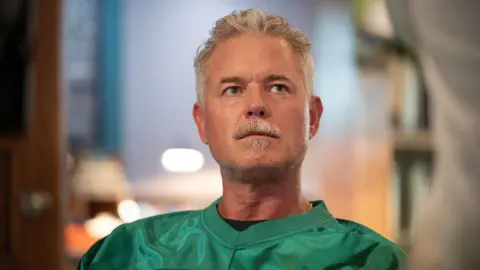
The entertainment industry rallied around Dane's cause, with former co-stars and colleagues from Grey's Anatomy and other productions joining his advocacy efforts. This network of support helped amplify his message across multiple platforms and demographics, reaching audiences who might not otherwise be exposed to information about ALS. Celebrity fundraising events, social media campaigns, and public service announcements featuring Dane and his supporters generated millions of dollars in research funding while simultaneously increasing public awareness about the urgent need for treatment options.
Dane's family played a crucial role in his advocacy work, with his wife and children becoming vocal supporters of ALS awareness initiatives. Their involvement added a deeply personal dimension to his public campaign, highlighting the profound impact that ALS has not just on patients but on their entire support network. Through interviews and public appearances, the family shared their journey of adapting to life with ALS, providing practical insights and emotional support to other families facing similar circumstances.
As his condition progressed, Dane adapted his advocacy approach to accommodate his changing physical capabilities. When traditional speaking engagements became challenging, he embraced digital platforms and assistive technologies to continue his work. His determination to maintain his voice in the ALS community, even as the disease affected his physical abilities, served as a powerful example of resilience and commitment. This adaptability also helped demonstrate to other patients that meaningful contribution and engagement could continue throughout various stages of the disease.
The impact of Dane's advocacy work became measurable in multiple ways throughout his campaign. Research funding for ALS increased significantly during the period of his most active involvement, with several major pharmaceutical companies announcing new investment in potential treatments. Additionally, patient enrollment in clinical trials reached record levels, partly attributed to the increased awareness generated by his efforts. These tangible outcomes reinforced his belief that individual advocacy could indeed "move the needle" on addressing previously underfunded and overlooked medical conditions.
Medical professionals working in ALS research praised Dane's unique contribution to the field, noting that his combination of celebrity influence and genuine scientific curiosity created unprecedented opportunities for advancement. His willingness to engage with technical aspects of research, ask informed questions, and challenge conventional approaches brought a fresh perspective to established scientific discussions. Researchers credited him with helping bridge the gap between laboratory science and patient experience, facilitating more patient-centered approaches to treatment development.
Throughout his advocacy journey, Dane maintained his characteristic sense of humor and optimism, qualities that endeared him to both medical professionals and fellow patients. He often spoke about the importance of maintaining hope and dignity while facing terminal illness, emphasizing that quality of life and meaningful engagement remained possible even within the constraints of progressive disease. His approach to living with ALS challenged common perceptions about terminal illness and demonstrated alternative models for patient advocacy and engagement.
The legacy of Dane's final months extends far beyond the immediate impact of his fundraising and awareness efforts. His model of engaged patient advocacy has inspired other public figures facing serious illnesses to use their platforms for broader social good. Medical schools and patient advocacy programs now reference his approach as an example of how individuals can maintain agency and purpose while navigating terminal diagnoses. This broader cultural impact may prove to be one of his most enduring contributions to the fight against ALS.
As Dane's condition continued to progress, he worked to establish sustainable structures that would continue his advocacy work beyond his lifetime. This included creating educational resources, establishing scholarship programs for ALS researchers, and developing mentorship networks for newly diagnosed patients. His forward-thinking approach ensured that the momentum he had generated would continue to benefit the ALS community long after his personal battle had ended.
The medical community's response to Dane's advocacy efforts highlighted the critical role that patient voices play in driving research priorities and funding decisions. His ability to articulate the urgent need for ALS treatments from a patient perspective helped research institutions make more compelling cases for grant funding and pharmaceutical investment. This collaboration between celebrity advocacy and scientific research created a new model for addressing rare diseases that lack widespread public awareness.
In his final public appearances, Dane reflected on the profound meaning he had found in dedicating his remaining time to the fight against ALS. He expressed gratitude for the opportunity to contribute to something larger than himself and emphasized his hope that future patients would benefit from improved treatments and support systems. His words served as both inspiration and call to action, encouraging others to find ways to contribute to causes they care about, regardless of their personal circumstances or limitations.
Source: BBC News


