
EU Entry-Exit System Chaos: Travelers Face Hour-Long Airport Queues

New EU entry-exit system causes massive delays at airports across Schengen countries. Travelers report 3-hour waits, missed flights, and overcrowded borders.
The rollout of the EU entry-exit system has descended into operational chaos at major European airports, with passengers reporting extraordinary delays that have resulted in missed flights and widespread frustration. The implementation of this ambitious new border control initiative has exposed significant logistical challenges, as airports struggle to process the surge of travelers moving through the system simultaneously. What was intended to streamline security procedures has instead created bottlenecks that are testing both passenger patience and airport infrastructure.
Travelers navigating the new Schengen border system have endured waits stretching up to three hours at immigration checkpoints, according to multiple airport authorities monitoring the situation across Europe. The lengthy queues have been compounded by inadequate staffing levels, malfunctioning kiosks, and insufficient seating areas designed to accommodate the volume of people waiting for processing. Many passengers have described the experience as a nightmare, with frustration mounting as boarding times passed and flights remained grounded.
The EES (entry-exit system) was gradually introduced across European territories starting in October 2025, marking the beginning of a comprehensive overhaul in how travelers are monitored upon entering and exiting the Schengen area. However, the system's full implementation became mandatory on Friday across all 25 Schengen member states, plus Iceland, Norway, Liechtenstein, and Switzerland—affecting approximately one million daily travelers across the region. This Friday launch date represented the official deadline by which all participating nations were required to activate the complete system.
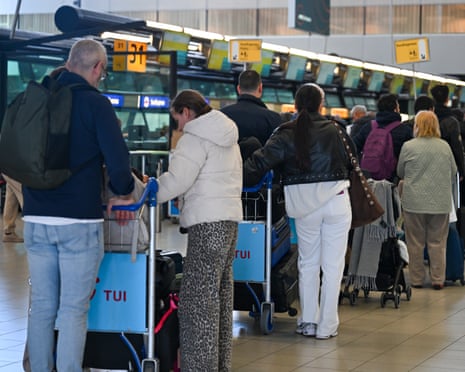
The technical infrastructure supporting the entry-exit system rollout has encountered numerous problems during peak travel periods. Biometric kiosks designed to capture fingerprints and facial recognition data have experienced software glitches, causing them to go offline unexpectedly during critical processing hours. When these automated stations fail, the burden falls entirely on understaffed immigration desks, where manual processing creates severe bottlenecks. The ripple effect has been particularly pronounced at major hub airports handling thousands of international connections daily.
Airport management teams have reported that staffing allocations were inadequate to handle the transition period surge. Many border control facilities had minimal additional personnel deployed despite forecasts of increased processing times. Staff members present at gates have been overwhelmed by the volume of travelers, unable to address technical issues or assist confused passengers simultaneously. This combination of factors created perfect conditions for the extended delays now plaguing European aviation.
Physical infrastructure at many airports has proven insufficient for accommodating the lengthy queues created by slower processing times. Border control areas designed for the previous system did not account for the substantially longer wait periods now becoming standard. Passenger holding areas lack adequate seating, leaving many travelers standing for extended periods in crowded, uncomfortable conditions. Ventilation systems have struggled with the increased density of people in these confined spaces, further adding to passenger discomfort.

The EU border technology upgrade was conceived as a security modernization that would provide enhanced monitoring of who enters and exits the Schengen zone. By capturing detailed biometric data on all non-EU citizens and third-country nationals, authorities believed they could improve security while simultaneously expediting the process. The system was projected to actually reduce processing times once fully operational and airport staff became accustomed to the new procedures. However, the initial implementation has suggested that the transition period will be more painful than anticipated.
Documentation requirements have also contributed to delays, as passengers discovered last-minute that their travel documents required updating or that they did not have necessary entry-exit confirmation from previous travels. The system creates new requirements for documentation verification, and passengers unfamiliar with these requirements have caused additional processing delays. Immigration officers have had to provide individual guidance to unprepared travelers, consuming valuable processing capacity.
Communication failures have exacerbated the situation, with many passengers unaware of the new system requirements before arriving at airports. Airlines, airport authorities, and travel agencies did not universally disseminate information about what to expect during Schengen entry-exit processing. Passengers arriving unprepared encountered unexpected requirements, adding confusion to already strained immigration facilities. Better advance notice through multiple channels could have reduced some of the processing delays experienced.

Several major European airports have issued public statements acknowledging the difficulties and promising remedial action. Airport operators are working with government agencies to identify bottlenecks and implement solutions. Some facilities have begun deploying additional temporary staff to assist during peak hours, while others are expediting repairs to malfunctioning kiosks. Management teams are also evaluating whether physical infrastructure modifications might be needed to better accommodate queuing patterns.
The impact on passengers has extended beyond mere inconvenience, with documented cases of individuals missing scheduled flights due to extended border processing times. Business travelers have experienced disruptions to important meetings and professional commitments. Families have missed connections on multi-leg journeys, requiring rebooking on subsequent flights and incurring substantial additional costs. The human impact of these operational failures has sparked significant media coverage and passenger complaints to airline operators and airport authorities.
Travel industry experts warn that these initial challenges are likely temporary growing pains as the system stabilizes and staff expertise improves. However, they acknowledge that the transition period may extend for weeks or months as personnel become comfortable with the new procedures and technical issues are resolved. Frequent travelers and business aviation stakeholders are demanding that authorities accelerate improvements to minimize ongoing disruption to European mobility and commerce.
The European Union's vision for the biometric entry-exit system remains sound from a security perspective, but the implementation execution has raised questions about project planning and resource allocation. Future technology rollouts will likely benefit from lessons learned during this transition period. Officials are reviewing whether implementation timelines were realistic given the scale of infrastructure changes required and the training needed for border control personnel across dozens of airports simultaneously.
Looking forward, authorities emphasize that the system will eventually deliver promised benefits including enhanced security, improved border management, and ultimately faster processing once the transition phase concludes. Passenger patience is being requested during this adjustment period, though many travelers remain skeptical that improvements will materialize quickly. The success or failure of this major European border initiative may influence how future international travel technology projects are planned, funded, and implemented across the continent.
Source: The Guardian


