
EU Unlocks €90bn Ukraine Loan After Hungary Ends Veto

European Union unblocks vital €90 billion loan for Ukraine following Budapest's decision to lift its veto after oil pipeline resumption agreement.
In a significant diplomatic breakthrough, the European Union has successfully navigated a critical political impasse to approve an urgently needed €90 billion loan for Ukraine. This monumental financial commitment comes after intense negotiations that culminated in Hungary withdrawing its blocking stance, clearing the path for both the financial aid package and complementary sanctions against Russia to move forward. The resolution represents a major victory for EU cohesion during an unprecedented security crisis affecting the continent.
The pivotal turning point in negotiations came when Ukraine agreed to resume the transit of Russian oil supplies to Hungary and Slovakia, addressing Budapest's critical energy security concerns. This pragmatic compromise enabled Prime Minister Viktor Orbán to withdraw Hungary's veto, which had previously threatened to derail the entire financial assistance package. The agreement demonstrates how energy diplomacy can intersect with geopolitical considerations in the context of the ongoing conflict and European solidarity efforts.
Cyprus, currently holding the European Union's rotating presidency, announced that member states' ambassadors had formally agreed to initiate "written procedures" for final approval of both the substantial loan package and the accompanying sanctions framework. This procedural step represents significant progress toward the formal endorsement scheduled for Thursday afternoon, when both measures are expected to receive complete institutional sign-off from all EU member states.
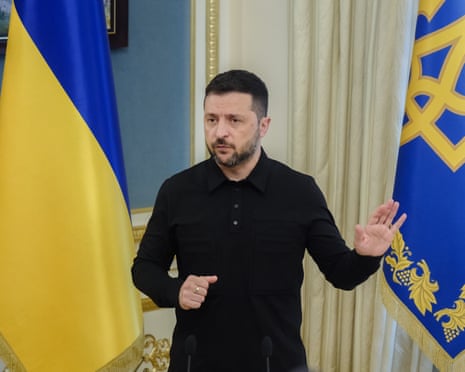
The €90 billion financial assistance to Kyiv represents one of the largest coordinated aid packages mobilized by the European Union since the full-scale invasion began. This substantial commitment reflects the EU's determination to support Ukraine's resilience and reconstruction efforts while maintaining the bloc's unified stance toward the Russian aggression. The loan is designed to address Ukraine's critical fiscal needs and support essential government functions during wartime conditions.
Beyond the financial dimension, the approval also paves the way for a new comprehensive sanctions package targeting Moscow. These sanctions represent the EU's continued economic pressure strategy aimed at degrading Russia's capacity to sustain military operations. The coordinated approach combining financial support for Ukraine with economic restrictions on Russia underscores Europe's multifaceted response to the geopolitical crisis reshaping the continent.
Hungary's initial resistance had created significant uncertainty about the EU's ability to maintain institutional consensus during the crisis. Budapest's concerns centered on the interruption of oil supplies from Russia, which constitute a substantial portion of Hungary's energy imports. The Hungarian government had used its veto power within the EU's unanimity-based decision-making framework to pressure other member states into accommodating its energy security needs.
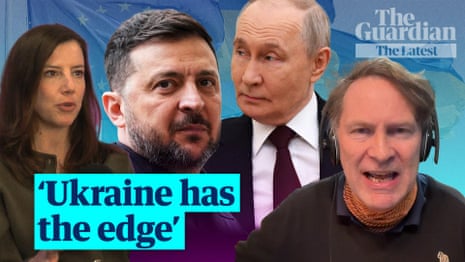
The resumption of oil pumping through Ukrainian territory to Hungarian and Slovak markets represents a carefully negotiated compromise that balances multiple competing interests. For Ukraine, maintaining the transit of Russian oil generates critical transit fees that contribute to government revenues during wartime. For Hungary and Slovakia, the restored supply chain ensures energy security without creating dangerous shortages or dependency on alternative suppliers. This multilateral arrangement demonstrates the complex interdependencies that persist even amid armed conflict.
The diplomatic resolution underscores the delicate balance required to maintain EU unity on Ukraine support while respecting legitimate concerns of individual member states. Hungary's position, while controversial among some EU capitals, highlighted real vulnerabilities in Central Europe's energy infrastructure and supply diversification challenges. The agreement shows that these concerns can be addressed through pragmatic negotiation rather than allowing fundamental EU decisions to be blocked indefinitely.
The formal approval process, utilizing written procedures, is designed to accelerate final sign-off while maintaining proper institutional protocols. This expedited approach reflects the urgency surrounding the aid package and the desire to avoid further delays that could hamper Ukraine's critical financial needs. The anticipated Thursday afternoon deadline provides a clear timeline for completion and allows both measures to take immediate effect upon formal approval.
This development comes amid broader European discussions about long-term financial commitments to Ukraine's recovery and reconstruction. The €90 billion represents immediate financial stabilization support, but EU leadership has also signaled readiness to discuss additional assistance frameworks extending beyond the current aid package. The multilayered approach to supporting Ukraine reflects recognition that the conflict's impacts will require sustained, comprehensive European engagement.
The sanctions framework accompanying the loan approval continues the EU's strategy of economic leverage against Russia. These measures target specific sectors of the Russian economy, particular individuals and entities, and attempt to disrupt Moscow's access to critical technologies and resources. The coordinated approach demonstrates the EU's commitment to escalating costs on Russian aggression while simultaneously strengthening Ukraine's capacity to resist.
For Cyprus and the EU presidency, securing this agreement represents a significant diplomatic achievement during a pivotal moment in European affairs. The resolution of the Hungary veto issue allows the EU to present a unified institutional response to the security crisis while advancing its support agenda for Ukraine. This success may provide momentum for addressing other pending issues within the bloc's decision-making framework.
The agreement also signals important messages to both Ukraine and Russia about European resolve. For Kyiv, the €90 billion loan approval demonstrates sustained EU commitment to supporting Ukraine's survival and eventual recovery. For Moscow, the accompanying sanctions package reinforces European determination to maintain economic pressure despite the length and intensity of the conflict. Both messages contribute to the strategic landscape affecting how the conflict may ultimately be resolved.
Moving forward, the successful resolution of this impasse may inform how the EU addresses future divided positions on critical matters. The compromise solution involving energy arrangements suggests that multilateral negotiations on European aid to Ukraine can find pathways forward even when initial positions appear irreconcilable. This precedent may prove valuable as the EU continues managing consensus on long-term support strategies.
Source: The Guardian


