
Extremist Rabbi to Light Israel Independence Day Torch

Rabbi Avraham Zarbiv, known for bulldozing Palestinian homes, selected to light torch at Israel's independence day. Human rights groups condemn the choice.
An extremist rabbi with a controversial track record of razing civilian homes in Gaza has been selected to light a ceremonial torch at Israel's independence day celebration, sparking widespread condemnation from international human rights organizations who view the appointment as a troubling endorsement of what they characterize as ethnic cleansing and alleged war crimes.
Avraham Zarbiv, who has openly discussed his involvement in the destruction of Palestinian residential structures, will participate in the prestigious torch-lighting ceremony on Tuesday as part of Israel's national day festivities. The selection has drawn sharp criticism from advocacy groups operating globally, who argue that honoring Zarbiv effectively elevates genocide rhetoric to the status of official state ideology and national values.
The torch-lighting ceremony represents one of the most symbolically significant moments during Israel's Independence Day celebrations, with selected individuals chosen to kindle the torch in recognition of their purported extraordinary contributions to Israeli society and the advancement of the state. This year's selections have generated unprecedented controversy due to Zarbiv's prominent role in the list.
Zarbiv joins a diverse cohort of 14 individuals selected for the honor, a group that otherwise includes accomplished professionals such as a respected scientist, a celebrated chef earning Michelin star recognition, a prominent medical doctor renowned for healthcare innovations, decorated members of Israel's security forces, and accomplished business entrepreneurs who have achieved significant economic success.

The inclusion of such a controversial figure alongside these accomplished professionals has raised serious questions about the values and principles that Israeli officials are choosing to represent on the international stage. Human rights advocates have expressed alarm at what they see as a normalization of violence against Palestinian civilians through official state recognition and celebration.
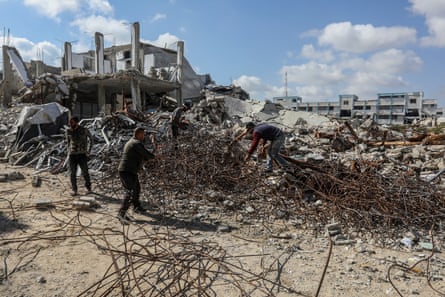
Documentation of Zarbiv's activities in Gaza has been extensively compiled by international monitoring organizations, which have recorded his public statements boasting about the systematic demolition of Palestinian homes. These accounts detail how residential structures have been deliberately targeted and destroyed, often with civilian occupants present or with minimal warning for evacuation.
The controversy surrounding Zarbiv's appointment underscores broader tensions within Israeli society regarding Palestinian rights and civilian protection during military operations. Critics argue that elevating someone who celebrates the destruction of civilian homes sends a dangerous message about the value placed on Palestinian lives and property rights.
International observers have noted that this selection aligns with what they describe as an increasingly hardline direction in Israeli policy and public discourse. The torch-lighting ceremony, traditionally intended to celebrate national unity and shared values, has become a focal point for debates about accountability and justice in the context of the Israeli-Palestinian conflict.

Israeli officials have defended the selection process, arguing that those chosen represent diverse accomplishments and contributions across multiple sectors of society. However, defenders have struggled to adequately address the specific concerns raised about Zarbiv's record and public statements regarding Palestinian homes.
The appointment has prompted calls from various international bodies for Israel to reconsider the selection and demonstrate commitment to universal human rights principles. Several prominent international figures have publicly criticized the decision, characterizing it as incompatible with commitments to international humanitarian law and civilian protection standards.
Legal experts and international law specialists have pointed out that the systematic destruction of civilian homes during armed conflict may constitute violations of the Geneva Conventions and other established international humanitarian legal frameworks. The fact that someone associated with such activities is being publicly honored raises questions about accountability mechanisms and enforcement of international law.
Palestinian organizations and their supporters have organized protests and awareness campaigns highlighting Zarbiv's record and objecting to his inclusion in the celebration. These advocacy efforts aim to draw international attention to what they characterize as problematic normalization of violence against civilian populations.
The torch-lighting ceremony carries deep symbolic weight in Israeli national culture, representing the lighting of the eternal flame and connection to historical struggles and achievements. Using this significant moment to honor someone associated with civilian home destruction troubles many observers who believe such recognition contradicts stated commitments to humanitarian values.
Media coverage of the appointment has sparked broader conversations about accountability, justice, and the path forward in Israeli-Palestinian relations. News organizations worldwide have featured the controversy prominently, contributing to increased international scrutiny of Israel's military conduct and civilian protection policies.
The selection of Zarbiv represents a convergence of multiple contentious issues including military accountability, civilian rights protection, international law enforcement, and national symbolism. These intersecting concerns have made the torch-lighting appointment a flashpoint for broader debates about justice and reconciliation in the region.
As the Independence Day celebration approaches, civil rights groups continue to mount pressure on Israeli authorities to reconsider the appointment and explore alternative selections that would better represent universal values of human dignity and civilian protection. The outcome of these efforts remains uncertain as the official ceremony date draws nearer.
This controversy highlights the ongoing tension between security concerns and humanitarian obligations that characterize discussions of Israeli military operations in Gaza and the broader Palestinian territories. Finding pathways forward that honor both security needs and universal human rights principles remains one of the most challenging questions facing the region.
Source: The Guardian


