
First Global Fossil Fuel Phase-Out Talks Begin

54 countries gather in Colombia for historic talks on transitioning away from fossil fuels, bypassing UN climate deadlocks.
In a significant departure from traditional international climate negotiations, the world's first comprehensive Transitioning Away from Fossil Fuels conference is taking center stage in Santa Marta, Colombia, from April 24 to 29. This groundbreaking summit represents a direct response to growing frustration with persistent deadlocks at United Nations climate conferences, where petrostate nations have repeatedly blocked stronger language and commitments surrounding the phase-out of carbon-intensive energy sources. The conference brings together an unprecedented coalition of the willing comprising 54 countries, subnational governments, civil society organizations, and academic institutions, all united in their determination to forge a new path forward.
The conference, jointly hosted by Colombia and the Netherlands, emerges from a recognition that traditional COP summit negotiations have become increasingly bogged down by competing interests and strategic obstructions from fossil fuel-dependent nations. Rather than waiting for consensus within the full United Nations framework, organizers have opted to create a focused forum where countries genuinely committed to phasing out fossil fuels can develop concrete strategies and actionable frameworks. This coalition-building approach allows participating nations to move beyond rhetorical commitments and establish tangible timelines and mechanisms for transitioning their economies toward low-carbon energy systems.
The frustration driving this initiative stems from decades of climate negotiations where major oil and gas producing nations have consistently watered down language around fossil fuel elimination. At recent COP summits, attempts to include strong language about "transitioning away" from fossil fuels have faced fierce resistance, resulting in either weakened final agreements or complete stalemates. This pattern of obstruction has convinced climate advocates and progressive nations that parallel diplomatic channels are necessary to achieve meaningful progress on decarbonization goals and climate action.
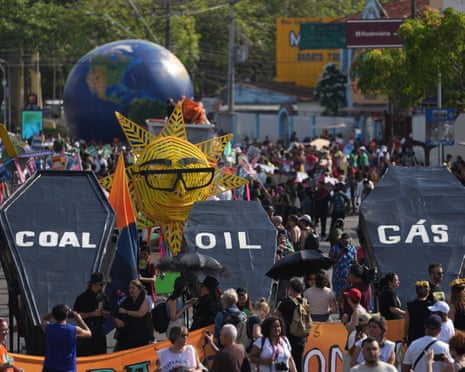
The composition of the participating coalition reflects a diverse range of nations with varying economic interests and development stages. While many developed nations with established renewable energy sectors are represented, the inclusion of developing countries demonstrates a broader commitment to just transition principles that account for nations dependent on fossil fuel revenues. The involvement of subnational governments—including states, provinces, and cities—adds another crucial dimension, as these entities often pioneer innovative clean energy policies that can later be scaled at the national level. Civil society groups and academic institutions bring technical expertise and grassroots perspectives that have historically been underrepresented in official government negotiations.
Colombia's role as host nation is particularly symbolic, given the country's substantial oil reserves and its position as a major oil exporter. By convening this conference, Colombia signals its willingness to diversify its economy away from fossil fuel dependence and toward renewable energy and sustainable development sectors. This leadership position contrasts sharply with the obstruction often seen from petrostate delegations at traditional COP meetings, where protecting fossil fuel interests frequently takes precedence over climate commitments. The Netherlands' co-hosting role further strengthens the conference's credibility, as the country has been a vocal advocate for ambitious climate action within European Union frameworks.

The conference agenda is expected to focus on several key areas critical to successful energy transition planning. These include developing financing mechanisms to support developing nations in shifting away from fossil fuels, establishing clear timelines for phasing out coal, oil, and natural gas, and creating just transition frameworks that protect workers and communities dependent on extractive industries. Participants will also likely address the role of emerging technologies such as renewable energy, nuclear power, battery storage systems, and carbon capture in achieving net-zero emissions. The discussions will draw upon recent scientific consensus from the Intergovernmental Panel on Climate Change regarding the necessary pace and scale of decarbonization required to limit global warming.
One of the most significant challenges facing the conference will be translating goodwill and declarations into binding commitments with measurable outcomes. Unlike COP agreements, which carry significant diplomatic weight due to their universal participation, this coalition-based approach may struggle to influence non-participating nations or create pressure for broader global compliance. However, proponents argue that demonstrating successful coordination among a committed subset of nations can create positive momentum and provide a template for broader international action. Success could position this conference as a model for addressing other contentious global issues where traditional multilateral forums have become gridlocked.

The timing of this inaugural conference is significant, occurring during a period of accelerating climate impacts and mounting scientific evidence regarding the urgency of decarbonization efforts. Recent extreme weather events, melting polar ice, and rising sea levels have underscored the consequences of delayed climate action. Additionally, declining costs for renewable energy technologies and improving battery storage capabilities have made the economic case for fossil fuel phase-out increasingly compelling. These factors have emboldened advocates to push for more aggressive timelines and concrete mechanisms rather than remaining satisfied with aspirational climate pledges that lack enforcement mechanisms.
The conference also addresses the political reality that consensus-based decision-making in global forums often requires compromises that render agreements ineffective. By creating a separate negotiating space, participating countries can establish more ambitious standards without diluting their commitments to placate obstinate petrostates. This approach acknowledges that perfect global consensus may be an unachievable goal when some nations derive significant economic benefit from continued fossil fuel extraction and consumption. Rather than accept the lowest common denominator, this coalition pursues what many climate scientists argue is the only realistic pathway to meeting Paris Agreement targets.

Looking forward, the success of this conference may determine whether alternative diplomatic frameworks become standard practice for addressing climate issues or whether this remains an isolated attempt to circumvent traditional multilateral structures. If the conference produces concrete outcomes and demonstrates tangible progress on fossil fuel phase-out commitments, it could inspire similar coalition-based approaches to other aspects of climate governance. Conversely, if the conference generates only vague pledges without binding mechanisms, it may reinforce perceptions that even committed nations struggle to translate climate rhetoric into meaningful action.
The broader implications of this conference extend beyond energy policy to encompass fundamental questions about how the international community addresses challenges requiring urgent action when consensus proves elusive. The fossil fuel transition represents one of the defining challenges of the twenty-first century, with consequences affecting every nation and every individual. Whether this conference marks a turning point toward more effective and ambitious climate governance, or becomes a footnote in a long history of climate conferences that failed to match the scale of the crisis, will become clearer as the summit unfolds and participants move forward with implementing their commitments.
Source: The Guardian


