
Florida Investigates Sloth World After 31 Animals Die

Wildlife officials probe controversial Orlando attraction as 31 sloths from South America perish in warehouse lacking power and water.
Wildlife authorities in Florida have launched an official investigation into a planned tourist destination following a tragic incident that claimed the lives of dozens of endangered animals. According to a comprehensive incident report released by the Florida Fish and Wildlife Conservation Commission (FWC), thirty-one sloths sourced from the tropical rainforests of South America died while in the custody of operators preparing to open a new attraction called Sloth World in the Orlando area. The animals, which had been imported from Peru and Guyana for display purposes, succumbed to environmental conditions between December 2024 and February 2025.
The sloths perished in a storage warehouse that lacked adequate climate control, according to the FWC report. Officials determined that the animals died from a condition known as "cold stun," a physiological response that occurs when these tropical mammals are exposed to temperatures below their natural range. The warehouse where the animals were housed had no functioning power supply or access to running water, creating extremely hostile conditions for creatures adapted to the warm, humid environments of Central and South American rainforests. This discovery has raised serious concerns about the treatment and care protocols of the proposed attraction.
The Sloth World project represents an ambitious but controversial effort to bring an interactive wildlife experience to Florida's booming tourist industry. The facility was designed to allow visitors to interact with live sloths in a controlled environment, capitalizing on the animals' popularity in social media and among international travelers. However, the deaths of such a large number of animals before the attraction even opened has cast serious doubt on the operators' ability to properly care for these vulnerable creatures. Animal welfare advocates had already expressed concerns about the project's feasibility and ethical implications prior to the tragic incident.

The incident has sparked broader questions about how exotic animal importation is regulated in Florida and the United States more broadly. The animals in question were legally procured from their native countries through proper import channels, yet the tragic outcomes suggest that regulations may not adequately protect animal welfare during the transition process. Sloths are particularly vulnerable creatures, having evolved over millions of years to thrive exclusively in specific tropical environments. Their slow metabolism, low body temperature, and dependence on consistent warmth make them exceptionally sensitive to environmental stress and temperature fluctuations that other animals might tolerate.
The FWC's investigation will examine multiple aspects of how the animals were imported, transported, housed, and cared for during their time in Florida. Officials are expected to scrutinize the facility's infrastructure, the training and qualifications of the staff members responsible for animal care, and whether proper permits and inspections were conducted before the sloths arrived. The commission will also evaluate whether the death of thirty-one animals represents negligence, inadequate planning, or violations of existing wildlife protection laws. These findings could have significant implications for how future exotic animal attractions are licensed and regulated within the state.
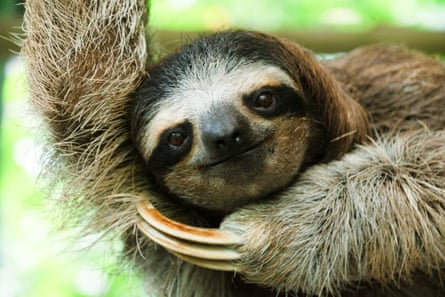
This incident underscores the challenges and dangers inherent in removing wild animals from their native ecosystems for human entertainment and profit. Wildlife conservation experts have long cautioned against the practice of capturing and breeding exotic animals in captivity, particularly species like sloths that have complex environmental and behavioral requirements. The animals' inability to adapt to artificial conditions, combined with the stress of transport and confinement, creates a recipe for widespread mortality. Previous incidents involving exotic animal facilities have demonstrated that even well-intentioned operations often struggle to replicate the precise conditions these creatures need to survive.
The deaths also raise questions about the source of the sloths and whether the export was conducted ethically. Guyana and Peru have existing wildlife protection laws designed to prevent the unsustainable extraction of animals from their natural habitats. Environmental conservation organizations are now calling for greater transparency in how these animals were sourced and whether their removal from the wild population had any adverse effects on their species. Some groups are advocating for stricter international regulations on the exotic animal trade, particularly for species that are difficult to breed in captivity and have specialized survival requirements.
The operators of Sloth World have not yet released an official statement addressing the deaths or the FWC investigation. Industry observers speculate that the incident may significantly delay or prevent the attraction from opening, depending on what the official report concludes. Other theme parks and wildlife attractions in Florida that feature exotic animals are likely watching this investigation closely, as the findings could establish new standards for how these facilities must operate. The incident represents a cautionary tale about the risks of importing and housing animals that have not evolved to live outside their native environments.
The broader implications of this tragedy extend beyond Florida's tourist industry. Animal welfare organizations worldwide are using the incident to advocate for stronger regulations on exotic animal trade and captive breeding programs. The death of thirty-one sloths, while tragic for the individual animals, serves as a stark reminder of why many conservation scientists argue that wild animals should remain in the wild, protected in their native habitats rather than commodified for entertainment purposes. The incident has reinvigorated debates about whether humans should attempt to profit from wildlife at all, or whether resources should instead be directed toward habitat preservation and conservation efforts in the animals' countries of origin.
As the FWC continues its investigation, the fate of any remaining animals connected to the Sloth World project remains uncertain. The agency is expected to make recommendations regarding the facility's ability to operate and whether the operators should be permitted to import additional animals in the future. This case will likely influence policy discussions in Florida's legislature regarding exotic animal facilities and may serve as a catalyst for national conversations about regulating the wildlife tourism industry. The tragic loss of these thirty-one sloths has brought international attention to the risks and ethical concerns associated with removing endangered species from their natural environments for human entertainment.


