
Florida Seeks to Create Controversial State Intelligence Unit with Wide Surveillance Powers

A proposed bill in Florida aims to establish a state-level intelligence agency, raising concerns about potential unchecked domestic surveillance and ideological targeting of residents.
Florida is seeking to establish its own version of the CIA, a move that could lead to unchecked domestic surveillance and the targeting of individuals based on their views or opinions. The proposed House Bill 945 would create a state-level intelligence operation, blurring the traditional line between state law enforcement and intelligence work.
This unprecedented move is raising concerns among civil liberties advocates, who argue that it could prompt other states to follow suit, creating a blueprint for lawmakers far beyond Florida. Red states have a history of borrowing aggressively from one another's policy playbooks, from gerrymandering to anti-abortion laws to transporting immigrants to Democratic-led states. A state-level intelligence office empowered to scrutinize residents based on their ideology is precisely the kind of proposal likely to spread once normalized.
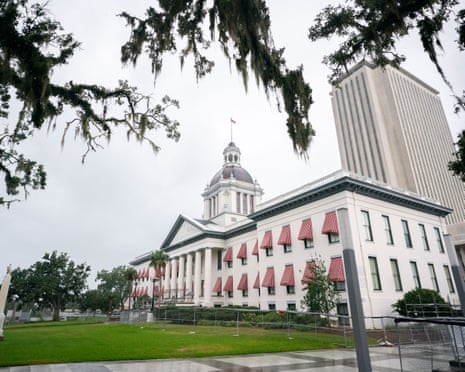
Critics argue that the proposed intelligence unit would allow for scrutiny based on 'opinions' and could lead to a dangerous expansion of state power. They warn that this move could set a precedent for other states to follow, potentially creating a patchwork of state-level intelligence agencies that could erode civil liberties and undermine democratic principles.
The Florida bill is a concerning development that could have far-reaching implications for individual rights and the balance of power between states and the federal government. As the debate continues, it remains to be seen whether this proposal will gain traction in other Republican-led states or face significant opposition from civil liberties advocates and legal scholars.
Ultimately, the creation of a state-level intelligence agency in Florida could set a dangerous precedent and lead to a troubling erosion of civil liberties across the country. The potential for unchecked domestic surveillance and the targeting of individuals based on their political views is a concerning development that deserves close scrutiny and robust public debate.


