
Ford Hints at Electric Fiesta Return in Europe

Ford plans to launch seven new European models including a small electric hatchback, potentially reviving the iconic Fiesta nameplate as an EV.
Ford Motor Company has signaled a significant shift in its European strategy, with executives hinting at the potential resurrection of the beloved Fiesta nameplate as an all-electric vehicle. This strategic move represents part of a broader commitment to electrification across the continent, marking a pivotal moment for one of automotive history's most recognizable model lines. The announcement comes as traditional automakers intensify their race to compete with established electric vehicle manufacturers and meet increasingly stringent European emissions regulations.
The company has revealed ambitious plans to introduce seven new electric models designed specifically for the European market over the coming years. This comprehensive lineup expansion demonstrates Ford's determination to establish a robust presence in the rapidly growing EV segment. Rather than simply retiring legacy models, the automotive giant appears committed to reimagining its most iconic vehicles for a zero-emission future. The strategic timing of this announcement reflects the company's recognition that European consumers increasingly demand sustainable transportation solutions without compromising on the practicality and affordability that made the original Fiesta a bestseller.
Ford's leadership has historically championed the Fiesta as a cornerstone of the company's European operations. The nameplate achieved legendary status through decades of production, becoming synonymous with affordable, reliable compact vehicles that appealed to first-time car buyers and practical-minded drivers. An electric Fiesta would represent a natural evolution of this legacy, allowing the brand to leverage consumer recognition and loyalty while embracing modern propulsion technology. Ford's decision to potentially resurrect this nameplate as an EV rather than allowing it to fade quietly from production speaks volumes about the model's enduring market significance and cultural impact across Europe.
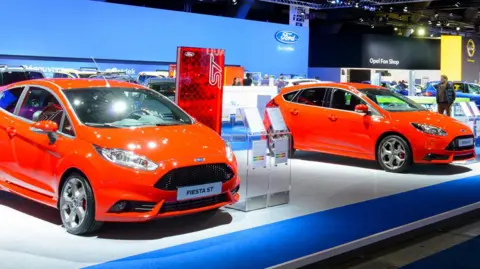
The broader context of Ford's European strategy reveals a company determined to transform its manufacturing footprint and product portfolio. With seven new models in development, the company is positioning itself to address various market segments and consumer preferences within the continent. This diversified approach acknowledges that successful electrification requires more than simply converting existing vehicle architectures. Instead, it demands purpose-built designs that maximize the advantages of electric propulsion, from efficiency to interior space utilization. The range of models under development suggests Ford is not abandoning its commitment to European consumers despite previous restructuring efforts and facility closures in certain regions.
Ford's European electric vehicle ambitions must be understood within the context of the continent's aggressive regulatory environment and market transformation. The European Union has implemented increasingly strict carbon dioxide emission standards, effectively forcing automotive manufacturers to accelerate their transition away from internal combustion engines. These regulations have created both challenges and opportunities for established players like Ford. Rather than viewing electrification as a threat to be managed, company leadership appears to have embraced it as an opportunity to innovate and capture market share in the rapidly expanding EV category. The European EV market has experienced explosive growth in recent years, with consumers increasingly willing to embrace electric vehicles despite historical concerns about range, charging infrastructure, and vehicle pricing.
The potential return of the Fiesta as an electric hatchback addresses a critical market segment that has historically been underserved by premium EV manufacturers. While companies like Tesla have focused on higher-end vehicles, and newer EV startups have targeted affluent early adopters, the affordable compact car segment remains vital for the broader electrification of personal transportation. Ford's strategy appears designed to democratize electric vehicle ownership, making sustainable driving options accessible to budget-conscious European consumers. This approach could prove transformative for the company's market position, particularly among younger buyers and environmentally conscious demographics seeking practical, cost-effective alternatives to traditional gasoline-powered vehicles.
The development timeline for these seven new European models remains partially veiled in corporate discretion, though industry observers expect staggered launches across the coming years. Ford's manufacturing infrastructure across Europe will play a crucial role in bringing these vehicles to market. The company has historically produced vehicles at facilities in Germany, Belgium, Romania, and the United Kingdom, though ongoing shifts in production strategy may require facility updates or reallocations. Ensuring adequate production capacity while maintaining quality standards and achieving competitive pricing will represent significant manufacturing challenges. These logistical considerations underscore the complexity underlying what may appear to be a simple product announcement.
The competitive landscape for electric vehicles in Europe has intensified dramatically, with established automakers like Volkswagen, BMW, and Mercedes-Benz aggressively expanding their EV portfolios. Volkswagen's ID. series, in particular, has achieved considerable market success, demonstrating strong consumer appetite for affordable, practical electric hatchbacks. Ford's planned introduction of an electric Fiesta and companion models reflects a recognition that market share in the EV era will flow toward companies capable of offering competitive vehicles across multiple price points and vehicle categories. The company cannot afford to cede the affordable EV segment to competitors, as doing so would undermine its long-term profitability and market relevance in Europe.
Sustainability and corporate environmental responsibility have become increasingly important differentiators in the automotive marketplace. Ford's commitment to introducing seven new electric models for Europe represents more than mere compliance with regulatory requirements. It signals the company's broader transformation into a sustainable automotive manufacturer committed to reducing its carbon footprint and environmental impact. This narrative extends beyond the vehicles themselves to encompass manufacturing processes, supply chain considerations, and end-of-life vehicle recycling. Consumers increasingly make purchasing decisions based on environmental values, and Ford's EV expansion addresses this growing segment of environmentally conscious buyers.
The revival of the Fiesta nameplate as an electric vehicle carries symbolic weight that extends beyond mere marketing strategy. It represents a bridge between automotive tradition and technological innovation, between established consumer loyalty and future-oriented design philosophy. The original Fiesta launched in the late 1970s and became an automotive icon across Europe, introducing millions of consumers to affordable motoring with style and practicality. An electric successor would honor this legacy while propelling the brand into the next era of personal transportation. This approach differs markedly from strategies that consign heritage nameplates to history, instead celebrating evolution and continuity within dramatic transformation.
Ford's announcement comes at a critical juncture for the global automotive industry. Traditional manufacturers face unprecedented pressure from both regulatory mandates and disruptive competitors offering compelling electric vehicle alternatives. Companies that successfully navigate this transition while maintaining consumer trust and financial viability will emerge as leaders in the automotive landscape of coming decades. Ford's European strategy, centered on seven new electric models including a potential Fiesta revival, demonstrates the company's determination to remain relevant and competitive in this rapidly evolving market. The success or failure of these initiatives will significantly impact Ford's long-term prospects and its ability to sustain profitable operations in one of the world's most important automotive markets for decades to come.
Source: BBC News


