
Freight Train Strikes Bus in Bangkok: 8 Dead

A devastating collision between a freight train and bus near Bangkok's Makkasan station kills at least 8 people and injures 32 others in tragic transportation accident.
A catastrophic Bangkok rail crossing collision has claimed the lives of at least eight people, with Thai authorities confirming that 32 additional individuals sustained injuries in the devastating incident. The freight train accident occurred near the Makkasan station, which serves as a key transit hub connected to Bangkok's airport rail link infrastructure. Rescue officials and a deputy transport minister have provided preliminary reports on the scale of the tragedy, though investigations into the exact circumstances surrounding the crash remain ongoing.
The train and bus collision triggered a massive emergency response, with firefighters and rescue crews rapidly deployed to the scene to combat intense flames that engulfed the bus and several nearby vehicles. The fire spread quickly through the affected area, consuming not only the bus but also adjacent cars and motorcycles caught in the immediate vicinity of the rail crossing. Emergency personnel worked through challenging conditions to extract trapped passengers and extinguish the blaze before it could spread further to nearby structures and other vehicles in the congested Bangkok transportation corridor.
According to reports from Thai transportation authorities, the Makkasan station accident represents one of the most serious transportation incidents to occur in the Thai capital in recent years. The location of the collision, near a major airport rail link junction, meant that the area was occupied by numerous commuters and travelers during peak transit hours. The density of vehicles and pedestrians in the vicinity substantially complicated rescue and recovery operations for emergency responders arriving at the scene.

The rail crossing safety incident has raised significant concerns among Thai safety officials and transportation authorities about the adequacy of safety measures at the busy junction. Initial reports suggest that the freight train may not have properly activated warning systems before crossing the intersection where the bus was traveling. The sequence of events leading to the collision is currently under detailed investigation by multiple government agencies tasked with determining liability and preventive measures for future incidents.
Rescue operations at the site continued for several hours following the initial impact, with emergency medical teams treating injured passengers and transporting the most critically wounded to nearby hospitals for emergency care. The scale of injuries ranged from minor lacerations and broken bones to severe internal injuries and burns sustained by those in closest proximity to the flames. Medical facilities across Bangkok were placed on alert to receive the substantial number of victims requiring immediate hospitalization and ongoing medical treatment.
The Bangkok transportation accident has prompted immediate reviews of safety protocols at the Makkasan crossing and similar rail junctions throughout Thailand's extensive rail network. Transportation officials have announced that preliminary safety audits will commence at multiple high-traffic rail crossings in the Bangkok metropolitan area to identify potential hazards and implement corrective measures. The incident underscores growing concerns about the intersection of rapidly expanding rail infrastructure with increasingly congested urban traffic patterns in Southeast Asia's largest metropolitan center.
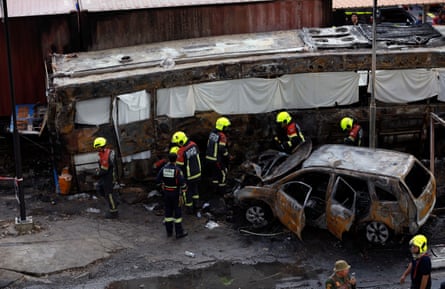
Witnesses to the freight train and bus crash described harrowing scenes of chaos and confusion immediately following the impact, with debris scattered across a wide area and thick smoke obscuring visibility for rescue personnel. Survivors reported hearing the screeching of train brakes and the shattering of glass as vehicles were struck by the massive freight train moving across the intersection. The sudden nature of the collision prevented many passengers from reacting or bracing for impact, resulting in a high concentration of casualties among those aboard the affected vehicles.
Local officials have established temporary command centers to coordinate rescue operations and provide support services to affected families and survivors. Counseling services and victim assistance programs have been mobilized to support the emotional and psychological needs of those affected by the tragedy. Thai authorities are also working to identify all victims and ensure that families receive timely notification and support during this difficult period.
The incident raises important questions about rail safety in Thailand and the effectiveness of current traffic management systems at busy urban rail crossings. Transportation experts have long expressed concerns about the potential for serious accidents when freight trains operate through densely populated urban areas with significant vehicular traffic. This collision appears to validate those concerns and may accelerate discussions about implementing additional safety measures such as improved signaling systems, physical barriers, and enhanced traffic control mechanisms at critical junctions.
Deputy transport ministers and senior railway officials have promised thorough investigations into all contributing factors related to the Bangkok rail accident. These investigations will examine train speed, brake functionality, crossing gate operation, and driver awareness protocols to determine if any systemic failures contributed to the tragedy. The findings from these investigations will likely inform new safety regulations and operational procedures for Thailand's rail transportation system going forward.
The incident has received significant media coverage both within Thailand and internationally, drawing attention to infrastructure and safety challenges in rapidly developing Southeast Asian transportation networks. International rail safety organizations have expressed their willingness to provide technical expertise and assistance to Thai authorities investigating the cause of the collision. This collaborative approach may help identify best practices from other countries that could be implemented to prevent similar incidents in the future.
Source: The Guardian


