
French Passenger Quarantined After Hantavirus Exposure

French authorities quarantine five passengers from MV Hondius ship in Paris following hantavirus exposure. Health officials monitor situation closely.
Health authorities in France have taken swift action following concerning developments aboard the MV Hondius, a vessel that became the center of attention due to hantavirus exposure. According to France's prime minister, five passengers who recently returned from the ship have been placed under quarantine in Paris with no specified end date, marking a significant public health response to the emerging threat.
The hantavirus outbreak aboard the expedition ship has raised alarm bells among French health officials and international maritime authorities alike. Hantavirus, a potentially serious infectious disease transmitted primarily through contact with infected rodents or their droppings, requires immediate isolation protocols when suspected cases emerge. The decision to quarantine passengers reflects the serious nature of potential viral exposure and the need for careful epidemiological monitoring during the incubation period.
The MV Hondius, typically used for polar expeditions and Arctic voyages, has become the focal point of this public health concern. The ship's recent journey brought it into contact with numerous passengers who may have been exposed to the virus in close quarters, creating a situation that demanded rapid governmental intervention. French authorities have emphasized the importance of containing any potential spread through comprehensive quarantine measures.

France's decision to quarantine affected passengers "until further notice" demonstrates the cautious approach being taken toward this infectious disease threat. This open-ended quarantine period allows health officials flexibility in monitoring patient symptoms and conducting thorough diagnostic testing without predetermined timelines that could compromise public safety. The measure reflects current epidemiological best practices for managing potential viral outbreaks in the post-pandemic era.
Hantavirus infections can develop symptoms ranging from mild to severe, including fever, fatigue, muscle aches, and in serious cases, progression to more dangerous respiratory or renal complications. The incubation period for hantavirus typically ranges from one to eight weeks, making the quarantine timeline an essential precaution. French health authorities are likely monitoring quarantined passengers closely for any clinical manifestations that would require escalated medical intervention.
The government's coordinated response involves multiple agencies working to track potential contacts and prevent community transmission. Health officials have presumably conducted epidemiological investigations to identify all passengers who may have shared exposure risks aboard the MV Hondius. This systematic approach helps contain the virus within the known exposure group rather than allowing it to spread into the broader French population.

International maritime health protocols have become increasingly important following global pandemic experiences, and this quarantine response demonstrates France's commitment to following established guidelines. The World Health Organization and maritime authorities provide frameworks for managing infectious disease outbreaks on ships, which French officials appear to be implementing rigorously. These protocols ensure passenger safety while protecting crew members and port communities from potential exposure.
The psychological and logistical dimensions of quarantine extend beyond the immediate medical concerns. Passengers facing extended isolation in Paris require support systems, including meal provision, medical monitoring, psychological support, and clear communication about their status and expected duration of confinement. The French government has indicated readiness to manage these responsibilities, though specific details about quarantine conditions and support services remain limited.
The MV Hondius incident underscores ongoing vulnerabilities in global travel systems despite advances in disease surveillance and prevention. Expedition vessels operating in remote environments like the Arctic may encounter environmental hazards including rodent populations that could harbor hantavirus. Understanding these epidemiological linkages helps governments and maritime operators refine safety protocols for future voyages.
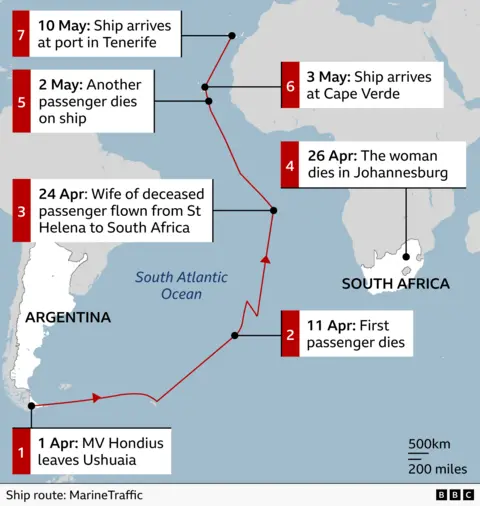
Testing protocols have likely been implemented to confirm or rule out active hantavirus infection in quarantined passengers. Modern diagnostics can detect antibodies and viral antigens through blood tests, allowing healthcare providers to make definitive diagnoses rather than relying solely on clinical assessment. Those testing positive would require enhanced monitoring and possible hospitalization, while those testing negative would still likely complete quarantine periods to account for possible false negatives or late-stage seroconversion.
The situation highlights the importance of transparent communication between maritime operators, health authorities, and passengers regarding infectious disease risks. Passengers deserve timely notification about potential exposures, symptoms to monitor, and resources available for medical care. French authorities' public acknowledgment of the quarantine demonstrates commitment to transparency rather than minimizing the incident.
Looking forward, this public health event may prompt maritime industry reviews of sanitation protocols, rodent control measures, and rapid response procedures for suspected infectious disease outbreaks at sea. Expedition vessels operating in challenging environments require particularly robust disease prevention and management strategies. The MV Hondius situation provides valuable lessons for improving maritime health security across the industry.
France's decisive action in implementing quarantine measures reflects proper adherence to evidence-based disease control principles. The government's leadership in managing this potential health crisis prioritizes population safety while acknowledging individual passenger circumstances. As monitoring continues and diagnostic results arrive, authorities will adjust response measures accordingly, potentially releasing passengers who demonstrate no evidence of infection once appropriate safety thresholds are met.
The broader implications of this event extend to international travel and the perpetual challenge of balancing mobility with disease prevention. As global travel continues to increase, maritime operators and health authorities must remain vigilant about emerging infectious disease threats. The MV Hondius situation serves as a reminder that infectious disease surveillance and rapid response capabilities remain essential components of modern public health infrastructure.
Source: BBC News


