
Fulton County Releases Historic Slavery Impact Report

Landmark 600-page report details lasting effects of slavery and Jim Crow on Black Georgia residents at county level.
A Georgia taskforce has unveiled a groundbreaking report that examines the profound and enduring consequences of slavery and its systemic aftermath in Fulton County. This comprehensive investigation represents a watershed moment in American reparations discourse, offering unprecedented insights into how historical injustices continue to reverberate through Black communities across the region.
The report, an extensive document exceeding 600 pages, represents the culmination of meticulous original research conducted by the Fulton County reparations taskforce combined with rigorous examination of primary source historical documents. County leaders and academic researchers have characterized this work as the first comprehensive county-level reparations harm report of its kind in the nation, distinguishing it from previous analyses that have focused primarily on federal or state-level impacts.
One of the most significant aspects of this groundbreaking study lies in its unique analytical approach. Rather than adopting the conventional framework of examining slavery's impact through federal or state governmental lenses, the harm report meticulously investigates the specific role played by county government institutions in perpetuating systemic inequality. This granular level of analysis provides residents and policymakers with a detailed understanding of how local institutions and policies contributed to racial disparities.
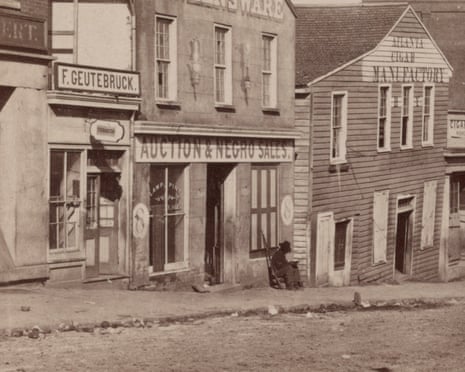
The comprehensive nature of this research underscores the complexity of understanding how slavery's legacy manifests across generations. The taskforce examined how discriminatory policies, institutional practices, and economic structures implemented at the county level created compounding disadvantages for Black residents. These disadvantages extended far beyond the abolition of slavery itself, continuing through the Jim Crow era and into contemporary times.
Black Georgia residents in Fulton County have experienced measurable disparities in wealth accumulation, educational opportunities, homeownership rates, and access to quality healthcare. The report documents how deliberate policy choices by county officials systematically excluded Black families from economic advancement opportunities and civic participation. Understanding these historical mechanisms is essential for developing effective remedies and reparative policies.
The significance of this report extends beyond historical documentation. It provides a crucial foundation for policy discussions surrounding reparations and restitution at the local level. By establishing a clear historical record of county-level harm, the report creates an evidence-based framework that policymakers can use to develop targeted interventions addressing persistent racial inequities.
The research methodology employed by the taskforce combined archival research, demographic analysis, and community testimony to construct a multidimensional narrative of historical injustice. Primary source documents including property records, court documents, legislative records, and administrative files provided concrete evidence of systemic discrimination embedded within county institutions.
This landmark report comes at a pivotal moment in American conversation about racial justice and historical accountability. As communities across the nation grapple with how to address the lingering effects of slavery and discrimination, Fulton County's detailed examination offers valuable methodological insights and substantive findings that other jurisdictions may reference.
The emotional and psychological impacts of slavery and Jim Crow segregation extended throughout Black communities in Fulton County, affecting social cohesion, family stability, and community wealth building. The report addresses these profound human dimensions alongside the material and economic harms documented through demographic data and historical records.
County leaders have emphasized that this report serves as a necessary step toward truth and reconciliation. By comprehensively documenting institutional harm, the county aims to create a shared understanding of historical injustices among residents of all backgrounds, fostering dialogue about appropriate remedial measures.
The release of this extensive harm report has already generated significant attention from academic institutions, civil rights organizations, and policymakers throughout the country. Many observers view it as a potential model for how other counties and municipalities might conduct their own historical audits and reparations assessments.
Implementation of recommendations derived from this landmark report will likely involve complex policy decisions requiring coordination among county departments, elected officials, and community stakeholders. The taskforce's findings create both opportunity and responsibility for local leadership to develop meaningful responses to documented historical harms.
This comprehensive examination of slavery's lasting impact in Fulton County represents an important contribution to the broader national conversation about racial equity and historical justice. As communities continue seeking ways to address generational trauma and systemic inequality, this detailed county-level analysis provides essential evidence and frameworks for moving forward.


