
Germany Expects Most Syrian Refugees to Return Home Within 3 Years

As Germany's government takes a tougher stance on refugees and migration, the country's Interior Minister predicts most Syrian refugees will return home in the next 3 years.
Germany's Interior Minister, Friedrich Merz, has predicted that the majority of Syrian refugees currently residing in the country will return to their homeland within the next three years. This statement comes as the German government has adopted a more restrictive approach to refugees and migrants, amid growing public support for the anti-immigration AfD party.
Merz's comments reflect a significant shift in Germany's refugee policy, which had previously been viewed as more welcoming compared to other European nations. The influx of refugees, largely from Syria, has been a contentious political issue in Germany, with the AfD party capitalizing on public concerns over the economic and social impact of the refugee crisis.
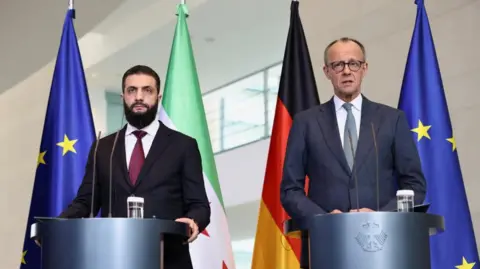
In a recent interview, Merz stated that the government's goal is to encourage and facilitate the voluntary return of Syrian refugees to their home country, as the security situation there has improved in recent years. He emphasized that the government will work to provide support and incentives for those who choose to repatriate.
However, the prospect of a mass exodus of Syrian refugees from Germany has raised concerns among human rights groups and refugee advocates, who argue that the security conditions in Syria remain unstable and precarious for many returnees. They caution that premature or forced repatriation could endanger the lives of vulnerable individuals.
Despite these concerns, Merz's statements reflect the government's determination to address the public's growing unease over the refugee issue. The AfD party, which has consistently called for tougher immigration policies, is expected to play a significant role in the upcoming federal elections, potentially influencing the government's approach to refugee management.
As Germany navigates the complex and sensitive issue of refugee integration and repatriation, the future of the country's refugee policies will likely be a key point of debate in the political landscape. The government's ability to balance the concerns of the public, the needs of refugees, and international obligations will be crucial in shaping the country's response to this ongoing challenge.
Source: BBC News


