
Germany's Merz Blasts Trump Over Iran Negotiation 'Humiliation'

German Chancellor Friedrich Merz criticizes Trump administration for being outwitted by Iran at the negotiating table, citing failed diplomatic efforts.
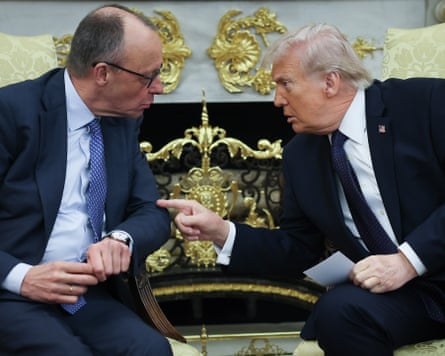
German Chancellor Friedrich Merz has leveled sharp criticism at the Trump administration's handling of Iran negotiations, suggesting that the United States is experiencing a diplomatic setback on the international stage. In remarks that underscore growing concerns among American allies about the current administration's negotiating prowess, Merz stated that the US is being "humiliated" by Iran's leadership, implying that Tehran has gained the upper hand in talks aimed at resolving longstanding tensions between the two nations.
The German chancellor's pointed commentary comes at a particularly sensitive moment in US-Iran relations, with diplomatic efforts appearing to stall amid mutual accusations and failed rounds of negotiations. Merz's assessment reflects a broader worry among Western allies that the Trump administration may be struggling to effectively advance American interests in complex international negotiations. His willingness to publicly critique the US position suggests that even close NATO partners are becoming frustrated with the current trajectory of talks.
Just two days prior to Merz's remarks, President Donald Trump made the decision to cancel a planned trip by US negotiators to Islamabad, where they were scheduled to engage in indirect talks with an Iranian delegation. This cancellation marked another significant setback in what has already proven to be a challenging diplomatic process. The move signaled that the Trump administration saw little value in continuing the round of negotiations, at least in the near term.

The most recent failed negotiation attempt in Islamabad occurred just two weeks before Trump's decision to cancel the subsequent diplomatic mission. During that earlier round of talks, Vice President JD Vance led the American delegation and attempted to break through the impasse with Iranian representatives. However, the meeting concluded without any meaningful progress toward resolving the fundamental disagreements between Washington and Tehran. The breakdown of these talks was widely seen as a disappointing development for those hoping to reduce tensions in the Middle East.
The pattern of failed diplomatic engagement raises important questions about the efficacy of the current negotiating strategy being employed by the Trump administration. Merz's criticism implies that American negotiators may be operating from a position of weakness or are employing tactics that Iran's leadership has proven capable of circumventing. The fact that a close ally like Germany is publicly questioning the administration's approach suggests that the diplomatic community is increasingly skeptical of the current path forward.
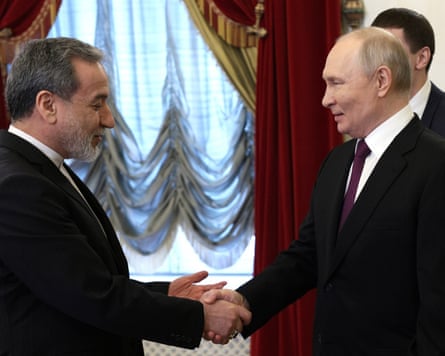
Indirect negotiations through Pakistan have traditionally served as an important channel for communication between the United States and Iran, given the absence of direct diplomatic relations between the two countries. Pakistan, as a neutral intermediary, has hosted numerous rounds of talks designed to facilitate back-channel communications. However, the consistent failure of these negotiations to produce tangible results has raised doubts about whether this mechanism remains viable for achieving a breakthrough.
The role of Vice President JD Vance in the failed negotiations is particularly noteworthy. As a senior member of the Trump administration, Vance's direct involvement in the Islamabad talks underscored the importance that the administration placed on achieving progress. His public acknowledgment that no deal had emerged from those discussions was a candid admission of the difficulties facing the American negotiating team. This transparency, while politically risky, did not ultimately translate into momentum for the next scheduled round of talks.
Friedrich Merz's critique of American diplomatic efforts reflects the perspective of a key European leader who maintains close ties to both the United States and broader international diplomatic frameworks. Germany, as a major economic power and influential voice within the European Union, carries significant weight in international affairs. Merz's willingness to publicly challenge the Trump administration's approach suggests that there may be broader concerns among Western allies about the sustainability and effectiveness of current Iran policy.
The cancellation of the Islamabad trip by American negotiators raises questions about what comes next in the diplomatic process. Without a clear path forward and with key participants apparently unwilling to engage in further immediate negotiations, the prospects for near-term breakthroughs appear dim. The decision by Trump to withdraw his negotiating team from the scheduled talks could be interpreted as either a tactical retreat to reassess strategy or a signal of frustration with the entire negotiating process.
The broader implications of these failed negotiations extend beyond the immediate bilateral relationship between the United States and Iran. Other regional actors, including Israel and Saudi Arabia, have vested interests in how American-Iranian relations develop. The perception that the United States is struggling in negotiations with Iran could have ripple effects throughout the Middle East, potentially affecting regional stability and the balance of power in an already volatile area.
As the situation continues to develop, the credibility of American diplomacy and the administration's ability to achieve its stated objectives remain in question. Merz's public statement serves as a reminder that diplomatic effectiveness is not measured solely by domestic political considerations but also by how international partners perceive American competence at the negotiating table. The coming weeks and months will likely prove crucial in determining whether the Trump administration can reverse this perception and make progress on one of the most challenging international issues it faces.

The broader context of American foreign policy under the Trump administration suggests that Iran negotiations are just one of several complex international challenges demanding attention. How the administration responds to Merz's criticism and whether it adjusts its negotiating approach remains to be seen. What is clear, however, is that the current trajectory of talks has disappointed key allies and raised serious questions about the viability of the existing diplomatic strategy.
Source: The Guardian


