
Gibraltar's Monkeys Eat Mud to Combat Tourist Junk Food

Barbary macaques in Gibraltar have learned to eat soil to soothe stomach upset from salty, sugary snacks given by tourists, researchers discover.
In a fascinating discovery that highlights the adaptive intelligence of primates, Gibraltar's Barbary macaques have developed an unusual dietary behavior that scientists believe is a direct response to consuming processed foods from tourists. Researchers observing these remarkable creatures on the Rock of Gibraltar have documented what appears to be a deliberate strategy to manage digestive distress caused by the constant availability of salty and sugary snacks in the territory.
The phenomenon, known scientifically as geophagy, involves the intentional consumption of soil and mud by animals. This behavior has long been documented across various species in the animal kingdom, but the specific context of these monkeys' soil-eating habits presents a compelling case study in behavioral adaptation. The macaques, faced with an unprecedented food environment created by human tourism, appear to have learned that eating earth helps neutralize the negative effects of their altered diet.
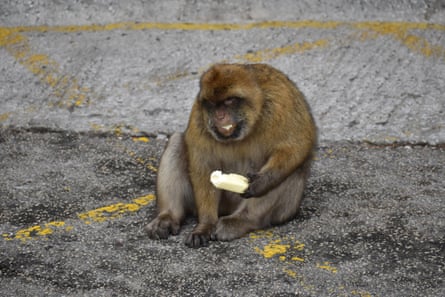
Researchers conducting long-term observations of the Barbary macaque population on Gibraltar discovered a striking correlation between tourist contact and soil consumption patterns. Monkeys that spent more time interacting with—or stealing food from—tourists consistently showed higher rates of mud and soil eating compared to their counterparts with minimal human contact. This distinction suggests a learned behavior rather than a natural, instinctive response, indicating these intelligent primates understand cause and effect.
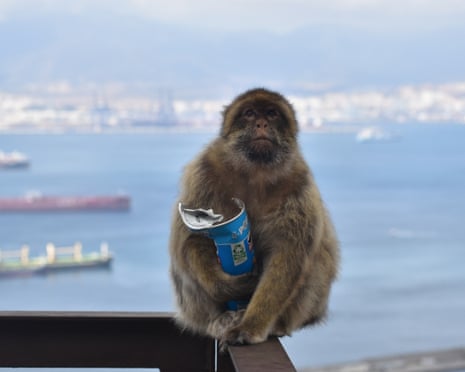
The research team observed particularly pronounced increases in geophagy behavior during holiday seasons, when Gibraltar experiences its heaviest tourist traffic. During peak tourism months, the macaques had greater opportunities to acquire human food scraps, and correspondingly, their consumption of soil and mud reached its highest levels. This seasonal pattern provides additional evidence that the animals are specifically responding to dietary changes introduced by human presence rather than engaging in random or nutritional soil-eating behaviors.
The implications of this discovery extend beyond simple animal observation. Primate digestive health is significantly impacted by the composition of their natural diet, which evolved over millions of years to include specific nutrients and fiber ratios. When these monkeys consume high quantities of salt and refined sugars—elements completely absent from their ancestral diet—their gastrointestinal systems experience genuine distress. The soil they consume contains minerals and compounds that can help bind toxins and excess salt, providing genuine digestive relief.
Veterinarians and primatologists studying the situation note that while the macaques' adaptive response demonstrates remarkable problem-solving ability, it also underscores a serious concern about wildlife-tourist interaction management. The monkeys are essentially self-medicating to compensate for an unnatural dietary environment created by human interference. While this shows intelligence, it is far from an ideal situation for the animals' long-term health and wellbeing.
Conservation officials in Gibraltar have long grappled with the challenge of balancing tourism with wildlife protection. The territory's macaque population management requires careful consideration of multiple factors, including human safety, monkey welfare, and the ecological integrity of the Rock. The discovery of intentional soil consumption adds another dimension to these concerns, suggesting that the current level and nature of tourist-monkey interactions may be creating unintended consequences for the animals' health.
The behavior also raises questions about what other adaptive responses the macaques may be developing in response to their changing environment. Researchers wonder if there are additional behavioral modifications occurring that haven't yet been documented or recognized. The monkeys might be adjusting their foraging patterns, social structures, or reproductive strategies in ways that could have long-term population implications.
Expert observers emphasize that while the macaques demonstrate impressive cognitive abilities in recognizing cause and effect relationships, their situation represents a broader problem in wildlife management. The animals are not merely choosing to eat junk food alongside tourists—many are actively dependent on these food sources because the density of human presence has altered their traditional food availability patterns. The soil consumption is essentially a symptom of a larger imbalance in the ecosystem.
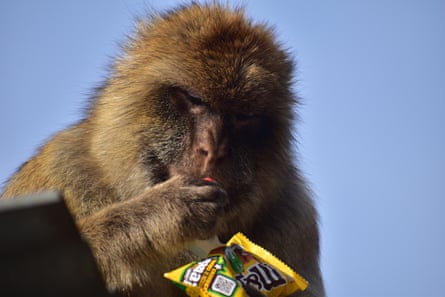
Education initiatives aimed at tourists visiting Gibraltar emphasize the importance of not feeding the macaques and respecting wildlife boundaries. Local authorities and conservation groups work continuously to inform visitors about the negative impacts of providing food to wild animals. However, enforcement of these guidelines remains challenging given the large number of daily visitors and the macaques' ability to opportunistically steal snacks and food waste.
The research into Gibraltar's macaque soil-eating habits contributes to a growing body of scientific literature on how animals respond to human-altered environments. This case demonstrates that wildlife adaptation to human presence is not always straightforward or beneficial. While some species thrive in proximity to humans, others—like Gibraltar's macaques—may appear to adapt on the surface while experiencing significant physiological and behavioral stress.
Future studies will likely focus on measuring the actual health impacts of the macaques' modified diet and their soil-eating compensation strategy. Researchers want to determine whether consuming soil actually provides meaningful relief, and whether it presents any risks of its own. Additionally, scientists are interested in understanding whether individual monkeys vary in their soil-eating behavior and what factors might influence these differences.
The situation on Gibraltar serves as a microcosm for larger conservation challenges facing wildlife populations worldwide. As human tourism and habitat encroachment continue to expand globally, more animal species will face similar pressures. The macaques' adaptive response—while remarkable—highlights the urgent need for better management of human-wildlife interactions to minimize the necessity for such compensatory behaviors in the first place.
Source: The Guardian


