
Global Corruption Crisis: Democracy Under Siege

Transparency International reveals alarming trends as corruption evolves from cash bribes to systematic protection schemes threatening democratic institutions worldwide.
In today's interconnected world, corruption has undergone a fundamental transformation, evolving far beyond the stereotypical image of briefcases filled with unmarked bills or envelopes stuffed with cash changing hands in shadowy back rooms. The modern face of corruption is far more insidious and sophisticated, manifesting itself through intricate networks of protection and sacrifice, where influence peddling and institutional manipulation have replaced crude monetary exchanges. This evolution represents a far more dangerous threat to democratic institutions and global governance structures than traditional forms of bribery ever posed.
The administration of former President Donald Trump has fundamentally altered the landscape of democratic accountability, launching unprecedented attacks on judicial independence while systematically dismantling international safeguards that have protected democratic norms for decades. These actions have created a ripple effect across the globe, emboldening authoritarian leaders and undermining the very foundations of democratic governance. The consequences of this erosion extend far beyond American borders, creating a crisis that demands immediate international intervention and coordinated response from democratic nations worldwide.
The urgency of this situation cannot be overstated, as the international community faces a critical juncture where decisive action is required to halt the accelerating erosion of democratic institutions. Without immediate intervention from global leaders and international organizations, the world risks sliding into an era where authoritarianism becomes the dominant form of governance, threatening the freedoms and rights that millions have fought to establish and preserve over generations.
During this period of unprecedented global challenges and overlapping crises, corruption has transcended its traditional role as a peripheral concern to emerge as a fundamental structural threat that undermines efforts to achieve international equality and preserve basic freedoms. The annual release of Transparency International's Corruption Perceptions Index, which evaluates and ranks 182 countries based on their perceived levels of public sector corruption, has become a ritualistic exercise characterized by predictable political theater rather than meaningful reform initiatives.
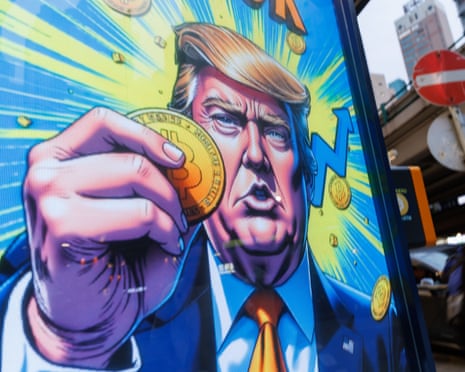
This comprehensive ranking system consistently triggers the same cyclical pattern of responses: effusive praise from nations that receive favorable rankings, strategic condemnation from countries seeking to weaponize the results against their adversaries, and hollow promises of substantive reform from poorly-performing nations. These pledges invariably dissolve into empty rhetoric once media attention shifts to other pressing issues, leaving the underlying problems unaddressed and allowing corruption to continue flourishing in the shadows of international politics.
Rather than serving as a catalyst for genuine accountability and systemic change, the annual index has become little more than a diplomatic tool that those with real power to effect change routinely ignore or manipulate to serve their own political agendas. This transformation of what should be a moment of serious international reckoning into a superficial exercise in public relations represents a profound failure of global governance and highlights the urgent need for more effective mechanisms to combat corruption.
The systematic erosion of democratic institutions has accelerated dramatically in recent years, with authoritarian leaders around the world taking inspiration from successful attacks on judicial independence and press freedom in established democracies. This global trend represents an existential threat to the international order that has maintained relative stability and prosperity for decades, requiring immediate and coordinated action from the international community.
According to detailed reporting from major international news organizations, the most recent corruption index revealed deeply troubling trends that should serve as an urgent wake-up call for the global community. The data exposed a worrying pattern of democratic backsliding across multiple continents, with countries that were once considered bastions of transparency and good governance showing significant declines in their rankings and overall scores.
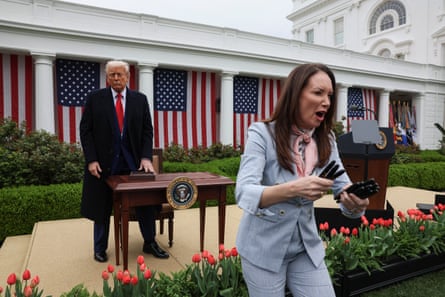
The comprehensive analysis painted a disturbing picture of democratic institutions under siege, facing unprecedented pressure from multiple directions as political donations increasingly influence policy decisions, cash-for-access schemes become normalized within political circles, and state-sponsored targeting of civil society campaigners and independent journalists becomes increasingly common and brazen.
These developments represent a fundamental shift in how corruption operates in the modern world, moving away from simple transactional relationships toward more complex systems of institutional capture and democratic subversion. The implications of this transformation extend far beyond individual cases of misconduct, threatening the very foundations of democratic governance and the rule of law that underpin peaceful and prosperous societies.
The international community's response to these alarming trends has been inadequate and fragmented, with individual nations often prioritizing short-term political considerations over long-term democratic stability. This failure to mount a coordinated response has emboldened corrupt actors and authoritarian leaders, who increasingly view democratic institutions as obstacles to be overcome rather than foundations to be preserved and strengthened.
The evolution of modern corruption has created new challenges that traditional anti-corruption measures are ill-equipped to address, requiring innovative approaches and unprecedented levels of international cooperation to combat effectively. The stakes of this battle extend far beyond questions of good governance, encompassing fundamental issues of human rights, economic development, and global security that affect billions of people worldwide.
The current crisis demands bold leadership from democratic nations and international organizations, requiring them to move beyond symbolic gestures and diplomatic niceties toward concrete actions that can restore faith in democratic institutions and halt the spread of authoritarian governance models. The window for effective intervention is rapidly closing, making immediate action not just advisable but absolutely essential for preserving democratic freedoms for future generations.
Without decisive intervention from the international community, the world faces the prospect of entering a new era where corruption becomes so deeply embedded in governance structures that it becomes virtually impossible to root out through conventional means. This scenario would represent a catastrophic failure of global leadership and would condemn billions of people to live under systems of government that prioritize the interests of corrupt elites over the welfare of their citizens.
The time for half-measures and diplomatic protocols has passed, replaced by an urgent need for coordinated action that can address the root causes of democratic erosion and restore accountability to positions of power. The future of global democracy hangs in the balance, requiring immediate and sustained effort from all nations committed to preserving freedom and justice in an increasingly dangerous world.
Source: The Guardian


