
Google's Android-Based Laptops: The Chromebook's Next Evolution

Discover how Google is revolutionizing its laptop lineup with Android-based Googlebooks. Explore the future of computing with this innovative evolution.
Google has long been a pioneer in reimagining how we approach personal computing, and now the tech giant is preparing to unveil a significant evolution in its laptop strategy. The company's upcoming Android-based Googlebooks represent a bold departure from the traditional Chromebook formula, signaling a major shift in how Google envisions the future of portable computing devices. While the company has remained relatively tight-lipped about the specifics, early glimpses suggest a transformative approach that could reshape the landscape of affordable, cloud-connected laptops.
The Chromebook has carved out a substantial niche in the computing market since its introduction, particularly in educational settings and among budget-conscious consumers. These devices, which run Google's Chrome OS operating system, have become synonymous with simplicity, affordability, and seamless integration with Google's suite of web-based applications. However, as technology evolves and user expectations expand, Google recognizes the need to push boundaries and explore new possibilities that go beyond the current Chrome OS framework.
The transition from Chrome OS to Android-powered laptops represents more than just a cosmetic change—it's a fundamental rethinking of what a budget-friendly, cloud-centric laptop should offer. Android's open ecosystem and versatility could enable Googlebooks to support a wider range of applications and use cases while maintaining the accessibility and ease of use that Chromebooks are known for. This strategic pivot demonstrates Google's commitment to staying ahead of market trends and continuing to innovate within the laptop segment.
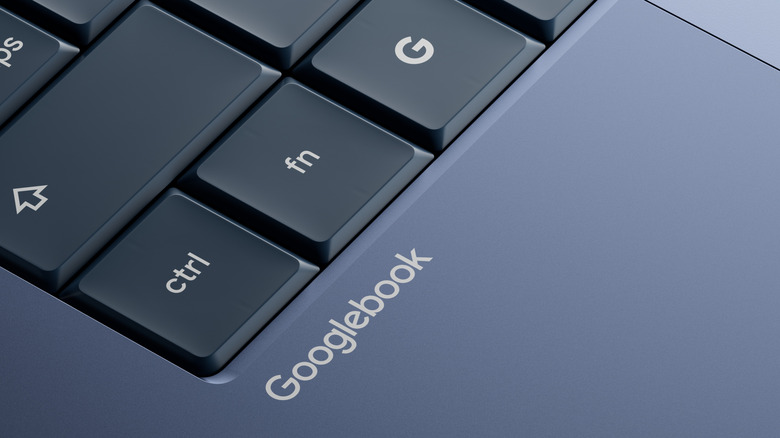
The development of Googlebooks comes at a time when the computing landscape is becoming increasingly fragmented, with users demanding more flexibility and power from their devices. While details remain scarce, industry analysts suggest that Android's mobile-first design principles could be adapted to create a more intuitive and responsive computing experience on larger screens. The integration of Android's ecosystem could also open doors to expanded functionality, allowing users to run a broader range of applications without the constraints that currently define Chrome OS devices.
Google's approach to this laptop innovation reflects a broader industry trend of blurring the lines between mobile and desktop computing. Just as tablets have evolved to incorporate laptop-like features, Googlebooks could represent the inverse—a laptop experience that leverages the familiarity and flexibility of mobile operating systems. This convergence of mobile and desktop paradigms has already proven successful for other manufacturers, and Google appears poised to bring its own unique interpretation to this evolving category.
The potential advantages of Android-based laptops are substantial. Users would potentially gain access to millions of applications available through the Google Play Store, expanding the utility and versatility of Googlebooks compared to traditional Chromebooks. Additionally, the Android platform's robust support for multimedia consumption, productivity tools, and creative applications could position these devices as more capable alternatives to traditional budget laptops. The seamless integration with Google's ecosystem of services would remain a cornerstone feature, maintaining continuity with the company's existing user base.
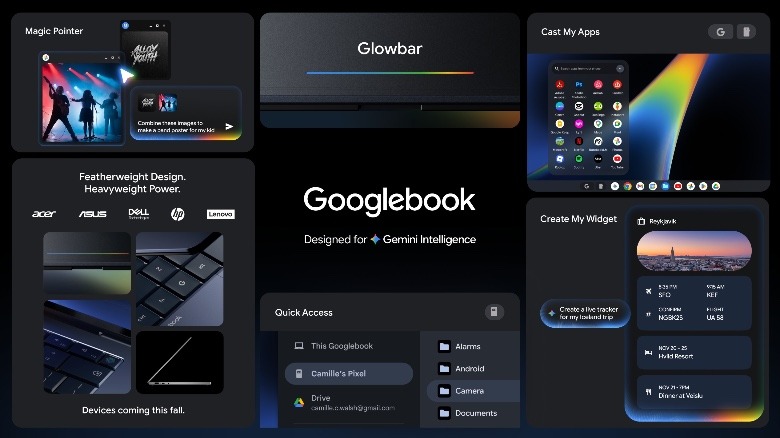
Performance considerations will undoubtedly play a crucial role in the success of Googlebooks. The hardware specifications and processor choices will determine whether these devices can effectively handle multitasking, video editing, and other resource-intensive tasks that users increasingly expect from their computing devices. Google will need to strike a delicate balance between maintaining competitive pricing—a hallmark of Chromebooks—while ensuring sufficient processing power and memory to support the expanded capabilities that Android brings to the table.
The market response to Googlebooks will be telling. Educators and institutions that have standardized on Chromebooks may appreciate the expanded capabilities, while cost-conscious consumers could benefit from access to a broader selection of applications and services. However, Google must carefully navigate the transition to avoid alienating existing Chromebook users or creating confusion about which platform serves which use cases. Clear positioning and effective marketing will be essential to establishing Googlebooks as a distinct and desirable product category.
From a software perspective, Google's development teams will need to optimize the Android experience for larger screens and input methods beyond touch. Implementing robust support for trackpads, keyboards, and external peripherals will be crucial for ensuring that Googlebooks function as full-featured laptops rather than oversized tablets. The user interface will require thoughtful adaptation to accommodate the unique demands of a laptop form factor while preserving the intuitive elements that make Android accessible to a broad audience.
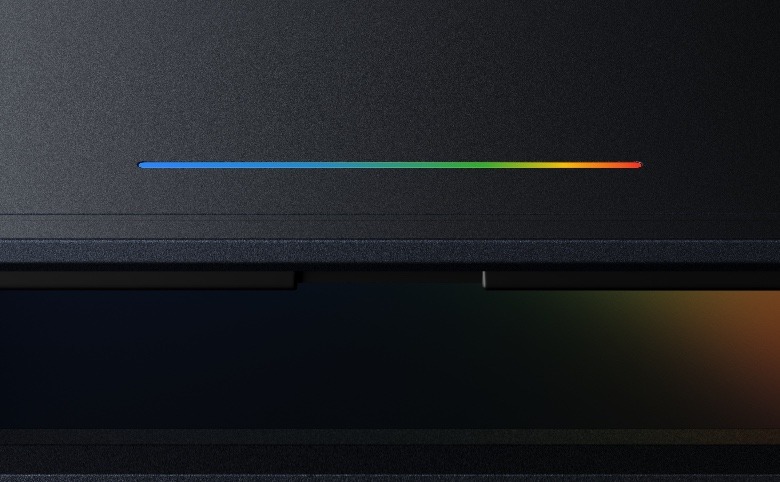
Security and privacy have always been central selling points for Google's computing devices, and these principles must remain paramount in the Googlebooks development process. Users will expect the same robust security features and regular updates that have made Chrome OS and Android devices trusted choices for sensitive work and educational environments. Google's experience managing security across billions of mobile devices gives the company significant expertise in this domain, positioning it well to deliver secure Android-based laptops.
The competitive landscape presents both opportunities and challenges for Google's new laptop initiative. The emergence of affordable Windows laptops, the continued popularity of MacBooks among certain demographics, and the growing capabilities of high-end Chromebooks all factor into the equation. By introducing Android laptop devices, Google can potentially differentiate itself and capture market share from consumers seeking alternatives to traditional operating systems. The timing of this announcement may also coincide with broader industry shifts toward more modular, adaptable computing platforms.
Looking ahead, the rollout of Googlebooks will likely proceed in phases, with initial testing and feedback from early adopters informing future iterations and improvements. Google's history of refining products through successive generations suggests that the company will use early real-world usage data to optimize performance, user experience, and feature sets. This iterative approach has served Google well in the past and will likely continue to guide the company's strategy for establishing Googlebooks as a viable and compelling product line.
The implications of Googlebooks extend beyond the individual consumer or student who purchases one. This development signals Google's long-term vision for how mobile and desktop computing should converge and interact. By leveraging Android's proven track record and extensive ecosystem, Google positions itself to offer a compelling alternative to existing laptop platforms while maintaining the company's core values of openness, accessibility, and integration with cloud-based services. The coming months will reveal more about Google's complete vision for this exciting new product category.
Source: Engadget


