
Hackers Weaponize Security Cameras in Global Conflicts

Militaries are leveraging hackable security cameras to bolster their surveillance and reconnaissance capabilities in conflicts from Iran to Ukraine.
Militaries have gained a powerful new set of eyes on the ground in an age of cheap, insecure, Internet-connected consumer devices: every hackable security camera installed outside a home or on a city street, pointed at potential bombing targets. This revelation comes as security researchers uncover hundreds of hacking attempts that targeted consumer-grade security cameras around the Middle East, with many apparently timed to Iran's recent missile and drone strikes on targets including Israel, Qatar, and Cyprus.
The camera-hijacking efforts, some of which have been attributed to a hacker group linked to Iranian intelligence, suggest that Iran's military has tried to use civilian surveillance cameras as a means to spot targets, plan strikes, or assess damage from its attacks as it retaliates for the events that led to the killing of Iran's top general, Qassem Soleimani.
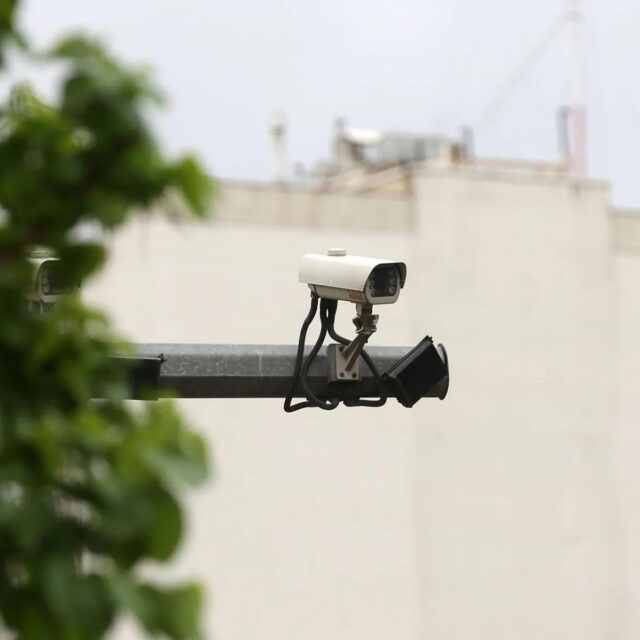
But Iran isn't the only country exploiting insecure internet-connected cameras for military advantage. In Ukraine, both Russian and Ukrainian forces have been caught hacking civilian security cameras to gather intelligence and monitor each other's movements, according to cybersecurity researchers.
The weaponization of consumer cameras in these conflicts reflects a broader trend of militaries increasingly turning to low-cost, commercially available technologies to bolster their surveillance and reconnaissance capabilities. As internet-connected devices proliferate, the cybersecurity vulnerabilities of these consumer gadgets have become a growing concern for national security and public safety.
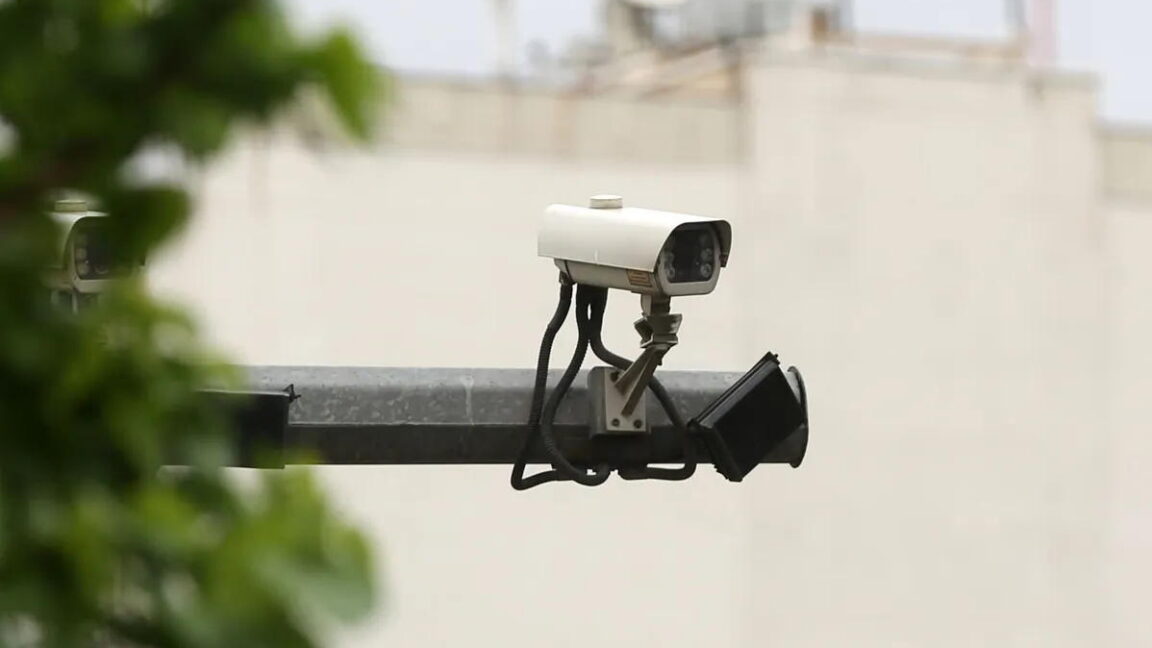
According to the Check Point researchers, the hacking attempts they observed targeted security cameras made by a range of manufacturers, including Hikvision, Dahua, and Uniview. The researchers said the hackers appeared to be trying to gain remote access to the cameras' video feeds, which could then be used to monitor potential targets or assess damage from attacks.
The exploitation of consumer cameras for military purposes highlights the growing cybersecurity risks posed by the proliferation of internet-connected devices. As militaries and intelligence agencies continue to adapt to these new technological realities, the security and privacy of civilian populations could become increasingly vulnerable to surveillance and disruption.

Source: Ars Technica


