
Hantavirus Ship Becomes Unlikely Tenerife Tourist Hotspot

The MV Hondius, struck by a deadly hantavirus outbreak, has unexpectedly become a major attraction for tourists visiting Tenerife's Canary Islands.
The MV Hondius cruise ship, which arrived at the Canary Islands on Sunday following a hantavirus outbreak that claimed three lives, has emerged as an unusual focal point for both curious tourists and local residents exploring Tenerife's coastline. What was meant to be a devastating public health crisis has transformed into an unexpected social phenomenon, drawing crowds to overlook vistas along the southern reaches of the island where the vessel now sits anchored.
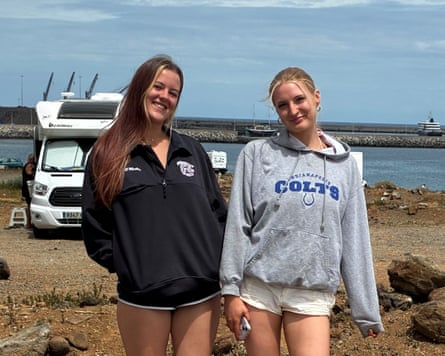
Perched on a dusty hillside that provides panoramic views across the Atlantic Ocean, clusters of visitors have established informal gathering spots to observe the quarantined ship from a safe distance. The Granadillo commercial port vicinity has become an impromptu observation point, where spectators equipped with binoculars peer toward the vessel positioned several hundred meters offshore. Others capture images on their smartphones, documenting what has become an unlikely talking point throughout the island's tourist community and among permanent residents alike.
The phenomenon highlights how extraordinary circumstances can capture public imagination in unexpected ways. Despite the grim circumstances surrounding the ship's arrival—including the serious virus transmission that necessitated its isolation and quarantine protocols—the vessel has become something of a morbid curiosity. Tourists who might have otherwise spent their afternoons poolside or exploring conventional attractions have found themselves drawn to witness this real-world unfolding of events that would typically remain confined to news headlines.

The hantavirus epidemic aboard the cruise ship represented a significant public health concern that prompted immediate intervention from Spanish health authorities and maritime officials. The virus, which had already resulted in multiple fatalities among passengers and crew members, necessitated strict containment measures and comprehensive medical protocols. The decision to route the ship to Tenerife's port facilities allowed for proper medical intervention while simultaneously raising awareness about the vessel's situation throughout the region and beyond.
Local authorities had to balance transparency with public reassurance as news of the outbreak spread. Officials implemented various safety measures to prevent further transmission while managing the logistical challenges of accommodating a ship carrying hundreds of potentially exposed individuals. The port authority's decision to anchor the vessel in designated commercial waters rather than directly docking at the main terminal reflected the cautious approach taken by health administrators intent on preventing community spread.
What makes this situation particularly intriguing is how people respond to crisis situations through curiosity rather than fear. Tourism in Tenerife has faced various challenges over the years, but this unexpected development demonstrates how human nature gravitates toward witnessing extraordinary events firsthand. The makeshift observation points that have formed along the hillside suggest that locals and visitors alike view the situation as both a cautionary tale and a moment of historical significance worth witnessing.
The viral outbreak itself underscores the challenges of disease transmission in enclosed maritime environments. Cruise ships present unique conditions where viruses can spread rapidly among closely quartered passengers and crew members sharing ventilation systems, dining facilities, and common areas. The ship quarantine measures implemented aboard the MV Hondius reflected standard maritime health protocols designed to contain pathogens and prevent the exponential growth of infections that could overwhelm onboard medical facilities.
International maritime health regulations have evolved significantly following various disease outbreaks on cruise vessels over recent decades. Ship operators and health authorities now maintain sophisticated surveillance systems and rapid response protocols to identify emerging health threats. The case of the MV Hondius serves as another data point in the ongoing conversation about maritime public health and the responsibilities of shipping companies to maintain safe environments for passengers and crew.
From a social perspective, the emergence of the ship as an informal tourist attraction reflects broader human tendencies to seek connection with newsworthy events. Rather than remaining distant observers reading reports on their devices, people have elected to travel to vantage points where they can observe the situation with their own eyes. This desire for authentic witnessing, even of tragic circumstances, appears deeply rooted in how communities process extraordinary occurrences.
The Canary Islands tourism sector has demonstrated resilience through various challenges, and this incident adds another unique chapter to the islands' recent history. Tourism boards have had to navigate the delicate balance between respecting the serious medical situation aboard the ship while acknowledging that the event has generated unexpected public interest. Some have suggested that this represents yet another example of Tenerife's ability to attract visitors interested in unusual or newsworthy destinations.
Health authorities have provided regular updates regarding the status of affected individuals aboard the vessel and in local medical facilities. The transparency in communication has helped manage public concern while simultaneously documenting the effectiveness of Spain's public health response systems. Medical professionals involved in treating the infected individuals have worked systematically to contain the outbreak and provide necessary care to those affected by the hantavirus infection.
Looking forward, the situation aboard the MV Hondius will likely serve as a case study for maritime health professionals and crisis management specialists. The event illuminates how rapidly information spreads in our interconnected world and how public interest in extraordinary situations can transform even tragic circumstances into focal points for community engagement. As the ship's status evolves and authorities continue their work, the hillside observers will undoubtedly remain attentive to developments, watching as history unfolds before their eyes along Tenerife's scenic coast.
Source: The Guardian


