
Hardliner Mojtaba Khamenei Tipped to Lead Iran Through Crisis

The son of assassinated supreme leader Ali Khamenei is expected to take over, signaling Iran's intent to remain staunchly anti-Western as it navigates turbulent times.
Mojtaba Khamenei, the second son of the assassinated Ali Khamenei, is being heavily tipped to succeed his father as supreme leader of Iran. This would put a hardliner in charge of steering the Islamic republic through the most turbulent period in its 48-year history and offer a powerful signal that, for now, it has no intention of changing course.
No official confirmation has been given, and the announcement may be delayed until after the funeral of Ali Khamenei, which was on Wednesday postponed. However, Mojtaba Khamenei's ascension would pitch a staunchly anti-Western candidate into the role, dashing hopes that Iran might seek accommodation with the United States following the recent outbreak of conflict.
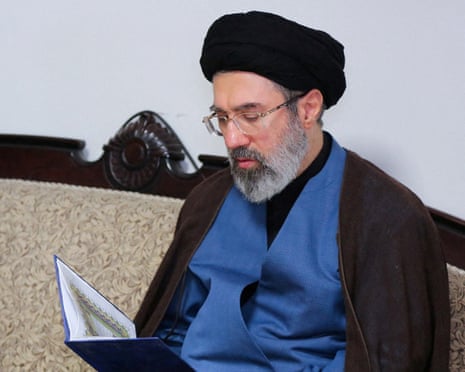
The choice of Mojtaba Khamenei would be a clear indication that senior figures in Iran's leadership are unwilling to pursue a more moderate path. As the country navigates the fallout from the ongoing crisis, this decision would send a strong message about Iran's unwavering commitment to its revolutionary principles and defiance of Western influence.
Analysts believe that Mojtaba Khamenei's ascension would consolidate power within the Khamenei family and further strengthen the influence of the Islamic Revolutionary Guard Corps (IRGC), which has long been a bulwark of the regime. This could have significant implications for Iran's domestic and foreign policy, as the IRGC is known for its hardline stance and support for proxy groups throughout the region.
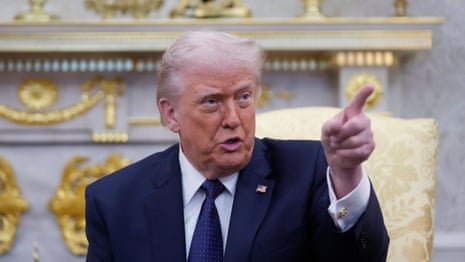
The potential elevation of Mojtaba Khamenei comes at a critical juncture for Iran, as the country grapples with the aftermath of the recent conflict and faces mounting economic and political challenges. The choice of such a staunchly anti-Western candidate would signal that Iran's leadership is doubling down on its revolutionary ideology and is unlikely to pursue any significant changes in its regional and global posture.
This decision would also have far-reaching implications for the geopolitical landscape of the Middle East, as Iran's continued defiance of Western interests could further destabilize the region and escalate tensions with its neighbors and the international community.
As the world watches closely, the succession of Mojtaba Khamenei would be a defining moment for Iran, one that could shape the country's trajectory for years to come. The choice of such a hardline figure would signal Iran's unwavering commitment to its revolutionary principles and its determination to chart its own course, regardless of the consequences.
Source: The Guardian


